In the contemporary literary landscape, the intersection of autobiography, domestic memory, and mythmaking remains a fertile and deeply contested terrain. On October 19, 2026, The Missouri Review designated W. M. Lobko’s searing, retrospective poem "I Was Braver Than I Thought" as its Poem of the Week. This selection has reignited critical discussions regarding how contemporary American poetry negotiates the delicate boundaries between lived trauma and the imaginative structures built to survive it.
Lobko, a Pushcart Prize nominee and alumnus of the University of Oregon whose work has graced the pages of esteemed literary publications such as the Iowa Review, Kenyon Review, and Boston Review, presents a lyrical masterclass in "I Was Braver Than I Thought." The piece juxtaposes the claustrophobic, sensory anxieties of childhood with the vast, indifferent expanse of outer space and miniature world-building. Through a network of striking domestic and cosmic metaphors—ranging from the scent of Lysol and ozone to the haunting fracture of a family dynamic—Lobko explores the ways children construct internal fortresses against external turbulence.
This report provides a comprehensive analysis of Lobko’s featured poem, tracing its thematic resonance, evaluating the author’s stated intentions, examining the broader literary context of contemporary verse, and assessing the poem’s impact on current American poetry criticism.
Detailed Chronology of the Release and Literary Reception
The rollout of "I Was Braver Than I Thought" as The Missouri Review’s marquee poetic offering represents a calculated spotlight on mid-career poets who balance academic rigor with visceral emotional candor.
Early October 2026: Editorial boards finalize the curation schedule for the mid-autumn literary cycle, prioritizing works that engage with psychological excavation and tactile memory.
October 19, 2026:The Missouri Review officially publishes "I Was Braver Than I Thought" across its digital platforms, accompanying the verse with an exclusive author’s note and comprehensive biographical framing.
Late October 2026: The poem draws widespread critical attention across literary blogs, academic circles, and poetry review syndicates, praised particularly for its unflinching handling of familial discord through the lens of miniature modeling and speculative isolation.
Ongoing Outlook: The piece serves as a cornerstone for discussions surrounding Lobko’s evolving body of work, driving fresh traffic to his independent platform (wmlobko.com) and prompting re-evaluations of his previous contributions to journals such as Guernica and Washington Square.
Textual Analysis: "I Was Braver Than I Thought"
To fully appreciate the weight of Lobko’s latest offering, one must examine the text in its entirety, noting how its structural architecture mirrors the psychological defenses of the speaker:
I Was Braver Than I Thought
Cave of the crook of my arm.
Slick heat of my breath on the desk
Lysol would lift away. Only lately having learned
the ghosts that would wake me at 2 a.m.
could be facts, germs in the chrome of the toy green motorcycle
I dropped in the toilet, say,
or the high twist in my mother’s voice
when she learned her mother was dead. It was like
the high E-flat of a bough breaking,
song I was then decades from singing.
I was architect of an ice planet. I was a skull
hearing itself with every graham cracker’s
ashen reverberation. Sounds such as the walls
could keep back, at least that’s what I imagined,
model spaceships in grey plastic
richly smelling of ozone under the armature light I
aimed so relentlessly, faithful
nothing would melt or erupt. The one fight
we caught my mother & father having
so heinous the sitcom characters stopped to watch,
axe through the bucket klieg lights,
axe through the snowbound door, axe through
the umbilical. Still, I loved space,
how inaccessible it was, its famous silence, how
the ships crisscrossing it started out pristine
then of a sudden were blast-scored, emphysemic
buckets of bolts
prayer could hold together.
Microscopic Examinations of Metaphor
The poem opens with an intimacy that is immediately defensive: "Cave of the crook of my arm." The body becomes a subterranean shelter, a primal retreat from a world rendered sterile and frightening by the chemical sharpness of "Lysol." Lobko quickly establishes the transition from abstract childhood terrors to hyper-specific, tactile realizations. The ghosts of the 2 a.m. awakening are no longer sheeted phantoms, but "facts, germs in the chrome of the toy green motorcycle / I dropped in the toilet."
This pivot from the domestic mundane to existential dread deepens with the auditory memory of the speaker’s mother learning of her own mother’s death: "the high twist in my mother’s voice… / the high E-flat of a bough breaking, / song I was then decades from singing." Here, grief is registered not through direct emotional naming, but through acoustic physics—an organic snap that foreshadows the structural fractures of the speaker’s own household.
As the poem progresses, the speaker constructs an alternate reality: "I was architect of an ice planet. I was a skull / hearing itself with every graham cracker’s / ashen reverberation." The psychological weight of the environment turns internal and acoustic. Every mundane action—cheating silence with a snack—echoes with the dust of anxiety. Yet, salvation is sought in miniature recreation: "model spaceships in grey plastic / richly smelling of ozone under the armature light I / aimed so relentlessly, faithful / nothing would melt or erupt."
The climax of the poem shatters this controlled laboratory of youth. The parental confrontation is described with surreal, cinematic violence: "The one fight / we caught my mother & father having / so heinous the sitcom characters stopped to watch, / axe through the bucket klieg lights, / axe through the snowbound door, axe through / the umbilical." The "umbilical" severed here is both biological and psychological, cutting the child loose from the safety of family mythologies.
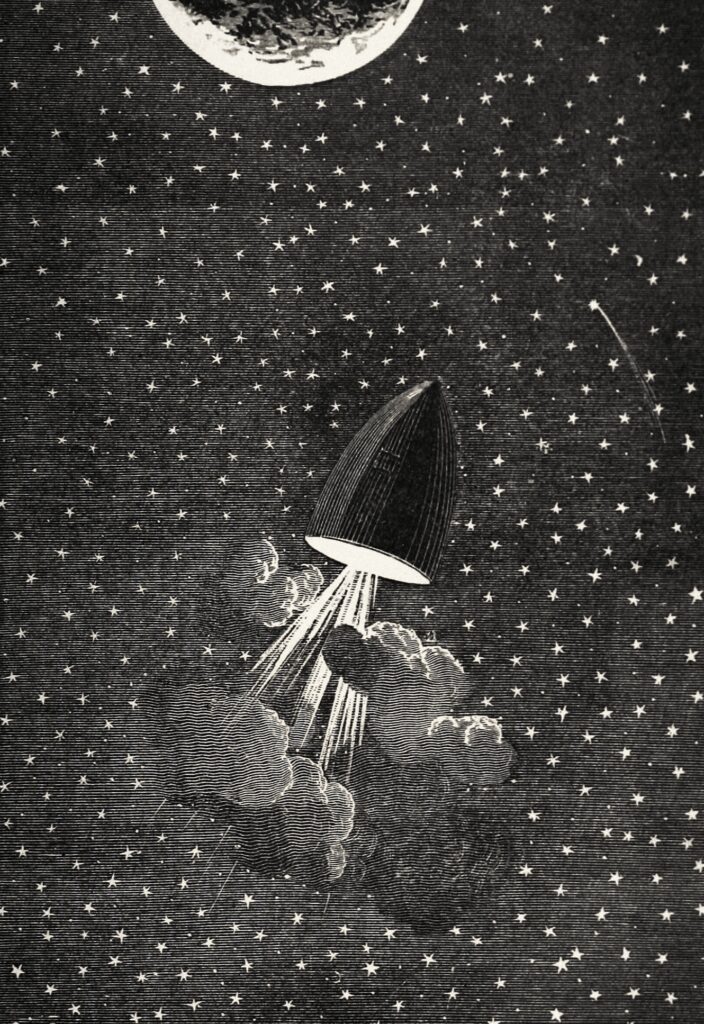
Despite this devastation, the poem concludes on a note of defiant, cosmic reverence: "Still, I loved space, / how inaccessible it was, its famous silence, how / the ships crisscrossing it started out pristine / then of a sudden were blast-scored, emphysemic / buckets of bolts / prayer could hold together." The damaged spacecrafts become stand-ins for human resilience—imperfect, battle-scarred vessels patched together by sheer hope and quiet supplication.
Supporting Context & Literary Metrics
To contextualize the release of "I Was Braver Than I Thought," it is valuable to examine the broader publishing ecosystem of The Missouri Review and Lobko’s professional trajectory within contemporary American letters.
Table 1: Publication and Career Metrics for W. M. Lobko
Metric Category
Detail / Institutional Reference
Primary Recognition
The Missouri Review – Poem of the Week (October 19, 2026)
Major Literary Journals
Iowa Review, Kenyon Review, Washington Square, Boston Review, Guernica
Prizes & Honors
Pushcart Prize Nominee; Semi-finalist for the 92Y/Boston Review Discovery Prize
Educational Background
University of Oregon
Current Professional Base
Teaching North of New York City
Digital Presence
wmlobko.com
Lobko’s background reflects a classic trajectory of the American academic poet, shaped by rigorous workshop environments in the Pacific Northwest and seasoned by rigorous publication cycles in top-tier literary quarterlies. His work frequently navigates the friction between urban/suburban domesticity and the imaginative escapes pursued by children navigating emotional turbulence.
Official Statements and Authorial Insights
In an illuminating author’s note accompanying the publication, Lobko reflected on the shifting perspective inherent in the creative process:
"At first, I thought this poem was about my family, my parents, me—but I’ve come to see it more as a devotional of sorts to the stories & myths that help us make meaning, whatever they might happen to be."
This commentary shifts the critical reading of "I Was Braver Than I Thought" away from strict confessionalism. While the imagery draws directly from the raw material of childhood trauma—domestic disputes, sensory anxieties, and the grief of older generations—Lobko insists that the true subject is the mythology of survival. The model spaceships, the ice planets, and the ozone lamps are not merely props from a specific childhood bedroom; they are universal archetypes of the creative mechanisms human beings deploy to bridge the chasms left by fractured environments.
Literary critics reviewing the piece have noted how this framing elevates the poem from a narrow piece of trauma narrative into an expansive meditation on coping mechanisms. By framing the poem as a "devotional," Lobko sanctifies the coping strategies of the imaginative child, treating plastic toys and desk lamps with the reverence usually reserved for religious artifacts.
Comparative Analysis: The Autumn 2026 Poetry Circuit
The Missouri Review’s editorial choice of Lobko’s poem arrives alongside a diverse array of contemporary poetic voices featured throughout October 2026. Reviewing these concurrent selections provides a richer understanding of the editorial current shaping the publication:
Catie Rosemurgy ("Diorama 1871 (while a pie burns, the schoolteacher’s wife keeps going)") – Published on October 12, 2026, Rosemurgy’s work shares Lobko’s fascination with miniature worlds, dioramas, and the domestic persistence required in the face of underlying catastrophe.
Trenna Sharpe ("Hello, Bruce Springsteen") – Published on October 5, 2026, Sharpe’s piece leans into cultural iconography and regional Americana, offering a conversational yet deeply resonant exploration of longing and identity.
Compared to these pieces, Lobko’s "I Was Braver Than I Thought" stands out for its compressed sonic intensity and its visceral handling of childhood claustrophobia. While Sharpe engages cultural icons and Rosemurgy explores historical-domestic dioramas, Lobko turns the lens inward, examining the microscopic geography of a child’s desk under an armature lamp.
Future Outlook and Critical Implications
As "I Was Braver Than I Thought" continues to circulate through academic syllabi, online poetry forums, and literary reviews, its long-term impact on Lobko’s career is expected to be significant.
Curricular Adoption: Given its accessibility combined with dense metaphoric layering, the poem is prime for inclusion in undergraduate and graduate creative writing workshops focusing on narrative voice and metaphor construction.
Upcoming Collections: The mature thematic resonance of Lobko’s recent publications suggests that a new full-length poetry collection may be on the horizon, expanding on themes of memory, domestic archaeology, and imaginative defense mechanisms.
Critical Re-evaluation: Scholars of contemporary American verse will likely use Lobko’s work to further investigate the evolution of the "domestic-suburban Gothic" subgenre, where the ordinary bedroom becomes a site of profound psychological reckoning.
Conclusion
W. M. Lobko’s "I Was Braver Than I Thought" is a triumph of contemporary lyricism, capturing the precise moment a child realizes that the monsters under the bed are real, yet discovering that the imagination possesses the architecture required to withstand them. By anchoring expansive cosmic metaphors in the tactile, everyday debris of childhood—Lysol, graham crackers, grey plastic spaceships, and the sharp snap of domestic conflict—Lobko delivers a poem that is as intellectually rigorous as it is emotionally devastating.
Through its thoughtful curation as The Missouri Review’s Poem of the Week, this work cements Lobko’s standing as a vital voice in modern American poetry, reminding readers that the myths we construct in our darkest hours are often the very things that keep us whole.



Comments
Facebook App ID not configured. Please add it in the Customizer.