
Executive Overview
In the contemporary literary landscape, few accolades carry the quiet, peer-validated weight of The Missouri Review’s "Poem of the Week" feature. On October 19, 2026, the publication spotlighted "I Was Braver Than I Thought," a striking and deeply evocative work by acclaimed poet W. M. Lobko. Known for his appearances in prestigious literary organs such as the Iowa Review, Kenyon Review, Boston Review, and Guernica, Lobko brings a rigorous, multifaceted aesthetic to this latest offering.
"I Was Braver Than I Thought" operates at the complex intersection of childhood domestic trauma, imaginative escapism, and the sensory architecture of memory. The poem invites readers into a deeply private chamber of the psyche—one furnished with the grey plastic of model spaceships, the sharp, sterile scent of Lysol, and the haunting reverberations of familial fractures. Far from a simple exercise in nostalgic autobiography, Lobko’s featured work transcends its domestic origins. As the author notes, the poem ultimately functions as a "devotional of sorts to the stories & myths that help us make meaning."
This report provides a comprehensive examination of the poetic text, contextualizes Lobko’s broader literary footprint, analyzes the structural and thematic layers of "I Was Braver Than I Thought," and explores the reception and trajectory of contemporary poetry within premier literary journals.
Read Also
Detailed Chronology and Literary Context
The journey of "I Was Braver Than I Thought" to its publication as The Missouri Review’s Poem of the Week on October 2026 represents the ongoing evolution of W. M. Lobko’s career.
The Path of a Literary Voice
Lobko’s trajectory has been marked by steady recognition within the upper echelons of American letters. Having studied at the University of Oregon—an institution renowned for its strong lineage of poetic craftsmanship—Lobko established early credentials through rigorous publishing in top-tier literary journals. His work has consistently drawn notice from panels and editors alike, highlighted by a Pushcart Prize nomination and a semi-finalist standing for the prestigious 92Y/Boston Review Discovery Prize.
Living and teaching just north of New York City, Lobko operates within a rich regional network of artists and academics. Yet, his poetry often steps backward in time, plumbing the psychological depths of youth, suburban isolation, and the mechanisms by which children construct protective barriers against adult chaos.
The October 2026 Feature
When The Missouri Review selected "I Was Braver Than I Thought" for its weekly marquee on October 19, 2026, it placed Lobko’s work alongside a rich autumn slate of contemporary verse—including notable pieces by Catie Rosemurgy and Trenna Sharpe. The weekly feature serves as a critical bridge between established print-quarterly subscribers and digital poetry audiences, offering deep dives into single texts accompanied by authorial notes and biographical framing.
Deconstructing the Text: "I Was Braver Than I Thought"
I Was Braver Than I Thought
Cave of the crook of my arm.
Slick heat of my breath on the desk
Lysol would lift away. Only lately having learned
the ghosts that would wake me at 2 a.m.
could be facts, germs in the chrome of the toy green motorcycle
I dropped in the toilet, say,
or the high twist in my mother’s voice
when she learned her mother was dead. It was like
the high E-flat of a bough breaking,
song I was then decades from singing.
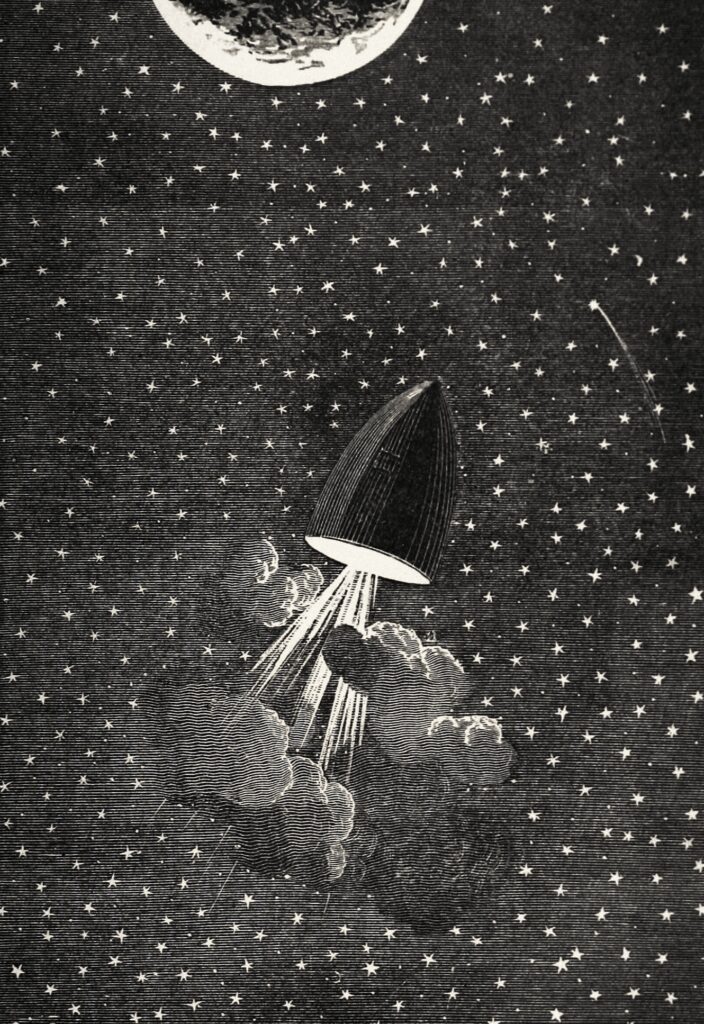
I was architect of an ice planet. I was a skull
hearing itself with every graham cracker’s
ashen reverberation. Sounds such as the walls
could keep back, at least that’s what I imagined,
model spaceships in grey plastic
richly smelling of ozone under the armature light I
aimed so relentlessly, faithful
nothing would melt or erupt. The one fight
we caught my mother & father having
so heinous the sitcom characters stopped to watch,
axe through the bucket klieg lights,
axe through the snowbound door, axe through
the umbilical. Still, I loved space,
how inaccessible it was, its famous silence, how
the ships crisscrossing it started out pristine
then of a sudden were blast-scored, emphysemic
buckets of bolts
prayer could hold together.
The Sensory Landscape of Childhood Anxiety
The poem opens with an immediate physical contraction: "Cave of the crook of my arm." This defensive posture sets the tone for a speaker navigating a world saturated with microscopic and macroscopic threats. The transition from the physical containment of the body to the "slick heat of my breath on the desk / Lysol would lift away" establishes an atmosphere of clinical sterility masking underlying dread.
Lobko deftly redefines the nature of nocturnal terror. The ghosts that wake a child at 2 a.m. are not supernatural phantoms, but harsh realities: the microscopic "germs in the chrome of the toy green motorcycle / I dropped in the toilet," or the chilling emotional frequency of an adult grief. The simile comparing a mother’s voice upon learning of her own mother’s death to "the high E-flat of a bough breaking" is a masterclass in acoustic precision. It captures the sudden, structural failure of familial support systems, a sound the speaker recognizes as a "song I was then decades from singing."
Architectural Escapism and Material Metaphors
Faced with domestic instability, the speaker constructs an alternate reality: "I was architect of an ice planet." The internal life becomes hyper-sensory and insular. Every bite of a graham cracker produces an "ashen reverberation" within the skull—a sound that emphasizes fragility, dryness, and decay.
Against this internal quiet, the speaker deploys defensive engineering: model spaceships in grey plastic. Lobko’s diction shines here through tactile and olfactory imagery ("richly smelling of ozone under the armature light"). The desk lamp is wielded like a scientific instrument, monitored with a desperate, magical faith that careful illumination will prevent thermal or emotional catastrophe ("faithful / nothing would melt or erupt").
The Domestic Cataclysm and Cosmic Sanctuary
The poem’s turning point arrives with the depiction of a parental altercation so severe it breaches the boundary between reality and media representation:

The one fight / we caught my mother & father having / so heinous the sitcom characters stopped to watch,
The violence is rendered through brutal, surreal imagery: "axe through the bucket klieg lights, / axe through the snowbound door, axe through / the umbilical." The severing of the umbilical cord here symbolizes the abrupt termination of childhood innocence and security.
Yet, rather than retreating into total despair, the speaker turns toward the cosmos. The fascination with space is rooted in its absolute detachment from earthly trauma: its "famous silence" and inaccessibility. The spaceships that traverse this void serve as proxies for human resilience. They start pristine, only to become "blast-scored, emphysemic / buckets of bolts / prayer could hold together." In these final lines, the poem elevates battered machinery—and by extension, battered human lives—into sacred vessels sustained by pure endurance.
Supporting Context and Metrics: The Ecosystem of Literary Publishing
The publication of "I Was Braver Than I Thought" highlights the robust, albeit specialized, ecosystem of American literary quarterlies. Understanding the significance of Lobko’s feature requires examining the metrics and platforms that sustain contemporary poetry.
The Role of Major Literary Journals
Journals like The Missouri Review, The Kenyon Review, and The Iowa Review operate as cultural gatekeepers and incubators for literary innovation. Founded decades ago as university-backed print entities, they have successfully transitioned into hybrid digital-print formats, expanding their reach to global audiences.
- Audience Reach: Weekly digital features, such as The Missouri Review’s Poem of the Week, routinely draw tens of thousands of unique visitors, introducing print-curated poets to wider online demographics.
- Career Catalysts: Appearances in these journals form the foundational credentials required for academic appointments, book publication contracts with university presses or independent literary houses, and major grant awards (such as NEA fellowships and Guggenheim grants).
- The Pushcart Ecosystem: Lobko’s prior nomination for a Pushcart Prize underscores the interconnected nature of these journals, where cross-institutional recognition validates a writer’s long-term artistic output.
The Aesthetic Spectrum of 2026 Poetry
Contemporary poetry in mid-decade exhibits a strong leaning toward narrative lyricism that bridges personal trauma with objective correlatives from science, technology, and material culture. Lobko’s integration of grey plastic spaceships, ozone, and domestic hygiene products places him squarely within a tradition that refuses to separate high emotional stakes from the mundane objects of mid-to-late-century childhood.
Official Statements and Authorial Insights
In his accompanying Author’s Note, W. M. Lobko provided vital perspective on the hermeneutics of his own creation:
"At first, I thought this poem was about my family, my parents, me—but I’ve come to see it more as a devotional of sorts to the stories & myths that help us make meaning, whatever they might happen to be."
This shift in perspective—moving from autobiographical confession to a broader meditation on myth-making—reframes how "I Was Braver Than I Thought" should be read. The model spaceships, the ice planets, and the invocations of science-fiction imagery are not merely historical reenactments of a childhood in New York or Oregon. Instead, they are archetypal structures. They represent the universal human impulse to construct narrative frameworks that keep chaos at bay when foundational bonds fracture.
Future Outlook: The Trajectory of W. M. Lobko’s Work
As W. M. Lobko continues to teach north of New York City and contribute to the nation’s premier literary journals, the reception of "I Was Braver Than I Thought" signals a writer at the height of his lyrical and psychological powers.
The poem’s success in The Missouri Review points toward several developing trends in contemporary verse:
- The Integration of Material Culture: Poets are increasingly utilizing the specific textures of late 20th-century domesticity (toys, household appliances, media artifacts) as emotional anchors for complex psychological states.
- The Re-examination of Domestic Trauma: Rather than approaching family dysfunction through flat realism, contemporary writers are leveraging speculative and cosmic imagery to capture the disproportionate scale of childhood fear.
- The Expansion of Digital Poetry Platforms: Weekly curation models by established reviews ensure that challenging, sophisticated long-sentence lyric poetry continues to find vibrant, engaged audiences online.
"I Was Braver Than I Thought" stands as a testament to the enduring power of poetry to transmute domestic wreckage into celestial order. In Lobko’s hands, the battered buckets of bolts we use to navigate our lives are redeemed not by perfection, but by the sheer, stubborn act of prayer and imagination.

Comments
Facebook App ID not configured. Please add it in the Customizer.