
Executive Overview
In contemporary sequential art, a distinct movement is redefining how personal memory, family history, and psychological trauma are preserved on the page. Moving away from traditional clean-ink line art, a growing cohort of graphic novelists and memoirists are turning to tactile mixed-media—incorporating scanned artifacts, archival correspondence, scorched paper, tracing vellum, and unpolished sketchbook drawings.
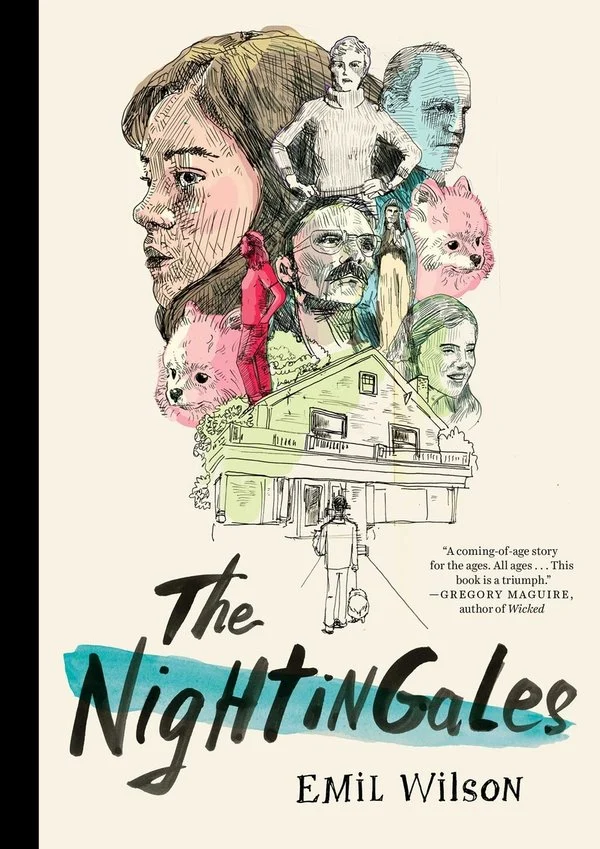
This methodological shift is exemplified by the release of The Nightingales, a debut graphic novel set in 1985 that reimagines a pivotal moment in the author’s family history: the period when her father invited an evicted, terminally ill stranger and his two dogs to move into their family home. To capture the fragmented, lingering nature of this event, the author adopted the visual vocabulary of an artist’s sketchbook—a space where notes, collages, and raw drawings coexist to process complex emotional realities.
Rather than treating tactile techniques as mere ornamentation, these creators utilize physical materials—such as vintage photographs, paint swatches, and embroidered cloth—as fundamental structural components of their storytelling. This report investigates the mechanics, historical trajectory, and critical impact of mixed-media visual memoirs, examining how physical ephemera transforms the page into an active site of forensic memory and narrative witness.
Read Also
Detailed Chronology: The Evolution of Tactile Narrative Techniques
The integration of physical objects, archival documents, and raw sketchbooks into sequential art reflects a long-term evolution in visual storytelling. Below is a chronological synthesis of key developments in tactile graphic literature, spanning historical periods and contemporary releases.
+-----------------------------------------------------------------------------------+
| CHRONOLOGY OF TACTILE & MIXED-MEDIA GRAPHIC LITERATURE                            |
+-----------------------------------------------------------------------------------+
| 16th Century Context (Represented in modern literature)                            |
|  * Historical focus of Gareth Brookes' "The Dancing Plague"                       |
|  * Material techniques: Scorched paper, embroidery, textured canvas                |
+-----------------------------------------------------------------------------------+
| 1985: Domestic Milieu of "The Nightingales"                                       |
|  * Narrative setting: Author's father takes in a dying, evicted stranger & 2 dogs |
|  * Aesthetics: Fragmented sketchbook notes, raw lines, visual memory gathering    |
+-----------------------------------------------------------------------------------+
| Early 2000s: The Personal Archive as Grief Record                                 |
|  * Publication of Anders Nilsen's "Don't Go Where I Can't Follow"                 |
|  * Techniques: Bedside drawings, postcards, photographs, original letters          |
+-----------------------------------------------------------------------------------+
| 2018: Archival Investigation of WWII Complicity                                   |
|  * Release of Nora Krug's "Belonging"                                             |
|  * Methodologies: Collage, primary historical documents, visual cataloging        |
+-----------------------------------------------------------------------------------+
| Contemporary Wave: Identity, Memory, and Materiality                              |
|  * Frank Santoro's "Pittsburgh" (Tracing vellum, felt-tip markers, paper layers)  |
|  * Lizzy Stewart's "Alison" (Paint swatches, faux-photographs, studio aesthetics) |
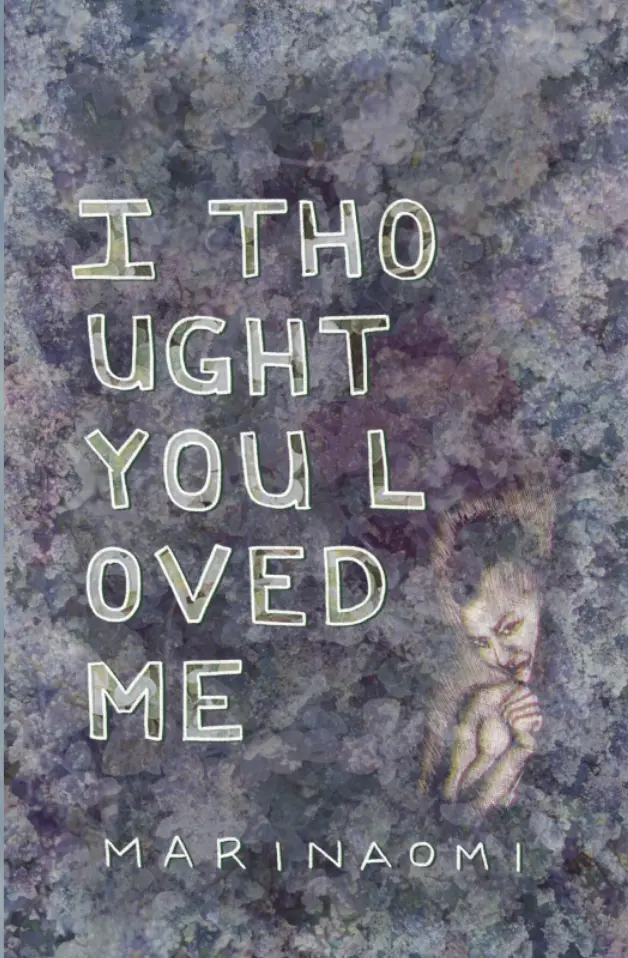
|  * MariNaomi's "I Thought You Loved Me" (Paper trails of long-lost friendships)   |
|  * Disa Wallander's "Becoming Horses" (Superimposed drawings over photos)         |
+-----------------------------------------------------------------------------------+
From Historical Record to Personal Archive
The trajectory of mixed-media comics demonstrates a shift from standardized illustration toward material evidentiary storytelling:
- 16th-Century Historical Retrospectives: Modern works such as Gareth Brookes’ The Dancing Plague examine historical events (specifically the 1518 choreomania in Strasbourg) by utilizing physical mediums native to or evocative of the period, such as scorched paper and hand embroidery.
- Post-War Family Investigations: Nora Krug’s Belonging marked a watershed moment in graphic non-fiction by applying forensic collage to WWII family history, forcing readers to scrutinize primary historical documents alongside rendered art.
- Mid-1980s Domestic Histories: The narrative space of 1985 featured in The Nightingales reflects a transition toward personal micro-histories, where small domestic acts of radical empathy are documented through informal visual notes and layered ephemera.
- Modern Psychological & Abstract Hybridity: Contemporary creators such as Disa Wallander (Becoming Horses) and Lizzy Stewart (Alison) push the boundaries further by using fine-art techniques, studio waste, and surreal photographic overlays to explore internal mental landscapes.
Supporting Context & Technical Mechanics
To understand why tactile elements are increasingly utilized in visual memoirs, one must examine the narrative function of material ephemera. In sequential art, a drawn line represents an interpretation of reality, whereas a scanned physical object—a bus ticket, a hand-written postcard, or a piece of tape—serves as direct artifactual evidence.
Material Mechanics in Graphic Storytelling
| Material / Technique | Narrative Function | Exemplar Work |
|---|---|---|
| Tracing Vellum & Translucency | Allows physical layering of different eras, creating literal visual transparency between past and present. | Pittsburgh by Frank Santoro |
| Primary Archival Collage | Juxtaposes personal family mythologies against cold historical evidence (photographs, government papers). | Belonging by Nora Krug |
| Scorched Paper & Embroidery | Imparts physical distress and somatic pain directly onto the paper, mirroring trauma or historical hysteria. | The Dancing Plague by Gareth Brookes |
| Ephemera (Postcards/Notes) | Captures the raw, unedited immediacy of relationships and grief before temporal distance sanitizes them. | Don’t Go Where I Can’t Follow by Anders Nilsen |
| Paint Swatches & Taped Sketches | Recreates an artist’s studio wall, representing identity formation as a gradual, cumulative process. | Alison by Lizzy Stewart |
| Photographic Overlay | Blurs the line between abstract mental states and tangible reality by placing line art over real-world photos. | Becoming Horses by Disa Wallander |
                    [ Physical Materials in Sequential Art ]
                                       |
    +----------------------------------+----------------------------------+
    |                                  |                                  |
[Evidentiary Artifacts]     [Structural Layering]               [Somatic Texture]
 - Primary letters           - Tracing vellum                    - Scorched edges
 - Vintage photos            - Paint swatches                    - Hand embroidery
 - Postcards & notes         - Taped sketches                    - Raw pencil sketches
    |                                  |                                  |
    +----------------------------------+----------------------------------+
                                       |
                   [ Enhanced Reader Engagement & Tactility ]
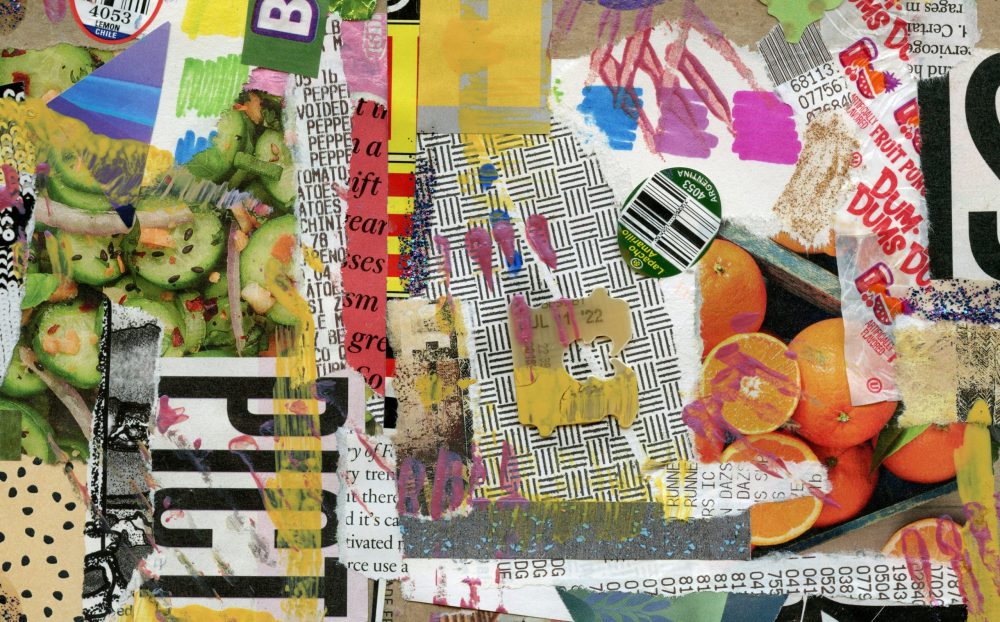
Publishing houses like Drawn & Quarterly, Scribner, and independent presses such as Fieldmouse Press have increasingly invested in high-fidelity color printing and specialty paper stocks to preserve the dimensionality of these works. Scanning at high resolutions allows fine details—such as the texture of construction paper, the sheen of adhesive tape, or the raised weave of thread—to translate onto the commercial printed page.
Official Statements & Critical Analysis of Key Exemplars
The power of tactile storytelling lies in its ability to bridge the gap between authorial intent and reader experience. Below is a detailed critical analysis of the primary works that define this movement, drawing on visual analysis and authorial insights.
1. Don’t Go Where I Can’t Follow by Anders Nilsen
When documenting the illness and death of his fiancée, Cheryl Weaver, Anders Nilsen bypassed conventional narrative structure in favor of a gathered archive.
"What’s remarkable is how inseparable the visual language is from the grief itself. The pages don’t feel designed so much as gathered, as though Nilsen is trying to hold onto every fragment before it disappears," notes the author of The Nightingales.
By combining bedside drawings, personal letters, original photographs, and hospital notes, Nilsen transforms grief from an abstract concept into a physical accumulation of evidence. The reader acts as a witness to an unvarnished record of loss.
2. Belonging by Nora Krug
In her investigation into her family’s potential complicity during Nazi Germany, Nora Krug utilizes collage as a tool for moral and historical auditing.
"The pages rarely feel chaotic. Their construction suggests someone determined to separate fact from family mythology. Every page feels considered, every discovery feels earned," the analysis reveals.
Krug’s deliberate arrangement of flea-market photographs, wartime catalogs, and handwritten annotations forces the audience to participate in her forensic investigation, weighing historical documentation against sanitized family memories.
+--------------------------------------------------------------------------+
| METHODOLOGY COMPARISON: KRUG VS. MARINAOMI                                |
+--------------------------------------------------------------------------+
| NORA KRUG ("Belonging")          | MARINAOMI ("I Thought You Loved Me")  |
+----------------------------------+---------------------------------------+
| Objective: Historical Audit      | Objective: Interrogation of Memory    |
| Focus: Public & Family Archives  | Focus: Personal Notes & Keepsakes     |
| Outcome: Uncovering Hidden Truths| Outcome: Exposing Personal Blind Spots|
+--------------------------------------------------------------------------+
3. I Thought You Loved Me by MariNaomi
Published by Fieldmouse Press, MariNaomi’s graphic memoir explores the sudden, unexplained collapse of a 14-year friendship. Re-examining decades of saved letters, notes, and ephemera, MariNaomi uses collage to demonstrate that physical artifacts do not always deliver clarity. Instead, the paper trail reveals the author’s own blind spots, illustrating how two people can live through the same relationship and emerge with contradictory truths.
4. Pittsburgh by Frank Santoro
Frank Santoro reconstructs his parents’ youth and the post-industrial landscape of their hometown through construction paper, felt-tip markers, and tracing vellum. Santoro’s overlaying of translucent vellum allows the reader to physically look through one visual frame to see the underlying past, reinforcing the visual narrative that history remains constantly present beneath contemporary surfaces.
5. Alison by Lizzy Stewart
Lizzy Stewart uses paint swatches, handwritten notes, and faux-photographic drawings to depict a woman’s transformation from a young wife in rural England to an established artist. The visual assembly mimics an artist’s studio wall, proposing that personal identity is constructed piece by piece through creative practice and lived experience.
6. The Dancing Plague by Gareth Brookes
Gareth Brookes’ account of the 1518 mass hysteria in Strasbourg employs unusual artistic mediums: burnt paper, embroidery, and heavily textured canvas. Brookes uses these techniques to reflect the psychological and physical stress experienced by his protagonist. The physically altered paper serves as a metaphor for the social decay and religious anxiety consuming the town.
[ Physical Scars on Paper ] =======> [ Somatic & Psychological Trauma ]
         (Burnt edges)                    (Religious Hysteria)
      (Stitched canvas)                   (Community Collapse)
7. Becoming Horses by Disa Wallander
Disa Wallander takes an abstract approach to graphic non-fiction by superimposing cartoon figures over blurred photographs and textured collage surfaces. Bypassing traditional paneling, Wallander uses photographic backgrounds to ground abstract emotional states, showing how internal psychological trauma interacts with external reality.
Future Outlook
The reliance on sketchbook aesthetics and tactile collage in graphic memoirs signals a long-term shift in visual literature. As digital media consumption becomes increasingly normalized, the physical graphic novel is evolving into a distinct art object.
Key Trends to Watch:
- Hybrid Archival Publishing: Increased production of memoirs that function simultaneously as narrative texts and printed archival objects, utilizing specialized binding, translucent inserts, and varied paper stocks.
- Interdisciplinary Mediums: Further integration of fine art practices—such as textile manipulation, printmaking, and found-object assembly—into sequential comic layouts.
- Expanded Historical Micro-Histories: A growing emphasis on using personal family archives to challenge broader historical narratives, mirroring the approach taken in The Nightingales and Belonging.
By demonstrating that physical materials—scanned notes, burnt edges, tracing vellum, and personal ephemera—can carry narrative weight, these creators are expanding the possibilities of sequential art. The page is no longer merely a surface for illustration; it serves as a space where memory is actively reconstructed and preserved.




Comments
Facebook App ID not configured. Please add it in the Customizer.