
Executive Overview
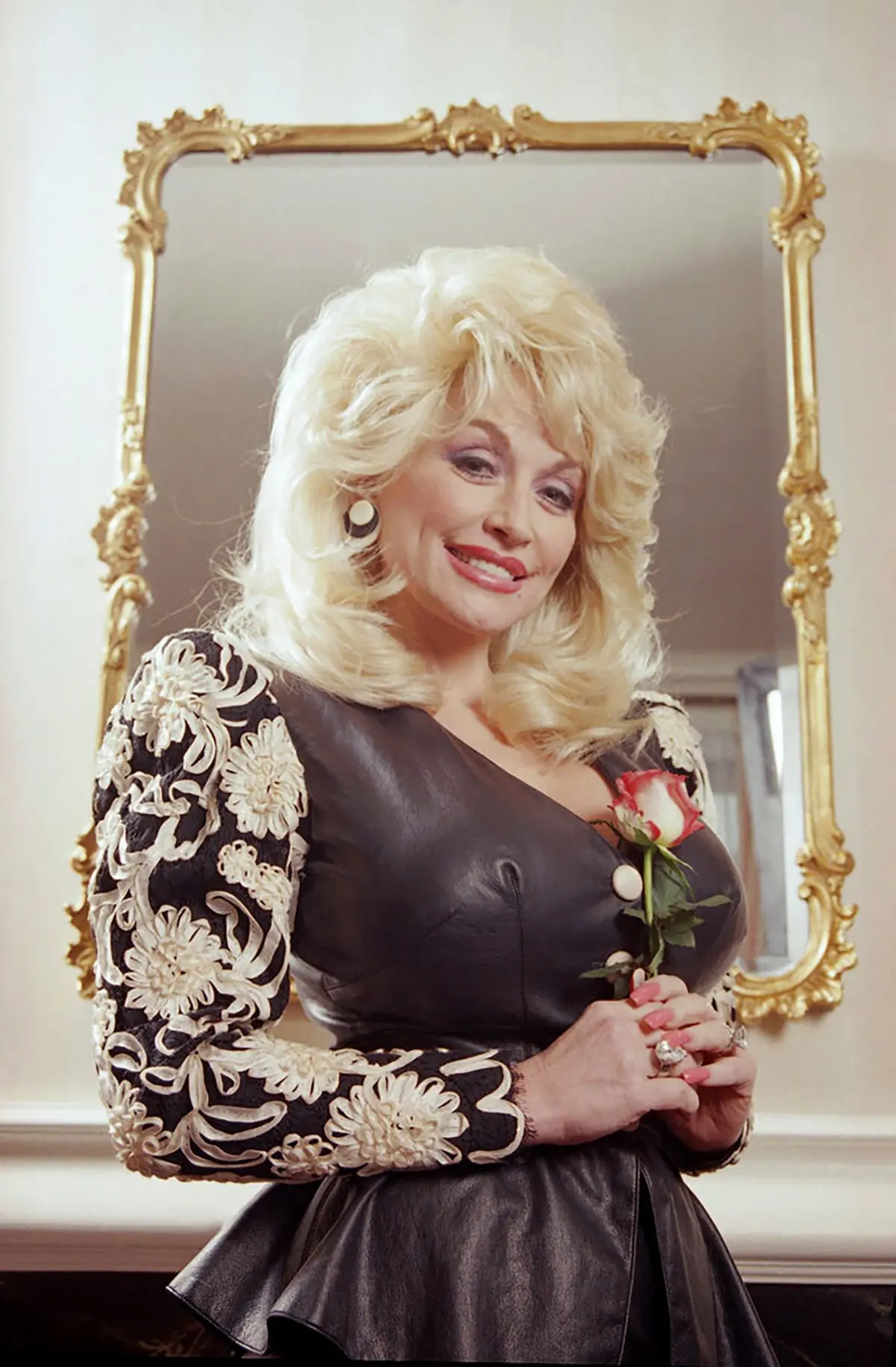
The passing of Dolly Parton marks the end of an extraordinary epoch in American cultural history. A singular figure who transcended the boundaries of country music to become a global icon, Parton constructed a legacy built upon extraordinary artistic talent, shrewd business acumen, unmatched philanthropy, and an deeply personal, unconventional spiritual faith.
Emerging from severe poverty in the Great Smoky Mountains of East Tennessee, Parton transformed her humble origins into a multi-generational cultural empire. She authored over 3,000 songs—including universally recognized masterworks such as "Jolene" and "I Will Always Love You"—sold tens of millions of records, and built an economic powerhouse in her home region through Dollywood and associated enterprises. Beyond her commercial achievements, Parton’s broader impact was defined by a profound humanitarian drive, most visibly manifested through her global childhood literacy initiative, the Imagination Library, extensive disaster relief efforts, and pivotal financial contributions to medical research.
What fundamentally distinguished Parton within the modern American landscape was her role as a universal unifier. In an increasingly polarized society, she retained a uniquely broad appeal, transcending political, cultural, and religious divides. Anchored by a distinct "outlaw Christian" ethos—steeped in her Pentecostal upbringing yet radically non-judgmental and detached from institutional church structures—Parton navigated her public life with a rare combination of self-aware glamour, profound humility, and action-oriented faith.
Read Also
Detailed Chronology
+-----------------------------------------------------------------------------------+
|                            KEY LIFELINE MILESTONES                                |
+-----------------------------------------------------------------------------------+
| 1946        | Born in Locust Ridge, Sevier County, Tennessee.                     |
| 1950s–1960s | Early musical performances in local Pentecostal churches & radio.   |
| 1967        | Breakthrough partnership with Porter Wagoner; signs with RCA.        |
| 1971        | Releases "Coat of Many Colors," establishing core narrative style.  |
| 1973        | Writes and releases both "Jolene" and "I Will Always Love You."    |
| 1980        | Stars in "9 to 5"; crossover success reaches global heights.        |
| 1986        | Launches Dollywood in Pigeon Forge, becoming major regional employer. |
| 1989        | Releases *White Limozeen*, featuring the sacred hit "He's Alive."   |
| 1995        | Founds the Imagination Library in honor of her father's illiteracy. |
| 2016        | Establishes My People Fund following severe Great Smoky Mt. fires.  |
| 2020        | Donates $1 million to Vanderbilt University for COVID-19 vaccine.   |
+-----------------------------------------------------------------------------------+
Smoky Mountain Foundations & Gospel Roots (1940s–1950s)
Dolly Rebecca Parton was born in 1946 into a sharecropper’s cabin in Locust Ridge, a holler in Sevier County, East Tennessee. She was the fourth of twelve children born to Robert Lee Parton Sr., a subsistence farmer and construction worker, and Avie Lee Owens Parton.
The family’s material circumstances were stark. Raised in a one-room cabin without electricity or indoor plumbing, Parton’s earliest environment was defined by economic hardship, familial warmth, and rich oral and musical traditions. Her maternal grandfather, the Reverend Jacob Robert Owens (born 1899), was a Pentecostal preacher who communicated a plainspoken theology that deeply embedded itself in young Dolly’s consciousness. Rev. Owens was also an accomplished musician whose prized possession was a fiddle passed down through generations—a instrument legendary within the family for having belonged to an ancestor executed by Confederate forces shortly after the Civil War.
Parton’s initial performing stage was her grandfather’s church congregation. Dressed in hand-me-down shoes and clothes pieced together from fabric scraps—a reality famously chronicled in her signature song "Coat of Many Colors"—she absorbed the rhythmic cadence, vocal intensity, and emotional transparency of Appalachian mountain gospel.
Launch to Stardom & Songwriting Masterworks (1960s–1980s)
Immediately upon graduating from high school in 1964, Parton moved to Nashville. Her early years in the country music capital were marked by relentless pitching of her songwriting catalog. Her major breakthrough arrived in 1967 when country star Porter Wagoner invited her to join his syndicated television show and touring band as a permanent replacement for Norma Jean.
While the partnership with Wagoner established her as a major country music personality, Parton’s ambitions extended beyond the traditional duet framework. In the early 1970s, she asserted her artistic independence. During a remarkably fertile period in 1973, she wrote two of the most significant compositions in modern popular music back-to-back: "Jolene," a desperate, vulnerable plea anchored by an iconic minor-key guitar riff, and "I Will Always Love You," a dignified, poetic declaration of professional and personal separation written to mark her departure from Wagoner’s show.
By the late 1970s and early 1980s, Parton successfully orchestrated a crossover into mainstream pop and Hollywood cinema. Her starring role in the 1980 comedy 9 to 5, along with its chart-topping, Oscar-nominated title song—famous for utilizing her fingernails as a rhythmic percussive instrument to mirror the clatter of typewriters—solidified her status as an international superstar.
                  +-----------------------------------+
                  |  EVOLUTION OF ARTISTIC/FAITH PATH |
                  +-----------------------------------+
                                    |
          +-------------------------+-------------------------+
          |                                                   |
          v                                                   v
[ The Mountain Preacher's Bench ]                   [ The Universal Stage ]
  - Pentecostal Roots                                 - Crossover Pop Success
  - Appalachian Hymnody                              - Hollywood Stardom
  - Plainspoken Gospel                                - Global Philanthropy
          |                                                   |
          +-------------------------+-------------------------+
                                    |
                                    v
                       [ The "Outlaw Christian" ]
                         - Unconditional Acceptance
                         - Radical Generosity
                         - Private Daily Devotion
Business Empire & Faith-Driven Philanthropy (1980s–2000s)
Rather than distancing herself from her impoverished origins as her wealth grew, Parton re-invested directly into East Tennessee. In 1986, she partnered with Herschend Family Entertainment to redevelop a regional theme park in Pigeon Forge into "Dollywood." Operating in an economically vulnerable area where traditional industries were declining, the park rapidly became the premier economic engine for Sevier County.
During this era, Parton also institutionalized her philanthropic work. In 1995, inspired by her father’s inability to read or write, she established the Imagination Library. Initially designed as a local project to mail free, age-appropriate books monthly to children in Sevier County from birth until kindergarten, the initiative rapidly expanded globally.
Parallel to her commercial and civic growth, Parton maintained a consistent output of spiritually grounded music. Her 1989 album White Limozeen featured a soaring, dramatic rendition of Don Francisco’s "He’s Alive," a narrative track detailing the Apostle Peter’s perspective on the Resurrection, which became a staple of her live shows and showcased her vocal range and spiritual passion.
Late-Career Triumphs & Universal Iconography (2010s–2020s)
In the final decades of her life, Parton experienced a significant critical reappraisal. Younger generations and broader demographics embraced her not only as a music legend, but as a cultural hero.
Her commitment to direct, effective humanitarianism was repeatedly demonstrated in times of crisis. Following devastating wildfires in the Great Smoky Mountains in late 2016, her My People Fund provided direct monthly cash stipends to hundreds of displaced families, serving as a model for rapid disaster relief. In 2020, during the early stages of the global COVID-19 pandemic, Parton made a crucial $1 million donation to Vanderbilt University Medical Center, which directly supported the foundational research for the Moderna vaccine.
Musically, she continued to receive critical acclaim, winning multiple Grammy Awards for late-career gospel and Christian country collaborations, including "When I Get Where I’m Going" with Brad Paisley and "There Was Jesus" with Zach Williams.
Supporting Context & Metrics
Musical Legacy and Discography Analytics
Parton’s impact on the music industry is quantified by extraordinary longevity and immense output across multiple genres.
- Songwriting Catalog: Over 3,000 recorded or written songs across a six-decade career.
- Grammy Awards: 10 competitive Grammy Awards out of 50 nominations, alongside a Grammy Lifetime Achievement Award.
- Billboard Chart Record: One of the few artists to achieve Top 10 hits on the Billboard Country Charts across six consecutive decades (1960s through 2010s).
- Cross-Genre Impact: "I Will Always Love You" remains one of the best-selling singles in history, achieving multi-platinum status both via Parton’s original 1974/1982 releases and Whitney Houston’s iconic 1992 pop-R&B interpretation.
+-----------------------------------------------------------------------------------+
|                          SELECTED FAITH & GOSPEL TRACKS                           |
+-----------------------------------------------------------------------------------+
| SONG TITLE                  | ALBUM / RELEASE YEAR | THEMATIC FOCUS               |
+-----------------------------+----------------------+------------------------------+
| "The Seeker"                | *Dolly* (1975)       | Personal redemption & prayer |
| "God's Coloring Book"       | *Here You Come...* (1977)| Divine reflection in nature|
| "Calm on the Water"         | *Burlap & Satin* (1983)  | Biblical miracles & peace    |
| "He's Alive"                | *White Limozeen* (1989)  | Narrative Resurrection story |
| "When I Get Where I'm Going"| *Time Well Wasted* (2005)| Hope of eternity/heaven      |
| "There Was Jesus"           | *Rescue Story* (2019)| Unseen guidance through trial|
+-----------------------------+----------------------+------------------------------+
Parton’s lyrical genius was defined by her ability to weave complex thematic material into accessible, highly structured rhyme schemes. In pop anthems like "9 to 5," she effortlessly paired functional, everyday vocabulary ("kitchen" with "ambition"), while in deeply personal acoustic tracks like "My Tennessee Mountain Home," she captured rural landscapes using simple pairings ("plans" and "hands").
Economic & Philanthropic Impact Metrics
+-----------------------------------------------------------------------------------+
|                        MEASURABLE HUMANITARIAN IMPACT                             |
+-----------------------------------------------------------------------------------+
| INITIATIVE                   | MEASURED OUTPUT / SCOPE                            |
+------------------------------+----------------------------------------------------+
| Imagination Library          | Over 200 million free books distributed globally.  |
| Dollywood Theme Park Complex | Largest single employer in Sevier County, TN.      |
| My People Fund (2016 Fires)  | Direct cash payments ($1,000/mo) to ~900 families. |
| Vanderbilt Medical Research  | $1M donation aiding Moderna vaccine development.   |
| Employee Higher Ed Scheme    | 100% tuition coverage for all Dollywood workers.   |
+------------------------------+----------------------------------------------------+
Parton’s economic model was fundamentally redistributive. Through Dollywood, she created thousands of jobs in rural Appalachia. In 2022, her enterprise announced it would cover 100% of tuition, fees, and books for any Dollywood employee seeking higher education, removing economic barriers for low-income service industry workers.

Her Imagination Library grew from a small regional project into an international program spanning the United States, Canada, the United Kingdom, Australia, and the Republic of Ireland, distributing over two million books per month to preschool children.
Theological & Cultural Paradox: The "Outlaw Christian"
A central element of Parton’s enduring resonance was her nuanced, highly personal relationship with Christian faith. Raised under the strict, fire-and-brimstone preaching of her Pentecostal grandfather, she absorbed the Biblical text intimately while rejecting the judgmental rigidity often associated with institutional religion.
+-------------------------------------------------------------------------------+
|                       THE "OUTLAW CHRISTIAN" PARADOX                          |
+-------------------------------------------------------------------------------+
| EXTERNAL PERSONA                      | INTERNAL DEVOTIONAL LIFE              |
+---------------------------------------+---------------------------------------+
| - Flamboyant, hyper-feminine aesthetic| - Daily 3:00 AM prayer & meditation    |
| - Flirtatious, self-deprecating humor | - Monogamous marriage of 50+ years    |
| - Refusal to attend organized church  | - Dedicated chapel built at Dollywood |
| - Unconditional embrace of outcasts   | - Explicit artistic praise of Jesus   |
+---------------------------------------+---------------------------------------+
Parton openly identified with Biblical figures considered scandalous by polite society, occasionally referring to her bold aesthetic as that of a "Jezebel." Yet, her daily existence was marked by strict personal discipline. She maintained a quiet, lifelong marriage to Carl Thomas Dean, whom she married in 1966. She initiated every day at 3:00 AM with intensive prayer, scripture reading, and spiritual meditation.
When establishing Dollywood, she insisted that a small non-denominational chapel be built at the center of the park—dedicated to Dr. Robert F. Thomas, the missionary doctor-preacher who delivered her at birth in exchange for a bag of cornmeal.
Parton consistently refused to use her faith as a tool for political or social division. While frequently invoking Jesus in interviews and maintaining a vast catalog of sacred recordings, she repeatedly declined to judge others, famously asserting that she preferred to leave judgment to God while reserving her own energy for unconditional love and tangible aid.
Official Statements & Historical Quotes
Parton’s public commentary over six decades reflected a consistent personal philosophy grounded in spiritual humility, artistic purpose, and radical generosity.
In a landmark interview detailing her daily spiritual discipline, Parton explained her personal morning devotion routine to interviewer RuPaul Charles:
"Every single day, before I do anything, I wake up and I thank God for the night and ask Him to bless the day and to bring all the right things. And just to guide me, lead me. And I always pray that He’ll let me uplift mankind and glorify Him."
Addressing her approach to evangelism and her intentional decision to avoid pressuring others regarding religious dogma, Parton told a press gathering:
"I never tried to shove my religion down anybody’s throat. I just try to live it, and if people see something good in me, I hope they know it comes from a higher power."
Regarding her foundational motivation for launching the Imagination Library to honor her father, Robert Parton Sr., she noted:
"My daddy was the smartest man I ever knew, but he couldn’t read or write. It was a great shame for him. Starting the Imagination Library was my way of honoring him, so kids everywhere could learn to love books and know they could accomplish anything."
In reflection on her life’s calling and her ongoing dialogue with the divine, she frequently summarized her prayers into two fundamental questions:
"I ask God two things every day: ‘How can you use me?’ and ‘What can I do today?’"
Future Outlook
Institutional Legacy & Continuity
The structural footprint built by Dolly Parton is designed for permanent operation:
- The Dollywood Company: The theme park and resort ecosystem remains a vital economic pillar of Southern tourism, with long-term infrastructure and expansion plans assured through its corporate partnership with Herschend Family Entertainment.
- The Dollywood Foundation & Imagination Library: Supported by sustained endowments, public-private partnerships, and state-funded literacy grants across multiple nations, the Imagination Library possesses the institutional framework to continue mailing millions of books monthly in perpetuity.
- The Songwriting Archive: Her publishing catalog, carefully preserved and managed, will continue to generate significant intellectual property revenue, much of which is designated to fund her ongoing charitable foundations.
                                 +-----------------------------------+
                                 |  THE ENDURING PARADIGM OF DOLLY   |
                                 +-----------------------------------+
                                                   |
      +--------------------------------------------+--------------------------------------------+
      |                                            |                                            |
      v                                            v                                            v
[ INSTITUTIONAL STABILITY ]               [ CULTURAL UNIFICATION ]                    [ ARTISTIC BLUEPRINT ]
  - Imagination Library Trust               - Bridge over political divides             - Master-class storytelling
  - Dollywood Enterprise Model              - Universal radical empathy                 - Genre-crossing authenticity
  - Philanthropic Endowments                - Non-judgmental faith model                - Unapologetic self-possession
Cultural Aftershocks and Moral Archetype
Parton’s legacy leaves an indelible mark on how public figures—particularly those from humble, rural backgrounds—can navigate wealth, fame, and faith.
In an era characterized by cultural polarization, Parton demonstrated that it was possible to maintain unapologetic personal convictions while practicing radical inclusion. Her "outlaw Christian" ethos offers a template for an action-oriented, humanitarian faith that prioritizes tangible goodwill over doctrinal conflict.
As a songwriter, business leader, and philanthropist, Dolly Parton redefined the possibilities of American stardom. She proved that one could rise from an outhouse-poor cabin in the Smoky Mountains to the highest heights of global fame without losing connection to home, faith, or humanity—leaving behind a world visibly enriched by her music, her humor, and her boundless capacity for love.




Comments
Facebook App ID not configured. Please add it in the Customizer.