
Executive Overview
In contemporary sequential art and visual literature, a subtle paradigm shift has occurred: graphic novelists are increasingly moving beyond traditional ink-on-paper illustrations to adopt the raw, multi-dimensional visual language of the artist’s sketchbook. By integrating scanned physical artifacts, ephemera, real-world photography, textiles, and layered collage, these creators challenge the conventional boundaries of the medium. Rather than relying solely on rendered line art to tell a story, they utilize tactile materials to evoke the visceral experience of memory, grief, historical trauma, and personal identity.
Memory rarely functions as a pristine linear narrative; it manifests as a fragmented assemblage of fleeting images, random notes, weathered photographs, and physical keepsakes. The integration of three-dimensional elements into graphic memoirs creates a tangible depth that mirrors this psychological reality. This analytical report examines how creators—including those behind groundbreaking works like Anders Nilsen’s Don’t Go Where I Can’t Follow, Nora Krug’s Belonging, and the debut graphic novel The Nightingales—employ tactile, mixed-media techniques to transform static pages into immersive, living archives.
Detailed Chronology and Technical Case Studies
The evolution of tactile storytelling within sequential art represents a deliberate movement away from digital perfection toward raw, physical materiality. Below is an in-depth analysis of key works that have defined and expanded this aesthetic, demonstrating how medium and narrative converge to shape modern graphic literature.
Read Also
       TACTILE EVOLUTION IN SEQUENTIAL ART
 ┌───────────────────────────────────────────────┐
 │  Anders Nilsen (2006)                         │
 │  • Epistolary grief & raw ephemera            │
 └──────────────────────┬────────────────────────┘
                        │
 ┌──────────────────────▼────────────────────────┐
 │  Nora Krug (2018)                             │
 │  • Forensic historical collage & archive      │
 └──────────────────────┬────────────────────────┘
                        │
 ┌──────────────────────▼────────────────────────┐
 │  Frank Santoro (2019)                         │
 │  • Layered vellum & architectural memory      │
 └──────────────────────┬────────────────────────┘
                        │
 ┌──────────────────────▼────────────────────────┐
 │  Gareth Brookes (2021)                        │
 │  • Scorched paper & textile embroidery        │
 └──────────────────────┬────────────────────────┘
                        │
 ┌──────────────────────▼────────────────────────┐
 │  MariNaomi & Disa Wallander (2021–2023)       │
 │  • Memory disintegration & photo-surrealism   │
 └───────────────────────────────────────────────┘
1. Don’t Go Where I Can’t Follow by Anders Nilsen (2006)
- Visual Mechanics: Journal entries, hand-drawn postcards, hospital sketches, personal photographs, and typed letters.
- Narrative Function: Epistolary grief and immediate archiving.
When Anders Nilsen lost his fiancée, Cheryl Weaver, to terminal cancer, he documented their shared life and her final months through a raw collection of physical artifacts. The power of Don’t Go Where I Can’t Follow lies in its unpolished immediacy. The pages do not feel meticulously designed for publication; instead, they appear gathered—as if the author were desperately cataloging every physical trace of a loved one before time erased it. By preserving bedside drawings alongside handwritten notes and personal photographs, Nilsen turns the book into an act of solemn witness and enduring remembrance, where the material evidence of love and suffering is inseparable from the mourning process.
2. Belonging: A German Reckoning with History by Nora Krug (2018)
- Visual Mechanics: Antique photographs, scanned archival documents, hand-lettered text, and mixed-media collage.
- Narrative Function: Forensic historical investigation and confrontation of inherited guilt.
In Belonging, Nora Krug uses collage as a tool for historical interrogation. Confronting the painful possibility that members of her own family were complicit in the atrocities of Nazi Germany, Krug meticulously assembles physical evidence—family photos, wartime documents, notebook scraps, and illustrated inventories. The layout is disciplined and deliberate, reflecting a persistent effort to separate historical fact from family myth. Rather than presenting a simple retrospective, the book operates as a forensic lab on paper, compelling the reader to evaluate historical artifacts alongside the author as she probes the weight of intergenerational responsibility.
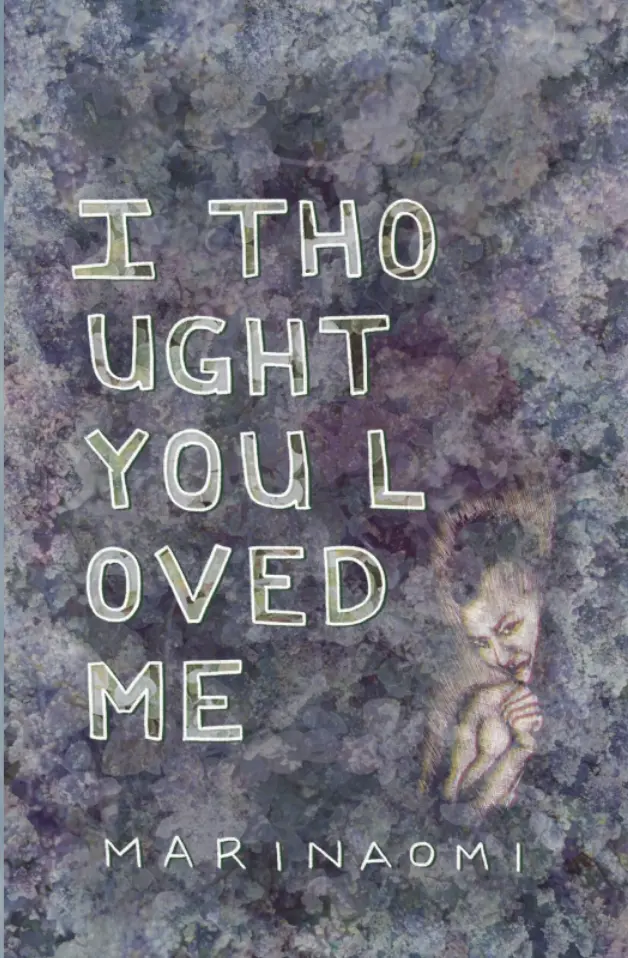
3. I Thought You Loved Me by MariNaomi (2023)
- Visual Mechanics: Keepsakes, old letters, personal notes, and collage fragments set against minimalist illustration.
- Narrative Function: Deconstruction of unexplainable loss and unreliable memory.
MariNaomi examines the dissolution of a 14-year friendship that ended abruptly without explanation. Decades after the estrangement, the author revisits the physical paper trail left behind—letters, small tokens, and scribbled messages—in an attempt to reconcile memories with reality. In I Thought You Loved Me, the included artifacts do not resolve the central mystery; instead, they heighten its ambiguity. MariNaomi uses visual gaps and curated ephemera to highlight the blind spots inherent in human recollection, demonstrating that physical evidence often exposes how little we truly know about the past.
4. Pittsburgh by Frank Santoro (2019)
- Visual Mechanics: Cream-colored construction paper, felt-tip markers, scotch tape, and translucent tracing vellum.
- Narrative Function: Stratified temporal memory and architectural reconstruction.
Frank Santoro’s autobiographical work attempts to reconstruct his parents’ lives before his birth, exploring how their early experiences shaped the family dynamic he inherited. To capture this intergenerational blur, Santoro constructs his pages using physical art supplies—tape, heavy paper, and marker strokes—that give the book the immediate texture of an artist’s working portfolio. Most notably, Santoro employs translucent tracing vellum overlays. This technique allows readers to physically look through one visual plane into another, serving as a powerful metaphor for how past events remain perpetually visible just beneath the surface of the present.
       PALIMPSEST EFFECT IN SANTORO'S "PITTSBURGH"
 ┌──────────────────────────────────────────────────┐
 │ Top Layer: Present Narrative (Vellum Overlay)    │
 ├──────────────────────────────────────────────────┤
 │ Bottom Layer: Historical Context (Heavy Paper)   │
 └──────────────────────────────────────────────────┘
   └─► Translucency allows simultaneous viewing of
       overlapping generational memories.
5. Alison by Lizzy Stewart (2022)
- Visual Mechanics: Mock-photographs, paint swatches, taped sketches, and handwritten notes.
- Narrative Function: Visual documentation of artistic development and self-actualization.
Unlike memoirs that reconstruct past events, Lizzy Stewart’s visual novel Alison uses collage to demonstrate how identity is incrementally built over time. Following the protagonist’s evolution from a isolated young wife in rural England to an established artist, Stewart constructs pages that resemble the studio wall of a working painter. Taped drawings, color swatches, and loose notes suggest that selfhood is not discovered all at once, but rather assembled through trial, error, and creative practice. As the character grows, the book’s visual structure matures alongside her, blurring the line between artistic creation and personal growth.
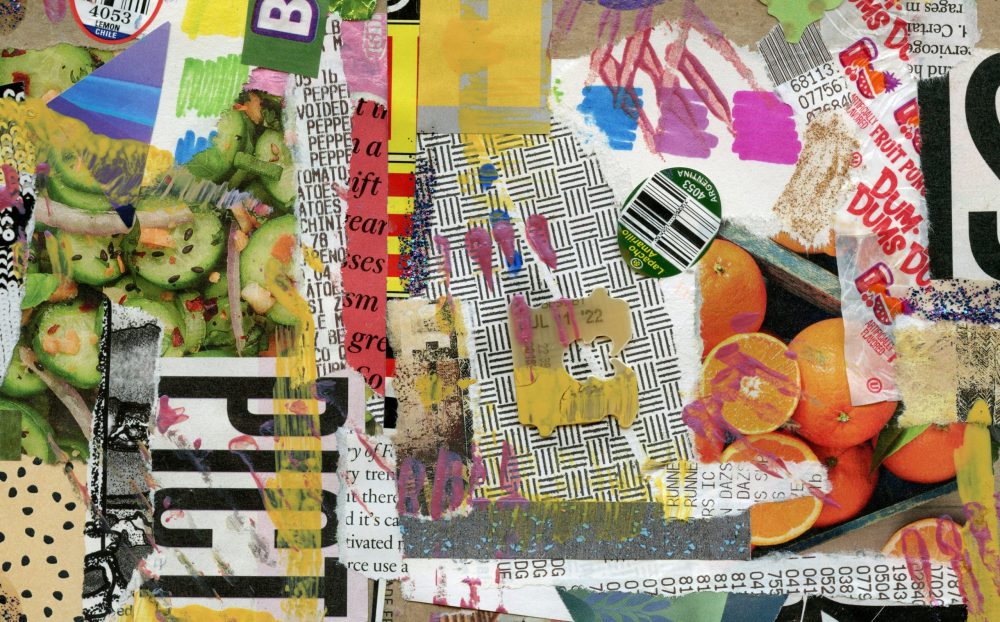
6. The Dancing Plague by Gareth Brookes (2021)
- Visual Mechanics: Pyrographic paper burning, fabric embroidery, coarse textiles, and textured scoring.
- Narrative Function: Visceral manifestation of historical hysteria and religious obsession.
Retelling the history of the 1518 dancing plague in Strasbourg through the eyes of a woman plagued by intense visions, Gareth Brookes turns physical craftsmanship into a tool of historical horror. Brookes embroiders fabric with thread and scorches paper with hot needles, intentionally damaging the canvas to convey intense emotion. The resulting pages do not merely depict historical suffering; they carry physical scars that mirror the distress of the era. The labor-intensive, tactile process emphasizes that historical events are not distant abstractions, but real, physical experiences endured by actual human bodies.
7. Becoming Horses by Disa Wallander (2020)
- Visual Mechanics: Superimposed cartoon figures over blurred photographs, watercolors, and high-texture surfaces.
- Narrative Function: Dreamlike psychological processing of somatic trauma.
Disa Wallander takes an abstract, impressionistic approach to mixed-media collage. In Becoming Horses, cartoon figures are overlaid onto out-of-focus background photography and rich visual textures, creating a space suspended between fantasy and reality. The photography does not simply provide settings; it establishes an atmospheric tone that integrates the characters’ internal struggles with their external environments. By shunning linear plots in favor of emotional atmosphere, Wallander demonstrates how non-traditional visual techniques can capture complex psychological states that defy standard illustration.
Supporting Context & Structural Metrics
The growing reliance on tactile, 3D elements in graphic memoirs reflects a deliberate response to modern digital media. In an era dominated by smooth touchscreens and algorithmic feeds, physical textures offer a grounding sense of authenticity.
When readers encounter scanned artifacts—such as the yellowed edge of an old letter, the raised texture of embroidery thread, or translucent tracing paper—their perception shifts. The book ceases to be just a visual medium and becomes an archival object, encouraging a slower, more immersive reading experience.
┌─────────────────────────┬───────────────────────────────┬──────────────────────────────────────────┐
│ Work                    │ Primary Material Technique    │ Narrative / Psychological Function       │
├─────────────────────────┼───────────────────────────────┼──────────────────────────────────────────┤
│ *Don't Go Where I Can't*│ Scanned ephemera, photos      │ Captures the raw immediacy of grief      │
│ *Belonging*             │ Forensic archival collage     │ Interrogates ancestral complicity        │
│ *I Thought You Loved Me*│ Keepsakes, faded papers       │ Exposes gaps in memory and friendship    │
│ *Pittsburgh*            │ Tracing vellum, markers, tape │ Visualizes overlapping historical layers │
│ *Alison*                │ Studio swatches, taped notes  │ Illustrates identity construction        │
│ *The Dancing Plague*    │ Embroidery, pyrography        │ Embodies historical trauma and hysteria  │
│ *Becoming Horses*       │ Photo-cartoon superimposition │ Explores somatic trauma through dream-logic│
└─────────────────────────┴───────────────────────────────┴──────────────────────────────────────────┘
Advancements in print technology have made these tactile styles economically viable. High-resolution scanning, precise color management, and specialized printing techniques allow publishers to reproduce fine surface details—from paper fibers to subtle shadows—with exceptional accuracy. As a result, graphic novels can now offer rich sensory experiences that traditional digital formats struggle to replicate.
Critical Context: The Nightingales
This focus on tactile visual storytelling is central to the author’s debut graphic novel, The Nightingales. Set in 1985, the book reimagines a real event from the author’s childhood, when their father invited a terminally ill stranger and his two dogs to move into their family home after being evicted from his apartment.
       MEMORIES AS FRAGMENTS (THE NIGHTINGALES CONCEPT)
 ┌────────────────────────────────────────────────────────┐
 │            1985 FAMILY HOUSEHOLD DYNAMIC               │
 └───────────────────────────┬────────────────────────────┘
                             │
            ┌────────────────┴────────────────┐
            ▼                                 ▼
 ┌─────────────────────┐           ┌─────────────────────┐
 │ Transient Stranger  │           │   Evicted Canine    │
 │   (Terminally Ill)  │           │     Companions      │
 └──────────┬──────────┘           └──────────┬──────────┘
            │                                 │
            └────────────────┬────────────────┘
                             │
                             ▼
 ┌────────────────────────────────────────────────────────┐
 │            VISUAL LANGUAGE OF THE SKETCHBOOK           │
 │  • Layered ephemera    • Fragmented memories           │
 │  • Textural depth      • Unfiltered family history     │
 └────────────────────────────────────────────────────────┘
To tell this story, the author turned to the visual structure of a sketchbook—a space for raw, unpolished experimentation where disparate notes, drawn fragments, and found objects come together to make sense of complex ideas.
Reflecting on the artistic process behind The Nightingales, the author notes:
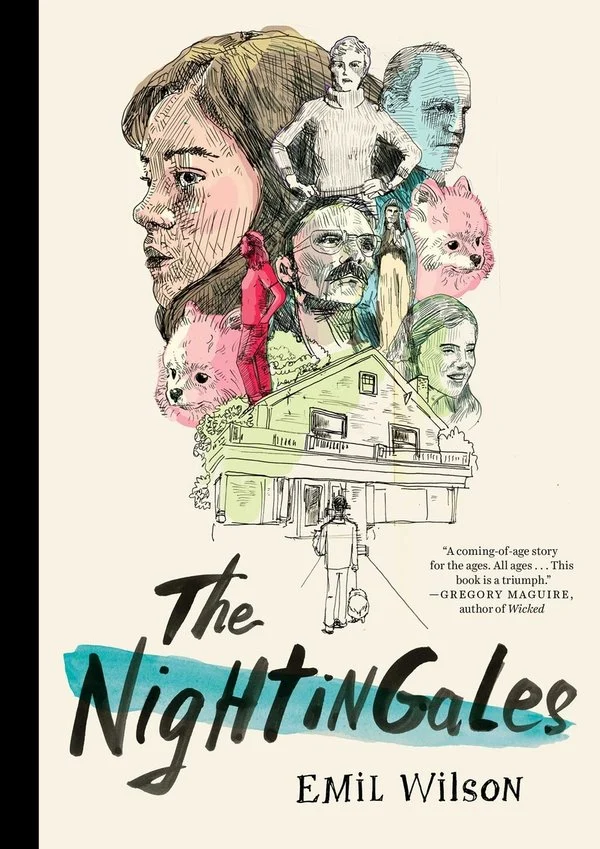
"I’ve always been captivated by artists’ sketchbooks. They’re wonderful places for experimentation: random drawings, collages, taped notes, found objects, and whatever else helps make sense of an idea before it’s fully formed. Memory has always felt much the same way to me: a collection of fragments, fleeting images, and moments that seem random, but rarely are."
Regarding the decision to use a collage-heavy aesthetic to depict the events of 1985, the author explains:
"Because my debut graphic novel, The Nightingales, was inspired by a true story from my family’s history, I created it using the visual language of a sketchbook. Set in 1985, the novel reimagines the time my father invited a dying stranger and his two dogs to move into our home after they were evicted from their apartment. What I love most about books that utilize scanned materials and photography is how those tactile details aren’t just decorative—they’re an essential part of the storytelling."
By leaning into physical textures, The Nightingales uses visual depth to explore domestic spaces, sudden arrivals, and the ambiguous boundaries of empathy.
Future Outlook
The rise of mixed-media graphics points to a broader transformation in sequential art. As tools for generating digital images become widespread, the human mark—evidenced by torn paper edges, visible tape, sewn thread, and layered vellum—gains new value within visual literature.
Looking ahead, several trends are likely to shape the medium:
- Expanded Use of Non-Traditional Media: More creators are expected to incorporate unconventional materials—such as ceramics, textiles, printmaking ephemera, and sculptural elements—into print narratives.
- Innovative Print Production: Publishers will likely continue to experiment with unique physical formats, utilizing varied paper stocks, transparent overlays, special inks, and specialized bindings to enhance the tactile nature of books.
- Hybrid Archival Storytelling: The boundary between graphic memoirs and historical archives will continue to blur, as creators use primary source documents and personal keepsakes to build nuanced, evidence-based narratives.
Ultimately, artists who work with mixed media demonstrate that graphic novels are far more than scripts paired with simple illustrations. By utilizing the full visual and physical potential of the book, these creators transform paper surfaces into rich, tactile landscapes where memory, history, and emotion come vividly to life.



Comments
Facebook App ID not configured. Please add it in the Customizer.