
Executive Overview
In the literary landscape of contemporary autofiction, few writers interrogate the friction between domestic labor and artistic production with the relentless, granular intensity of Kate Zambreno. Published by Semiotext(e), Zambreno’s thirteenth book, Foam, arrives as a hybrid text that defies easy categorization. Described by its publisher as "speculative new fiction" and by its author as a collision of "spooky fictions and art essays," the book continues Zambreno’s lifelong project of resisting rigid structural boundaries.
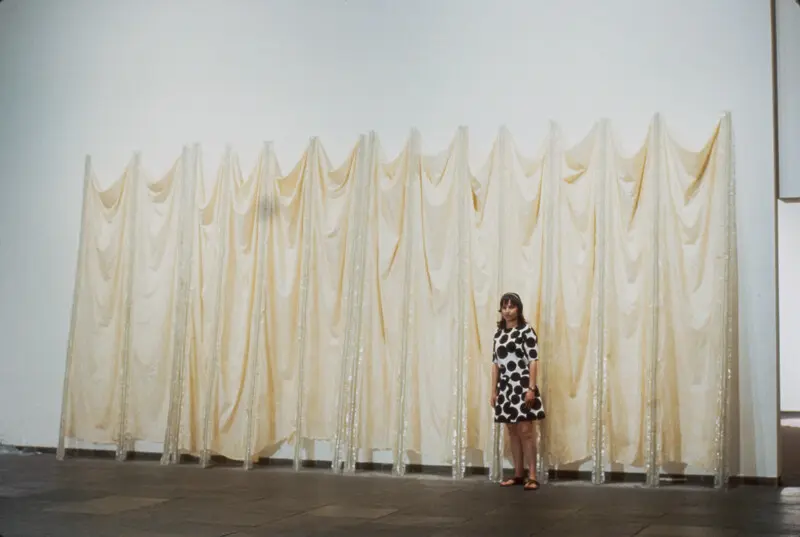
The narrative ostensibly begins with a straightforward premise: a writer attempting to draft a novella about the late sculptor Eva Hesse, an artist whose radical ethos dictated that "art and life are inseparable." Yet, like Hesse’s fragile, deteriorating materials—latex, fiberglass, and cheesecloth—the subject constantly slips away. It is swallowed by the ceaseless demands of contemporary precarity: the indignities of perpetual adjunct labor, the exhausting cycle of rental housing crises, the financial acrobatics of urban parenting without a safety net, and the intellectual drain of "thinking for others."
Across an expansive career marked by genre-bending works such as Heroines (2012), Drifts (2020), and The Light Room (2023), Zambreno has consistently pushed the boundaries of what an autobiographically informed narrative can hold. Foam represents a high-water mark in this evolution. It maps the textures of class striation within the interconnected worlds of art, literature, and academia, capturing the dizzying coexistence of privilege and powerlessness. Through an exploration of physical spaces, creative blockages, and an expanding constellation of figures named "Eva," Zambreno constructs a manifesto for writing outside predetermined shapes—proving that art can emerge, porous and resilient, from the gaps of a squeezed existence.
Read Also
Detailed Chronology: From Hospital Rooms to the Poetics of Foam
To understand the architecture of Foam is to trace a chronology of interruptions. The book opens in a hospital room where the narrator has just given birth to a second child. Accompanying this arrival is a biological relic: a placenta that visually echoes a "collapsed apartment building," signaling the domestic instability that immediately frames the narrative.
This postpartum experience acts as a portal back to the trauma of the first: an apartment plagued by lead poisoning, leading to a bitter rent strike, protracted legal battles, and a forced relocation. Denied the luxury of traditional maternity leave, the narrator makes a desperate, precarious financial calculation. Desperately needing time to write and maintain household order, they hire a "mother’s helper"—a former student named Eva.
The Proliferation of the "Evas"
The entrance of Eva sets off a strange, multiplying motif that anchors the narrative. Eva is young, an aspiring writer whose labor is compensated at a rate so low it strains the narrator’s conscience, yet higher than the family budget can comfortably sustain. A subtle power dynamic emerges: the narrator holds authority as the employer, teacher, and published writer, but Eva possesses a safety net—parents who support her financially, pay her rent, and grant her the unencumbered freedom to demand time off for her own writing.
When the first Eva inevitably scales back her hours, the narrator hires a second Eva. Soon, the name begins to multiply across the pages long before Eva Hesse herself is formally introduced:

- Eva the Employee: The student-turned-mother’s helper negotiating boundaries of labor and mentorship.
- Eva Hesse: The historical sculptor whose life and artistic philosophy of "non-form" eventually permeate the narrator’s consciousness.
- The Deceased Student: A brilliant, troubled young person who died by suicide, leaving behind an ambivalent critique of the narrator’s earlier work—specifically targeting its "melancholy," "whiteness, and heterosexuality."
- The Institutional Antagonist: A disruptive student whose behavior places the narrator at direct odds with an unsupportive, bureaucratic university administration.
- The Medical Gatekeeper: A dismissive cardiologist embodying the cold indifference of institutional authority.
Rather than reading as a clever literary gimmick, this proliferation of Evas serves as psychological shrapnel. It reflects an overburdened nervous system, an author stretched so thin that human relationships fracture into repeating archetypes of stress, power imbalance, and unheeded warnings.
The Motif of Foam
Running parallel to the human figures is the titular motif of foam. It enters the text incrementally, almost unnoticed: foam shoes and fake hospital flowers wedged inside a green foam block; expanding, yellowing spray foam clumsily plugged into crumbling apartment walls that an absentee landlord refuses to fix.
Eventually, foam transforms from a domestic nuisance into an aesthetic philosophy. It becomes a metaphor for "these desires toward softness" felt by the narrator—a direct echo of Eva Hesse’s legendary 1970 interview with Cindy Nemser, where the sculptor articulated her fascination with the liminal space between form and non-form. Foam is simultaneously fragile and structured, texture and void. Supported by an epigraph from philosopher Peter Sloterdijk—describing foam as "almost nothing, yet not nothing"—the concept offers Zambreno a blueprint for literary survival: a way to forge expansive, vital art out of the negligible scraps of time left over between contract labor and domestic servitude.
Supporting Context & Metrics: A Decade of Critical Reception
Zambreno’s literary trajectory has been marked by a polarizing critical reception that highlights broader anxieties within the contemporary literary establishment regarding genre, productivity, and gender. With Foam serving as their thirteenth book (including a 2013 chapbook), Zambreno’s high output has frequently become a focal point for reviewers—often creating a paradoxical friction with the themes of creative blockage explored in their texts.
| Book Title | Publication Year | Primary Form / Genre | Critical Reception Highlights |
|---|---|---|---|
| Heroines | 2012 | Critical Memoir / Essay | Provoked intense love-hate reactions; challenged traditional boundaries of scholarship and personal narrative. |
| Drifts | 2020 | Autofiction / Novel | Praised for its wandering structure; criticized by some reviewers for treating childbirth as an existential resolution. |
| The Light Room | 2023 | Memoir / Diary | Explored pandemic life, art, and parenting; cemented Zambreno’s signature voice of somatic attention. |
| Foam | 2025/2026 | Speculative Fiction / Art Essay | Explores precarity, adjunct labor, and the legacy of Eva Hesse through a deeply fragmented, porous structure. |
The Productivity Paradox
The tension between Zambreno’s lived precarity and their prolific output has long bewildered critics. In a New Yorker profile, the reviewer observed that the "scenes of creative blockage" in Zambreno’s books "can feel disingenuous, for Zambreno is conspicuously prolific." This sentiment echoes inside Foam itself, where the narrator notes "pinprick feelings of resentment" developing between them and a student-turned-friend precisely because "I have published so many books."
Furthermore, Zambreno’s consistent refusal to pledge allegiance to standard genre definitions has drawn steady scrutiny. A 2012 Bookforum review of Heroines faulted the author for failing "to discern between a memoir and a novel narrated by a fictional character." Later, reviewing Drifts in 2020, another Bookforum critic complained that the narrator’s expressions of "self-doubt, inaction, excuses" made the stakes "far higher for the writer than for the reader."
Navigating Formal Expectations
Even celebratory critics occasionally stumble over Zambreno’s deliberate evasion of narrative teleology. Writing in The New York Times, fellow experimental author Catherine Lacey critiqued Drifts—in which an isolated narrator attempts to write a book before having a baby—arguing that "the structure of the narrative suggests that childbirth is the answer to every question she’s been asking, a necessary redemption from her existential woes."

Zambreno’s defenders, however, read these conclusions differently. Rather than viewing maternity as a neat, redemptive Hollywood ending, readers attuned to Zambreno’s project see a weary artist who loves her child deeply, yet is primarily consumed by a frantic desire to bandage her wounds, manage her exhaustion, and crawl back to the isolation of her desk.
Official Statements and Authorial Intent
While Zambreno rarely offers prescriptive readings of their work, interviews surrounding the release of Foam offer vital clues into their artistic motivations. Describing the genesis of the book, Zambreno has frequently emphasized the accidental, emergent nature of their writing process.
"I’m writing a novella about Eva Hesse," the author tells inquirers, establishing an objective that the text itself continually subverts. The project is designed to mirror the organic decay and resilience of Hesse’s sculptures. Hesse’s belief that "art and life are inseparable" is not treated by Zambreno as an abstract modernist slogan, but as a grinding, daily reality where every domestic crisis—a toxic apartment, a delayed paycheck, a sick child—directly corrodes or feeds the artistic output.
In positioning Foam between "spooky fictions and art essays," Zambreno explicitly rejects the clinical detachment often demanded of contemporary essayists. The author’s voice is unabashedly inside the machinery of modern precarity—implicated in the power dynamics of employing underpaid graduate students while remaining economically vulnerable themselves. There is no moral high ground claimed here; instead, Zambreno offers an unflinching autopsy of the modern intellectual class, where cultural capital and absolute financial precarity exist in a state of permanent, bruising tension.
Future Outlook: The Enduring Legacy of Porous Artistry
As Foam enters the literary ecosystem, its reception will likely test the publishing industry’s ongoing appetite for anti-hierarchical, hybrid texts. Zambreno’s work points toward a necessary evolution in how we evaluate contemporary literature written by working-class and middle-class artists embedded in the revolving doors of adjunct academia and care work.
By refusing to offer tidy resolutions, clean genre demarcations, or detached sociological overviews, Zambreno carves out a vital space for writing that mimics real human consciousness: messy, repetitive, anxious, and stubbornly hopeful. The legacy of Foam, alongside its engagement with Eva Hesse’s material instability, suggests a future where literature does not need to be rigid, permanent, or monumental to endure.
Like the spray foam filling the holes in a crumbling wall, or the aging latex of a Hesse hanging sculpture, Zambreno’s writing reminds us that true artistic vitality often lives in the margins—porous, nervous, vulnerable, and yet defiantly refusing to disappear.


Comments
Facebook App ID not configured. Please add it in the Customizer.