
Executive Overview
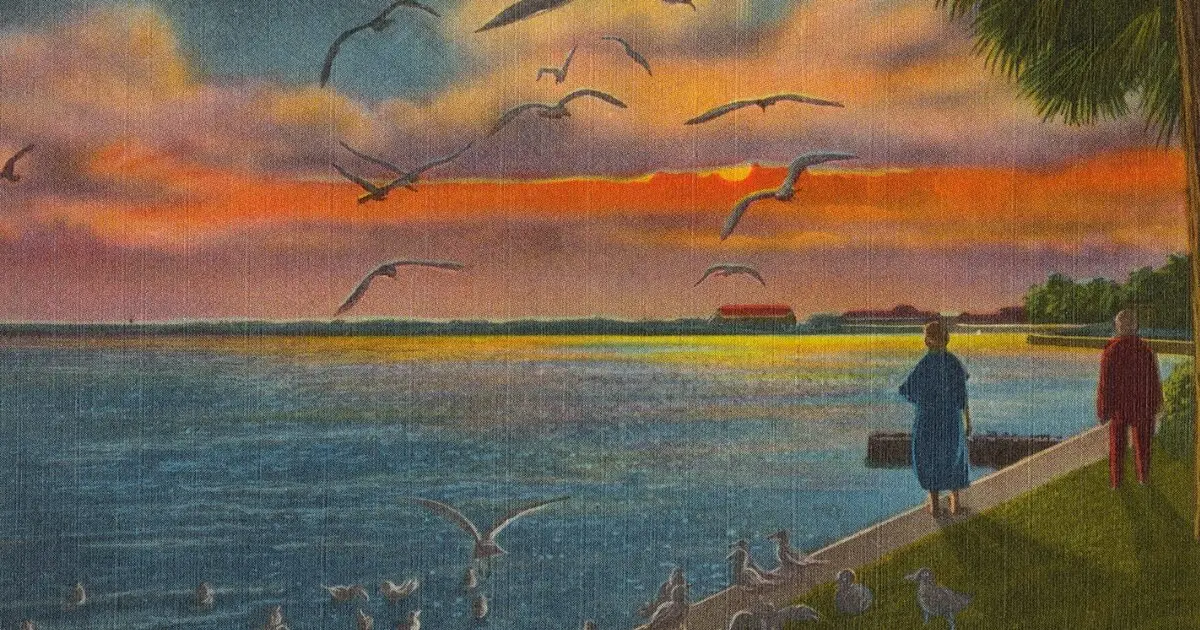
In times of profound geopolitical upheaval, poetry often serves as the last remaining vessel for historical memory and human grief. A striking testament to this enduring truth is found in the recent translation of a poignant verse by prominent Ukrainian poet Lyudmyla Khersonska. Rendered into English by renowned translators Ilya Kaminsky and Katie Farris, the poem captures a heartbreaking juxtaposition: a sun-drenched, tranquil Crimea defined by the simple rhythms of coastal life—gulls, bright dresses, and sandals on warm stones—starkly contrasted with the brutal intrusion of military might, defined by boots and missiles.
This piece examines the broader cultural, historical, and geopolitical weight of Khersonska’s verse within the context of the ongoing conflict in Ukraine. Crimea, annexed by the Russian Federation in 2014 and transformed into a heavily militarized bastion, has long served as a primary flashpoint in European security. Through the lens of literature, this article explores how the transformation of a landscape of light into a landscape of occupation impacts cultural identity, civilian life, and the preservation of truth. By analyzing the poetic testimony alongside the structural realities of the occupation, we gain a deeper appreciation of the human cost of war—a cost measured not only in territorial loss and geopolitical instability, but in the everyday joys and innocent memories irretrievably stolen from ordinary citizens.
Detailed Chronology: The Transformation of Crimea
To fully understand the emotional resonance of Khersonska’s poetry—specifically her invocation of a time "when Crimea was still a place of light"—it is essential to trace the historical trajectory of the peninsula over the past decade. The transformation from a vibrant, multicultural vacation destination and autonomous region into an isolated military zone represents a major turning point in modern European history.
Read Also
1. The Antebellum Era: A Mosaic of Cultures and Light
Before the seismic shifts of 2014, Crimea was widely celebrated for its unique geographical beauty and cultural diversity. Historically home to a mosaic of ethnic groups—including Ukrainians, Russians, and the indigenous Crimean Tatars—the peninsula functioned as a Black Sea crossroads. Tourism thrived along the southern coast, where beachgoers walked along the shore, and local communities enjoyed relative stability. Khersonska’s imagery of "gulls free of orders" and "women in bright dresses" evokes this era of unburdened civilian existence, where the horizon was framed by nature rather than naval blockades and air defense systems.
2. The 2014 Annexation and the Militarization of the Horizon
The geopolitical landscape shifted dramatically in February and March 2014, when unmarked Russian military forces—widely referred to as "little green men"—seized key government installations across Crimea. This illegal annexation, followed by a disputed referendum, severed the peninsula from mainland Ukraine and initiated a rapid, aggressive militarization.
As Russian authorities integrated Crimea into their military infrastructure, the civilian character of the region was systematically suppressed. Beaches that once welcomed families and artists were increasingly restricted, converted into naval outposts or secured zones. The natural environment, once characterized by freedom of movement, became subject to strict military oversight. Khersonska’s transition from "sandals" to "boots" encapsulates this precise historical rupture: the replacement of civilian freedom with authoritarian control, and the substitution of leisurely seaside walks with the heavy, rhythmic march of occupying forces.
3. The Escalation: From Annexation to Launchpad (2022–Present)
The annexation of 2014 was merely the prelude to a larger tragedy. Following the full-scale invasion of Ukraine in February 2022, Crimea’s role evolved from a contested territory into a critical logistics hub and launching pad for military strikes against the Ukrainian mainland.
The peninsula became saturated with advanced weaponry, transforming Khersonska’s metaphorical premonition into a literal reality: the arrival of "missiles." Air raid sirens, anti-air defense battery fire, and explosions at military depots shattered the illusion of stability. For those who remember the peninsula as a place of light, the modern landscape represents a profound displacement—not only physical exile from homes and communities, but a psychological alienation from a homeland weaponized against its own people.
Supporting Context & Metrics: Cultural Erasure and Geopolitical Realities
The erosion of civilian life in Crimea extends far beyond military build-up; it encompasses a systematic campaign of cultural erasure, demographic manipulation, and human rights abuses that target those who refuse to conform to the occupation narrative.
The Suppression of Civil Liberties and Indigenous Rights
Since 2014, international human rights organizations have documented a steady deterioration of fundamental freedoms on the peninsula. The Crimean Tatar community, which largely opposed the 2014 annexation, has faced targeted persecution, arbitrary arrests, and the banning of their self-governing assembly, the Mejlis. Independent media outlets have been shuttered, and public dissent is met with swift, severe legal retaliation under Russian legislation criminalizing criticism of the armed forces.
In this climate of repression, literature and art occupy a dangerous yet vital space. Writers like Lyudmyla Khersonska—who was forced to leave her home due to the war—utilize their craft to bear witness to the dismantling of their homeland. Poetry becomes an act of defiance, refusing to let the pre-war memory of Crimea be entirely overwritten by state-sponsored propaganda.
Geopolitical and Strategic Significance
From a strategic perspective, Crimea remains the linchpin of the war in Ukraine. The peninsula provides the Russian military with deep-water ports, airbases, and a land corridor connecting mainland Russia to occupied southern Ukrainian territories. Consequently, it has increasingly become a theater of asymmetric warfare, featuring drone attacks, missile strikes on naval installations, and ongoing intelligence operations by Ukrainian forces seeking to restore their territorial integrity.
The human cost of this strategic tug-of-war is staggering. While military analysts debate supply lines, tonnage, and tactical advantages, poets like Khersonska refocus the global gaze on the sensory and emotional dimensions of loss. The metric of the war cannot be calculated solely in square kilometers regained or lost; it must account for the loss of a shared cultural space where human beings could live without fear.
Official Statements and Literary Perspectives
The publication of Khersonska’s translated work in 2026 highlights the ongoing global solidarity within the international literary community. Translators Ilya Kaminsky and Katie Farris have been instrumental in bringing contemporary Ukrainian poetry to English-speaking audiences, ensuring that the voices of displaced writers continue to resonate across borders.
The Translators’ Insight
In discussing the challenges of translating wartime literature, scholars and translators frequently emphasize the weight of responsibility. To translate a poem like Khersonska’s is not merely an exercise in linguistic substitution; it is an act of cultural preservation. The stark simplicity of the original Russian text—written by a Russian-speaking Ukrainian poet who staunchly defends her country’s sovereignty—subverts the false narratives often deployed by aggressors to justify occupation.
Kaminsky and Farris capture the deliberate cadence of Khersonska’s repetition: "in sandals, in sandals / instead of boots, / before missiles. / Before missiles, / I, too, loved it all." This rhetorical device mimics the rhythm of a lingering memory, a mind struggling to comprehend how quickly paradise was converted into a military staging ground.
Cultural Diplomacy and the Voice of the Displaced
International cultural bodies and human rights advocates have repeatedly stressed the importance of amplifying Ukrainian artistic voices. As official diplomatic channels often reach stalemates, poetry operates on a universal frequency, cutting through political rhetoric to address the fundamental vulnerability of human existence.
Through statements released by various European writers’ associations and human rights platforms, the global community continues to condemn the illegal occupation of Crimea and express solidarity with artists exiled from their ancestral and adopted homes. These statements underscore a unified message: while borders can be altered by force, the cultural memory and sovereign identity of a people cannot be permanently erased by missiles or decrees.
Future Outlook: Memory, Resistance, and the Horizon of Recovery
As the conflict in Ukraine continues to evolve, the question of Crimea’s future remains one of the most complex challenges on the international stage. Any eventual peace settlement or political resolution will inevitably have to grapple with the status of the peninsula, the rights of its displaced populations, and the restoration of the rule of law.
The Role of Art in Post-Conflict Reconstruction
History demonstrates that long after treaties are signed and physical infrastructure is rebuilt, cultural wounds require generations to heal. The poetry of Lyudmyla Khersonska will undoubtedly serve as a foundational document for future generations seeking to understand the psychological landscape of this era. It preserves the image of a Crimea defined by light rather than conflict, providing a moral compass and an aspirational vision for what the region might one day become.
Toward a Return of the Light
For the millions of Ukrainians, including Crimean Tatars and displaced residents, who dream of returning to their homes, the yearning encapsulated in Khersonska’s lines—"when Crimea was still a place of light"—acts as both a lament and a beacon of hope. It reminds the international community that the ultimate goal of resistance is not merely military victory, but the reclamation of human dignity, peace, and the simple freedom to walk barefoot along a shoreline where the only patrols in the sky are free gulls, long after the missiles have finally fallen silent.


Comments
Facebook App ID not configured. Please add it in the Customizer.