
Executive Overview
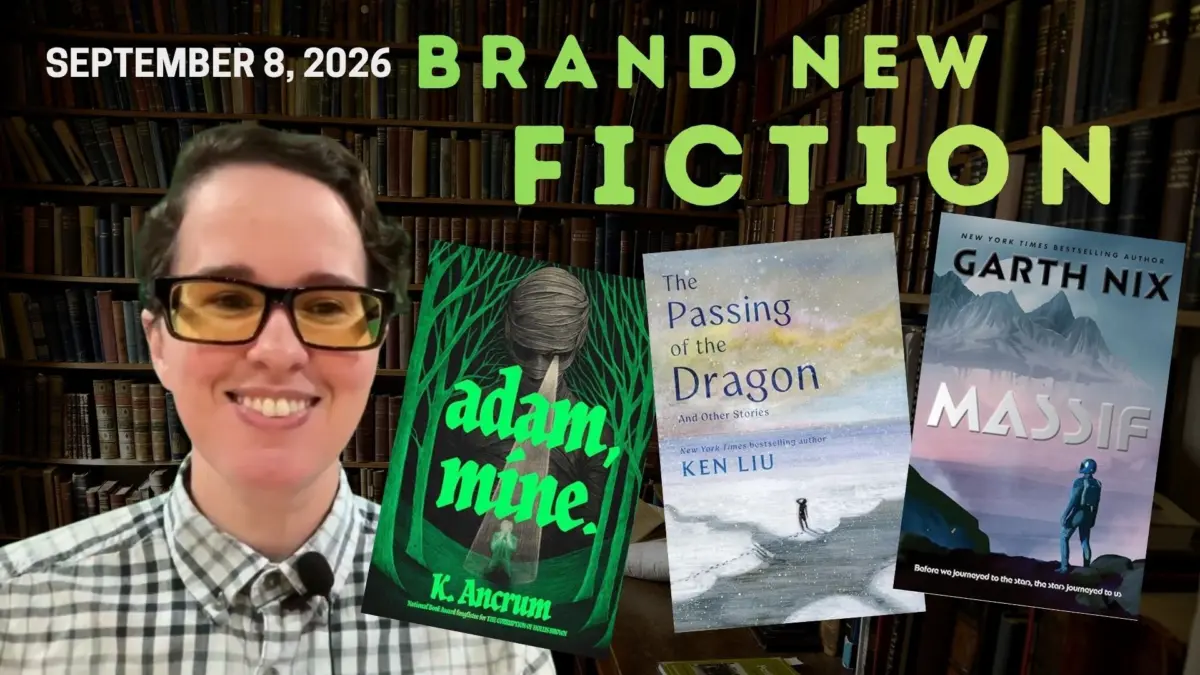
On September 8, 2026, the speculative fiction publishing landscape marked a pivotal seasonal transition. As the industry pivots from the lighter, high-volume "beach reads" of the summer to the prestigious, award-contending titles of the autumn, publishers are unleashing some of their most highly anticipated works of the year. Curating this massive influx of literature is Locus Magazine, the long-standing premier journal of the science fiction, fantasy, horror, and young adult (YA) genres. Through its weekly multimedia rollouts, Locus continues to act as the primary cartographer of the speculative fiction ecosystem, helping readers, librarians, and booksellers navigate an increasingly crowded marketplace.
The September 8, 2026 release cycle highlights a broader structural transformation within the publishing industry. This week’s arrivals showcase a notable blending of genres, where traditional hard science fiction is increasingly infused with ecological anxiety, and horror continues its mainstream renaissance by merging with literary historical fiction. Concurrently, the Young Adult market is adapting to a post-algorithmic landscape, seeking to capture the elusive attention of readers who are increasingly fatigued by repetitive digital trends.
However, behind the excitement of these new releases lies a deeper, more systemic challenge: the economic sustainability of independent literary criticism and journalism. As Locus pairs its weekly release roundup with its ongoing 2026 fundraising campaign, the speculative fiction community is forced to confront a pressing question: How will the infrastructure of curation survive in an era dominated by corporate consolidation and algorithmic recommendation engines?
Read Also
Detailed Chronology: Deciphering the September 8, 2026 Release Landscape
The second week of September is historically regarded by publishing analysts as the official opening salvo of the autumn publishing season. The titles debuting on September 8, 2026, reflect several years of development, acquisition, and editorial refinement. Below is a thematic breakdown of the primary genre categories defining this week’s release schedule.
+----------------------------------------------------------------------------+
|                  SEPTEMBER 8, 2026 RELEASE LANDSCAPE                       |
+------------------------------------+---------------------------------------+
| Genre Category                     | Dominant Narrative Themes             |
+------------------------------------+---------------------------------------+
| Science Fiction                    | • Ecological adaptation & Solarpunk   |
|                                    | • Deep-space isolation & Post-humanism|
+------------------------------------+---------------------------------------+
| Fantasy                            | • Cozy, low-stakes "Slice-of-Life"    |
|                                    | • Non-Western mythologies & Politics  |
+------------------------------------+---------------------------------------+
| Horror                             | • Eco-horror & Ancestral trauma       |
|                                    | • Domestic gothic & Psychological dread|
+------------------------------------+---------------------------------------+
| Young Adult (YA)                   | • Speculative social thrillers        |
|                                    | • High-concept identity explorations   |
+------------------------------------+---------------------------------------+
Science Fiction: Ecological Adaptation and Post-Humanism
The science fiction titles arriving this week demonstrate a clear departure from the sterile, technophilic space operas of the early 2000s. Instead, the class of late 2026 is deeply concerned with the "Anthropocene." We see a surge in "solarpunk" and climate-fiction (cli-fi) narratives that reject pure dystopian doom in favor of exploring complex, realistic modes of human adaptation.
Parallel to these ecological narratives are deep-space isolation stories. Rather than focusing on interstellar conquest, these books examine the psychological toll of long-term space flight and the biological realities of post-humanism—specifically how humanity might alter its own genetic code to survive environments beyond Earth’s biosphere.
Fantasy: Cozy Realism vs. Intricate Political Worldbuilding
Fantasy releases this week are bifurcated into two distinct, highly successful sub-genres:
- Cozy Fantasy: Following the commercial success of low-stakes, slice-of-life fantasy over the last few years, publishers are continuing to roll out comforting, character-driven stories set in magical bakeries, libraries, and quiet villages.
- Epic, Non-Western Mythic Fantasy: On the opposite end of the spectrum are sprawling, politically complex epic fantasies. Drawing heavily from non-Western mythologies and historical frameworks—particularly Mesoamerican, West African, and East Asian histories—these books offer readers intricate magic systems tied to complex socio-political commentary on colonialism, resource scarcity, and statecraft.
Horror: Eco-Horror and Ancestral Gothicism
Horror continues to be one of the fastest-growing segments of the speculative fiction market. The September 8 releases emphasize psychological dread and environmental terror over simple slashers. Eco-horror—where the natural world actively and violently reclaims territory from human encroachment—is particularly prominent. Additionally, there is a strong showing of ancestral gothic horror, where protagonists must confront literal and metaphorical ghosts representing historical or familial trauma.
Young Adult (YA): Bridging the Gap to "New Adult"
The YA releases for this week reflect a mature, sophisticated approach to storytelling. As the line between Young Adult and "New Adult" (NA) continues to blur, this week’s YA titles focus on speculative social thrillers. These narratives utilize speculative elements—such as minor telepathic abilities, localized time loops, or corporate-run surveillance towns—as metaphors for the real-world anxieties faced by modern teenagers, particularly surrounding digital privacy, climate anxiety, and systemic inequality.
Supporting Context & Metrics: The Speculative Fiction Market in 2026
To understand the significance of the September 8 release cycle, one must analyze the broader economic and cultural forces shaping the publishing industry in 2026.
The Romantasy Effect and Imprint Diversification
The explosive growth of "Romantasy" (romantic fantasy) over the past three years has fundamentally altered how major publishing houses allocate their budgets. According to industry sales data from mid-2026, romantic fantasy accounted for approximately 34% of all speculative fiction sales in the first half of the year. This commercial powerhouse has allowed publishers to take greater artistic risks on mid-list titles in hard science fiction and experimental horror. The revenue generated by blockbuster romantic fantasy releases is, in effect, subsidizing the highly literary, avant-garde speculative fiction debuting this autumn.
Format Dynamics: The Rise of Audio and the Resilience of Physical Print
The distribution of formats for speculative fiction releases has stabilized into a distinct tri-part system:
Speculative Fiction Format Market Share (Projected Q3 2026)
===========================================================
[█████████████████████] Audiobook: 42%
[████████████████] Physical (Hardcover/Paperback): 32%
[███████████] eBook: 26%
The dominance of audiobooks is particularly pronounced in the Science Fiction and Fantasy (SFF) genres, where long commutes and multi-tasking lifestyles have made audio the preferred medium for consuming complex, multi-hour epics. However, physical print—particularly special editions with sprayed edges, foil-stamped hardcovers, and interior illustrations—remains highly coveted by collectors and dedicated fans, driving a premium market that offsets the decline of standard mass-market paperbacks.
The Financial Reality of Literary Journalism
While the speculative fiction market itself remains robust, the ecosystem of independent curation and journalism faces an existential crisis. Locus Magazine, published by the non-profit Locus Science Fiction Foundation, has been the definitive trade journal of the field since 1968. Unlike corporate-backed lifestyle publications, Locus relies on a delicate mix of print and digital subscriptions, advertising from publishers, and direct reader donations.

The fundraising appeal integrated into the September 8 announcement highlights a stark reality: as traditional ad revenues migrate to social media platforms and search engines, independent literary spaces must rely on grassroots philanthropy. Without community-funded institutions like Locus, the speculative fiction field risks losing its institutional memory, unbiased review processes, and comprehensive industry news coverage.
Official Statements and Editorial Perspectives
The transition into the Fall 2026 publishing season has elicited strong commentary from across the literary spectrum, emphasizing the balance between commercial viability and artistic preservation.
An editor from Locus Magazine, speaking on the condition of anonymity due to the ongoing fundraising campaign, emphasized the critical nature of independent curation:
"In an era where algorithms dictate what readers see on their feeds, human-curated reviews are more than a luxury—they are an act of cultural preservation. If we rely solely on automated recommendations, we will inevitably create an echo chamber where only the loudest, most heavily marketed books survive. Our weekly video roundups and monthly print issues are designed to ensure that the quiet, groundbreaking masterpiece receives the same analytical attention as the multi-million-dollar bestseller."
Literary agent Sarah Jenkins of the Apex Literary Alliance commented on the shifting demographic of SFF writers:
"What we are seeing in the September 2026 releases is a direct result of a more globalized, diverse cohort of writers entering the field. The boundaries of what constitutes ‘classic’ science fiction or fantasy have expanded permanently. Readers are demanding stories that reflect the complex, multi-faceted world we live in, and publishers are finally realizing that diversity is not a trend—it is the baseline of modern literature."
Furthermore, publishing analyst Marcus Vance noted the economic pressures facing mid-list authors:
"The high volume of releases in early September is a double-edged sword. While it represents a vibrant, creative industry, it also means that books have a shorter window than ever to find their audience. If a title does not gain traction within its first three weeks on the shelf, it is quickly sidelined to make room for the next wave. This makes early-stage advocacy from platforms like Locus absolutely vital for an author’s career longevity."
Future Outlook: The Trajectory of Speculative Fiction into 2027
As the publishing world moves past the September 8 launch window, several key trends are poised to shape the remainder of 2026 and lead the industry into 2027.
Technological Consolidation and Intellectual Property Rights
The ongoing debate surrounding generative artificial intelligence (AI) in publishing is expected to reach a critical legal and ethical juncture by early 2027. While major publishers have largely committed to preserving human authorship for manuscripts, the use of AI tools in translation, audiobook narration, and promotional copywriting remains a highly contentious issue. Organizations like the Science Fiction and Fantasy Writers Association (SFWA) are actively lobbying for stricter copyright protections, ensuring that authors’ works are not used to train machine-learning models without explicit consent and compensation.
The Ascent of "Eco-Grief" as a Defining Sub-Genre
Looking ahead to the Winter 2026 and Spring 2027 catalogs, industry insiders predict that "eco-grief" and climate-adaptation narratives will transition from a niche trend to a dominant literary movement. As real-world environmental shifts become more pronounced, speculative fiction will continue to serve as the primary sandbox for humanity to process collective ecological trauma, offering both cautionary tales and blueprints for resilience.
The Survival of the Independent Press
The financial health of non-profit entities like the Locus Science Fiction Foundation will serve as a bellwether for the broader independent literary community. If fundraising campaigns succeed, it will prove that there is still a passionate, dedicated audience willing to pay for high-quality, professional journalism. If, however, these organizations are forced to scale back, the speculative fiction community may find itself navigating a highly commercialized landscape without the guiding light of independent, critical oversight.
Ultimately, the new releases of September 8, 2026, represent more than just a list of books to be read; they are a testament to the enduring human desire to explore the unknown, confront our deepest fears, and imagine alternative futures. Whether through the lens of a distant starship, a haunted forest, or a magical village, these stories remain our most vital tools for understanding the present.


Comments
Facebook App ID not configured. Please add it in the Customizer.