
Executive Overview
In the modern educational and literary landscape, early reader graphic novels have transitioned from a niche alternative into a cornerstone of early childhood literacy. Designed with a sweet spot for ages six and up—while remaining accessible to eager minds as young as three—these dynamic books harness the power of visual storytelling to transform the reading experience.
Far from being mere entertainment, early graphic novels serve as critical pedagogical tools. They bridge the gap between traditional picture books and text-heavy chapter books, helping developing readers master visual literacy. By decoding meaning through a symbiotic relationship between words and sequential images, children build decoding confidence, expand their vocabularies, and develop a genuine enthusiasm for books. This format has proven especially transformative for reluctant or emerging readers, making the reading process feel fast-paced, approachable, and deeply rewarding.
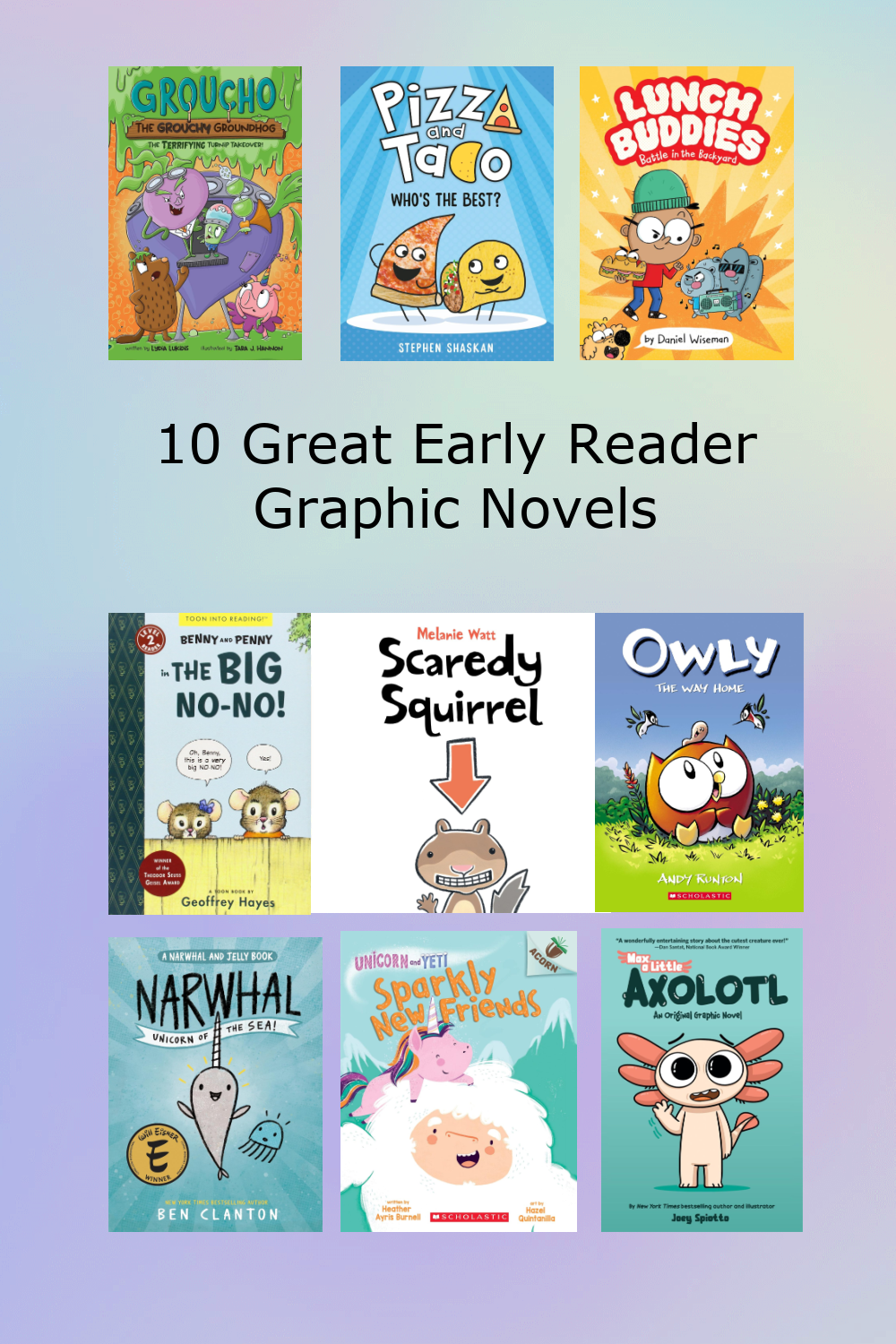
To celebrate this literary movement, guest author and award-winning children’s book creator Lydia Lukidis has curated a definitive list of 10 exceptional early reader graphic novels. Packed with humor, heart, and just the right amount of chaos, these series feature everything from party-throwing narwhals and panicking squirrels to brave axolotls and grumpy, day-saving groundhogs.
Read Also
Detailed Chronology: The Evolution of Graphic Novels in Early Education
The integration of comic books and graphic novels into children’s literature has evolved significantly over the past several decades. Understanding this trajectory highlights why these formats are now celebrated by educators, librarians, and parents alike.
- The Mid-to-Late 20th Century (The Stigma Era): For generations, comics and graphic formats were frequently dismissed by traditional educators as "junk reading" or distractions from standard prose. Literacy programs heavily prioritized dense blocks of text over visual storytelling, leaving sequential art on the periphery of formal education.
- The Turn of the Millennium (The Cognitive Shift): As cognitive scientists and educational researchers began studying how children process information, perceptions shifted. Studies revealed that young minds naturally synthesize visual and textual cues. The publication of seminal early graphic novel series in the early 2000s—such as Geoffrey Hayes’ Benny and Penny—proved that sequential art could convey complex emotional nuance, pacing, and narrative structure to young audiences.
- The 2010s (The Institutional Adoption): Schools and libraries began embracing graphic novels as legitimate literary tools. Organizations like the American Library Association and various children’s literature committees started acknowledging graphic formats with major awards. Publishers responded by creating dedicated imprints specifically tailored to emerging readers, such as Scholastic’s Acorn and Branches lines.
- The Present Day (The Literacy Revolution): Today, early reader graphic novels are recognized as front-line instruments in combating reading fatigue and fostering lifelong literacy habits. With authors and illustrators specializing specifically in ages 3–8, the market boasts sophisticated yet accessible titles that cater to diverse developmental milestones.
Supporting Context & Metrics: The Science of Visual Literacy
Why are graphic novels so uniquely effective for early readers? The answer lies in the cognitive mechanics of reading acquisition.
- Decoding Visual and Textual Cues: When children read a traditional text-heavy book, their cognitive load is often entirely consumed by sounding out words. In contrast, graphic novels provide contextual scaffolding. Illustrations act as visual vocabulary clues, allowing children to deduce the meaning of unfamiliar words through facial expressions, settings, and action lines.
- Pacing and Instant Gratification: Emerging readers often experience fatigue when faced with dense paragraphs. Graphic novels utilize panels, speech bubbles, and page turns to create a natural, rhythmic pacing. This structure provides frequent moments of narrative closure and visual payoff, keeping motivation high.
- Inclusivity for Reluctant Readers: Studies in educational psychology consistently show that visual formats lower anxiety in struggling or reluctant readers. By democratizing access to complex storytelling elements—such as irony, character arcs, and subtext—graphic novels ensure that no child is left behind due to text-decoding hurdles alone.
The Curated Selection: 10 Outstanding Early Reader Graphic Novels
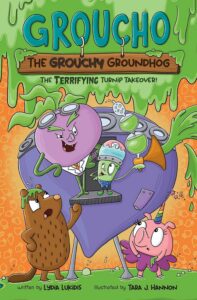
1. Groucho the Grouchy Groundhog by Lydia Lukidis, Illustrated by Tara J. Hannon
- Target Audience: Early reader, ages 6 and up
- Overview: Written by guest author Lydia Lukidis, this series starter introduces Groucho, a genuinely grumpy groundhog who finds himself unwillingly sucked into a chaotic, pancake-related municipal mystery. In a town where absolutely nothing goes according to plan, Groucho’s constant complaints somehow merge with remarkably clever problem-solving. Ultimately, the book delivers a heartwarming and hilarious message: even the grouchiest hero can step up and save the day.
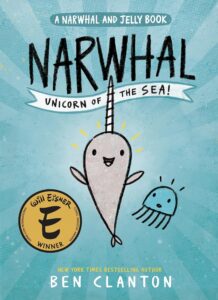
2. Narwhal and Jelly by Ben Clanton
- Target Audience: Early reader, ages 5 and up
- Overview: A masterclass in character dynamics, this beloved series pairs a relentlessly sunny, waffle-loving narwhal with a cautious, pragmatic jellyfish. Their sweet and simple ocean adventures explore the foundations of friendship, curiosity, and mutual understanding. Clanton uses gentle humor and bright, inviting art to make early reading an absolute joy.
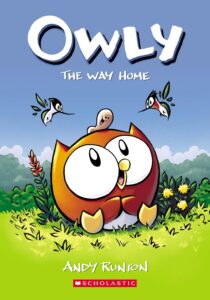
3. Owly by Andy Runton
- Target Audience: Early reader, ages 5 and up
- Overview: Owly offers a uniquely serene reading experience. Following a gentle little owl as he navigates small forest challenges and seeks companionship, the series relies almost entirely on visual storytelling and expressive body language rather than words. It cultivates emotional intelligence and a calm, reflective reading pace.
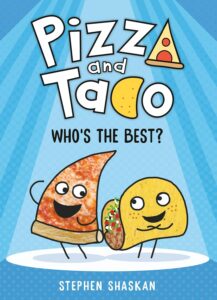
4. Pizza and Taco by Stephen Shaskan
- Target Audience: Early reader, ages 6 and up
- Overview: Best friends Pizza and Taco turn everyday debates—like who is the best topping or how to survive a boring afternoon—into laugh-out-loud spectacles. Shaskan’s dynamic layouts, snappy dialogue, and delightfully messy situations deliver simple jokes and high-energy fun tailored specifically for newly independent readers.
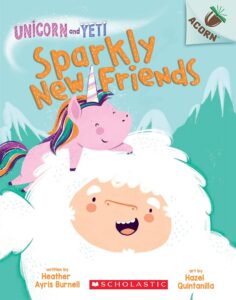
5. The Unicorn and Yeti by Heather Ayris Burnell, Illustrated by Hazel Quintanilla
- Target Audience: Early reader, ages 5 and up
- Overview: This charming series explores how two very different mythical creatures forge a tender bond through shared everyday moments. Featuring soft emotional themes, gentle humor, and comforting illustrations by Hazel Quintanilla, it is an ideal introduction to narrative empathy and kindness for younger children.
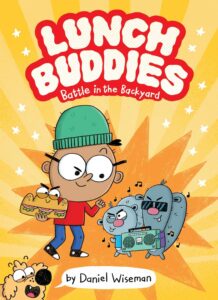
6. Lunch Buddies by Daniel Wiseman
- Target Audience: Early reader, ages 6 and up
- Overview: What happens when ordinary school-lunch items come to life? Daniel Wiseman answers this question with absurd, high-octane energy. Transforming the cafeteria into a wild battleground of epic proportions, Lunch Buddies pairs punchy, rapid-fire humor with vibrant cartooning.
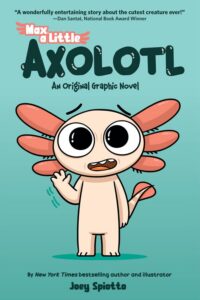
7. Max, a Little Axolotl by Joey Spiotto
- Target Audience: Early reader, ages 7 and up
- Overview: Max is a diminutive axolotl embarking on a surprisingly vast expedition. As Max explores unfamiliar environments, the narrative gently introduces timeless themes of courage, self-discovery, and belonging, striking a perfect balance between adventurous excitement and cozy comfort.
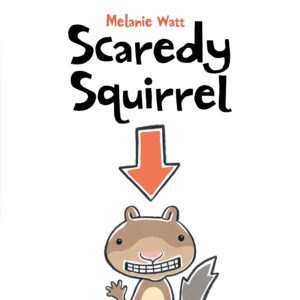
8. Scaredy Squirrel by Mélanie Watt
- Target Audience: Early reader, ages 3 and up
- Overview: A masterclass in comedic anxiety, Scaredy Squirrel follows an ultra-prepared rodent who meticulously plans for every conceivable danger in his safety zone of a nut tree. When an unexpected event forces him out of his comfort zone, readers witness a hilarious and relatable journey about managing fear and embracing growth.
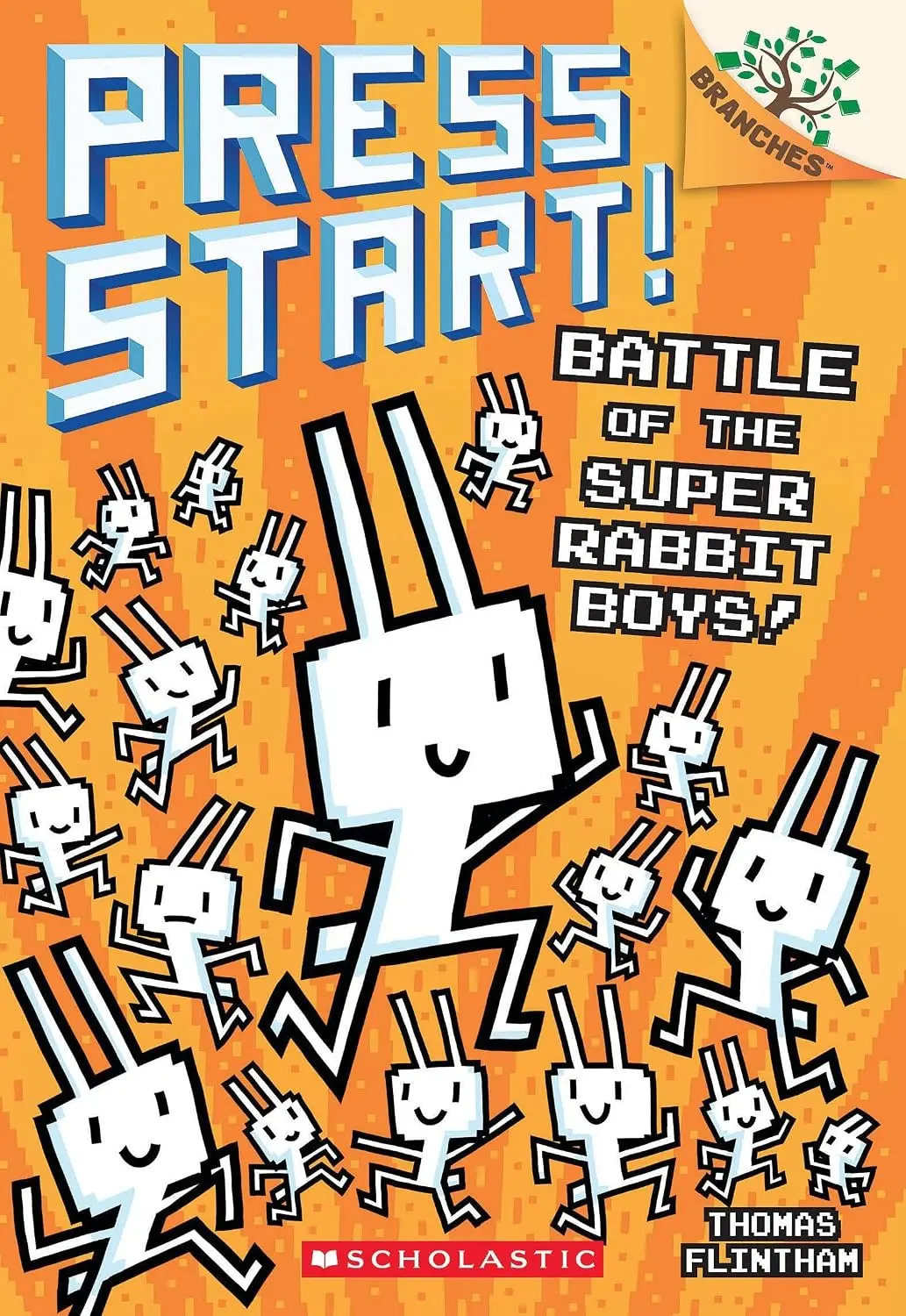
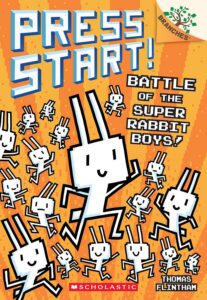
9. Press Start! Super Rabbit Boy by Thomas Flintham
- Target Audience: Early reader, ages 5 and up
- Overview: Designed to mimic the thrilling rhythm of video game mechanics, this high-stakes series plunges Super Rabbit Boy into level-based obstacles and action-packed adventures. Flintham’s kinetic artwork keeps fast-paced, enthusiastic readers glued to the page from start to finish.
10. Benny and Penny by Geoffrey Hayes
- Target Audience: Early reader, ages 4 and up
- Overview: Geoffrey Hayes captures the microscopic drama of childhood with exquisite tenderness. Siblings Benny and Penny navigate backyard rules, minor misunderstandings, and imaginative play in stories that treat young readers’ emotional worlds with absolute seriousness and warmth.
Official Statements & Author Spotlight
Special Giveaway Announcement
To celebrate this curated collection, a special book giveaway is currently underway! Readers have the opportunity to win a copy of Groucho the Grouchy Groundhog by Lydia Lukidis. To enter the giveaway, simply leave a comment below. (Note: Mail-in fulfillment is restricted to U.S. and A.P.O. addresses.)
About the Guest Author: Lydia Lukidis
Lydia Lukidis is an award-winning children’s author with over 60 trade and educational books to her name. Her celebrated bibliography includes:
- UP, UP HIGH: The Secret Poetry of Earth’s Atmosphere (Capstone, 2025)
- DANCING THROUGH SPACE: Dr. Mae Jemison Soars to New Heights (Albert Whitman, 2024)
- DEEP, DEEP, DOWN: The Secret Underwater Poetry of the Mariana Trench (Capstone, 2023)
Lukidis is the recipient of numerous accolades, including the Crystal Kite Award (Canada and North America division), a Forest of Reading Silver Birch Express Honor, and multiple Cybils Award nominations. Beyond her writing, she is deeply committed to youth literacy, regularly conducting interactive writing workshops in elementary schools across Quebec through the Culture in the Schools program.
Lydia Lukidis is proudly represented by literary agent Miranda Paul of Aevitas Creative Management. To learn more about her upcoming projects, visit her official Website and follow her literary journey via her Blog, Twitter/X, Facebook, and Instagram.
Future Outlook: The Expanding Horizon of Early Literacy
As educational paradigms continue to evolve, the stigma once attached to graphic novels has completely dissolved, replaced by widespread institutional and parental endorsement. The future of early childhood literacy is undeniably multimodal. By embracing formats that successfully blend textual rigor with artistic brilliance, publishers, educators, and authors are ensuring that the next generation of children will not only learn how to read, but will genuinely fall in love with the journey.
Whether through the grumpy heroics of a groundhog, the cautious wisdom of a jellyfish, or the video-game mechanics of a super rabbit, early reader graphic novels remain an indispensable gateway to a lifetime of imagination, empathy, and intellectual curiosity.

Comments
Facebook App ID not configured. Please add it in the Customizer.