
Executive Overview
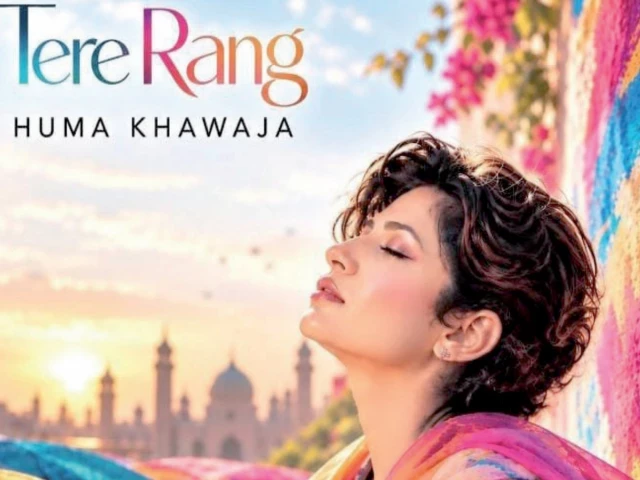
The contemporary landscape of Pakistani independent music is undergoing a profound metamorphosis, characterized by a delicate balancing act between timeless cultural traditions and cutting-edge digital production methodologies. At the vanguard of this artistic evolution is singer-songwriter Huma Khawaja, whose latest Punjabi release, “Tere Rang” (Your Colors), has captured the imagination of listeners across South Asia and the global diaspora. Released in October following a meticulous incubation period that began in January, the track is much more than a conventional romantic single; it is a meticulously crafted auditory and visual exploration of cyclical renewal, emotional resilience, and the transient beauty of the changing seasons.
In an exclusive interview with The Express Tribune, Khawaja articulated the philosophical underpinnings of “Tere Rang”, noting that the track draws its primary creative impetus from the natural world—specifically the poetic transition of autumn fading into the vibrant rebirth of spring. This seasonal metaphor serves as the thematic backbone for a song designed to resonate deeply with the human condition, celebrating the myriad hues of interpersonal relationships, life’s quiet triumphs, and communal festivities.
Beyond its poetic lyricism, “Tere Rang” stands out as a collaborative triumph within the Pakistani music industry. The single brings together an eclectic ensemble of seasoned industry heavyweights and rising talents, featuring production by Lahore-based sonic architect Ali Mustafa, vocal production by Pakistan Idol alumnus Samia Gauhar, and intricate percussive design and mixing by Roshaan Ashraf of the Mehboob Ashraf Band. Furthermore, Khawaja has boldly embraced the digital age by integrating artificial intelligence into the song’s visual storytelling, creating a kaleidoscopic music video that marries traditional Pakistani cultural motifs—such as vibrant festival kites—with futuristic algorithmic artistry.
Read Also
As the South Asian wedding season approaches in the final quarter of the year, “Tere Rang” positions itself as an indispensable cultural soundtrack. Blending accessibility with soulful depth, Khawaja’s latest offering reinforces the enduring power of Punjabi lyricism while demonstrating how modern artists can leverage interdisciplinary collaboration and technological innovation to redefine cultural storytelling.
Detailed Chronology
The genesis, development, and eventual public unveiling of “Tere Rang” reflect a deliberate, patient artistic process that runs counter to the fast-paced, high-turnover demands of the modern digital music market.
Phase 1: Conceptualization and Composition (January)
The project originated during the depths of winter in January, a season historically associated with introspection, quietude, and transition. It was during this period that Huma Khawaja, drawing inspiration from the inevitable turning of the calendar and the cyclical shifts of the natural environment, conceptualized the core framework of “Tere Rang”.
Reflecting on the psychological and emotional necessity of color during transitional phases of life, Khawaja observed:
"As we say, autumn comes after spring. So we need colors. When colors change, that is how it got the name Tere Rang."
This foundational thought dictated the musical and lyrical direction of the track. Rather than rushing the composition, Khawaja allowed the concept to mature, ensuring that the Punjabi lyricism authentically captured the spectrum of human emotion—ranging from melancholic reflection to exuberant celebration.
Phase 2: Production, Collaboration, and Sonic Architecture (February – September)
Once the lyrical and melodic structures were finalized, the project entered an intensive phase of cross-city collaboration and technical refinement. Recognizing the multifaceted demands of modern pop and folk-fusion production, Khawaja assembled a formidable creative team:
- Ali Mustafa (Lahore Studio Production): Tasked with shaping the overarching sonic landscape, Mustafa utilized his state-of-the-art studio facilities in Lahore to construct an upbeat yet emotionally resonant instrumental arrangement. Mustafa’s production expertly bridges traditional Punjabi folk instrumentation with contemporary pop sensibilities, ensuring the track possesses both commercial viability and enduring artistic merit.
- Samia Gauhar (Vocal Production): Drawing upon her extensive experience as a top-six finalist on the high-profile reality television platform Pakistan Idol, Gauhar oversaw the vocal production. Her exacting standards ensured that Khawaja’s delivery retained its organic, soulful warmth while achieving professional-grade vocal clarity and pitch precision.
- Roshaan Ashraf (Percussion and Mixing): Representing the legacy of the Mehboob Ashraf Band, Ashraf contributed critical rhythmic depth to the track. His mastery of percussion drove the upbeat tempo essential for festive settings, while his meticulous ear for mixing guaranteed a balanced, immersive auditory experience across various playback systems, from high-end studio monitors to mobile phone speakers.
Phase 3: Visual Conceptualization and AI Integration (August – September)
Parallel to the final audio mastering, Khawaja turned her attention to the visual companion for “Tere Rang”. In an ambitious move that highlights her willingness to experiment with emerging technologies, the singer chose to utilize artificial intelligence (AI) to generate the music video’s imagery.
Rejecting standard live-action formulas, Khawaja collaborated with AI platforms to synthesize a vibrant tapestry of digital art. The resulting visuals are meticulously designed to mirror the song’s thematic exploration of color, love, and cultural identity. By embedding traditional Pakistani elements—most notably the festive imagery of traditional kites (guddi), which hold profound nostalgic and cultural significance in the region—into algorithmic art generators, the video successfully bridges ancient heritage with modern innovation.
Phase 4: Public Release and Market Introduction (October)
Following months of careful planning, recording, and digital rendering, “Tere Rang” was officially released to the public in October. The rollout strategy was deliberately synchronized with the psychological and cultural rhythms of the South Asian calendar, strategically positioning the track to capture the attention of audiences seeking fresh, meaningful music as the year drew toward its festive climax.
Supporting Context & Metrics
To fully appreciate the significance of “Tere Rang”, one must examine the broader cultural and economic ecosystem of the Pakistani music industry, alongside the specific market conditions governing independent releases in South Asia.
The Resurgence of Punjabi Independent Music
Punjabi has long served as one of the most culturally dominant and emotionally resonant languages in South Asia, particularly within the realms of folk, Sufi, and contemporary pop music. However, the commercial landscape has frequently been dominated by high-budget film soundtracks or heavily commercialized corporate platforms like Coke Studio.
In recent years, the independent music scene—often termed "Indie Pakistan"—has experienced a monumental renaissance, fueled by democratization of digital distribution platforms such as Spotify, Apple Music, and YouTube. Independent artists like Huma Khawaja are capitalizing on this digital shift, bypassing traditional gatekeepers to forge direct, intimate connections with global listeners. “Tere Rang” exemplifies this movement, proving that independent productions can achieve studio-grade polish without sacrificing artistic authenticity.
The Psychology of Seasonal Music Consumption
Music consumption patterns are deeply intertwined with seasonal changes, environmental stimuli, and cultural calendars. Psychological studies consistently demonstrate that listeners seek out specific sonic profiles depending on climate and socio-cultural milestones:
- Winter and Autumn: Tends to drive higher consumption of introspective, acoustic, and soulful ballads.
- Spring and Summer: Correlates with an uptick in upbeat, rhythm-driven, and colorful compositions.
- Festive Seasons (November – December): Dominated by celebratory anthems suited for weddings, family gatherings, and community events.
By deliberately aligning “Tere Rang” with the transitional phase from autumn to winter—and anticipating the peak wedding season—Khawaja has optimized the track’s discoverability and utility. The song’s versatile thematic scope ensures that its application extends far beyond passive listening; it is structurally engineered to serve as a recurring cultural artifact for birthdays, Valentine’s Day celebrations, and matrimonial festivities.
Technological Disruption: AI in Pakistani Music Videography
The integration of Artificial Intelligence into the creation of the “Tere Rang” music video represents a significant milestone in Pakistani music videography. While AI tools have seen widespread adoption in Western creative industries for graphic design and conceptual storyboarding, their application in mainstream South Asian music video production remains relatively novel.
By harnessing AI to render traditional Pakistani cultural symbols—such as vibrant festival skies filled with colorful kites—Khawaja demonstrates how artists with modest independent budgets can bypass the prohibitive costs of traditional cinematic production while achieving a visually stunning, surreal aesthetic. This technological pivot highlights an emerging trend within the global creative economy: the democratization of high-concept visual storytelling through machine learning and generative design.
Official Statements
The artistic philosophy, collaborative ethos, and cultural aspirations driving “Tere Rang” are best understood through the direct words of its creator and the critical appraisal of its production team.
Huma Khawaja on Inspiration, Meaning, and Accessibility
In her comprehensive interview with The Express Tribune, Huma Khawaja elaborated on the multifaceted nature of the project, emphasizing that the song was designed to transcend demographic boundaries:
"As we say, autumn comes after spring. So we need colors. When colors change, that is how it got the name Tere Rang."
Addressing the stylistic choices that define the track’s composition and broad appeal, Khawaja noted:
"It is a cute song, a soulful song. It is about spreading love. It is an easy song that everyone can understand."
She further emphasized that the overarching title, “Tere Rang”, carries a profound symbolic weight that extends far beyond conventional romantic tropes. For Khawaja, "colors" serve as a universal metaphor for human emotion, diversity, and the invisible threads that bind communities together during times of celebration and shared joy.
Behind the Scenes: The Collaborative Vision
While Khawaja anchored the conceptual framework, the realization of “Tere Rang” relied heavily on the specialized expertise of its co-creators:
- Ali Mustafa (Audio Producer): Operating from his established Lahore studio, Mustafa focused on crafting an instrumental bed that marries traditional Punjabi melodic structures with crisp, modern pop production values. His objective was to ensure that the track maintained immediate earworm qualities while retaining the acoustic warmth demanded by Khawaja’s soulful vocal delivery.
- Samia Gauhar (Vocal Producer): Bringing her rigorous vocal training and national platform experience (Pakistan Idol), Gauhar concentrated on extracting maximum emotional resonance from Khawaja’s performance. Her oversight ensured dynamic vocal control, precise phrasing, and a polished mix that cuts cleanly through Mustafa’s intricate instrumentation.
- Roshaan Ashraf (Percussion & Mixing): Representing the storied traditions of the Mehboob Ashraf Band, Ashraf’s contribution was vital in establishing the rhythmic heartbeat of the track. His work on percussive layers provided the driving momentum necessary for festive and wedding environments, while his meticulous spatial mixing ensured optimal clarity across diverse listening environments.
Future Outlook
As “Tere Rang” continues to find its audience across streaming platforms and digital networks, its release marks a pivotal milestone in Huma Khawaja’s artistic trajectory and offers a compelling glimpse into the future of independent Pakistani music.
Expanding the Independent Blueprint
The success of “Tere Rang” provides a replicable blueprint for independent artists operating within South Asia and the broader diaspora. By demonstrating that high-quality, emotionally resonant music can be successfully produced through decentralized, interdisciplinary collaboration—linking vocalists in Karachi with producers in Lahore and percussionists rooted in classical band traditions—Khawaja has illustrated the power of modern musical networking.
Furthermore, her pioneering use of artificial intelligence in music video production signals a broader industry shift. As generative AI tools become more sophisticated and accessible, future independent releases from South Asia are likely to follow Khawaja’s lead, combining traditional cultural iconography with futuristic visual aesthetics to capture global digital audiences.
Upcoming Projects and Tour Prospects
In the wake of “Tere Rang”‘s positive reception, industry insiders and fans alike are eagerly anticipating Khawaja’s next moves. With the South Asian wedding and festival season currently in full swing, the track is projected to experience sustained organic growth across digital streaming algorithms, radio broadcasts, and social media short-form video platforms (such as TikTok and Instagram Reels), where upbeat Punjabi anthems routinely achieve viral saturation.
Khawaja has hinted that the thematic exploration of seasonal transitions and emotional color palettes explored in “Tere Rang” may serve as the foundation for a broader body of work. Whether these future releases manifest as an extended play (EP) or a full-length album, her commitment to blending accessible pop structures with soulful lyricism and technological experimentation ensures her place as a compelling voice to watch in the evolving landscape of contemporary Pakistani music.
Ultimately, “Tere Rang” stands as a vibrant testament to artistic resilience. By drawing inspiration from the eternal cycle of autumn yielding to spring, Huma Khawaja has gifted listeners a timeless reminder that no matter how stark or quiet life’s transitional phases may seem, the colors of joy, love, and community will inevitably return.




Comments
Facebook App ID not configured. Please add it in the Customizer.