
Executive Overview
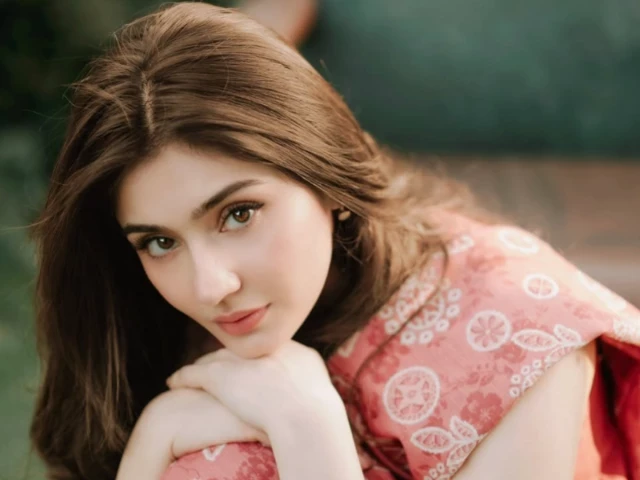
In the contemporary landscape of Pakistani television drama, few characters have sparked as much intense debate, audience polarization, and online discourse as Zaryab, the central protagonist of the hit series Dar-e-Nijaat. Portrayed with nuanced emotional depth by acclaimed actor Durefishan Saleem, Zaryab’s journey through profound heartbreak, self-doubt, and a complex dynamic with Abu Bakr—played by Sheheryar Munawar—has held viewers spellbound. Yet, the character’s choices have not gone without criticism, prompting fiery debates across social media platforms regarding female agency, self-worth, and the romanticization of patience in relationships.
In a wide-ranging, candid interview with the Khaleej Times, Durefishan Saleem stepped forward to unpack the psychological architecture of Zaryab. Rather than offering a defensive posture against her character’s detractors, the actor embraced the controversy, articulating a profound perspective on human vulnerability, the dangerous societal expectations placed on strong women, and the blurry line between compromise and the erosion of personal identity. Furthermore, Saleem pivoted the conversation toward the macro-level systemic issues plaguing the Pakistani entertainment industry, voicing sharp critiques regarding channel-driven monopolies, the stifling of independent producers, and the rigid constraints that continue to limit creative risk-taking in local television.
This in-depth feature explores Saleem’s reflections on Dar-e-Nijaat, dissecting her philosophy on acting, the intricate psychology of modern relationships, and her ambitious vision for the future of South Asian storytelling across emerging cinematic and streaming platforms.
Read Also
Detailed Chronology of the Discourse Surrounding Dar-e-Nijaat
The cultural footprint of Dar-e-Nijaat has expanded far beyond the traditional metrics of television ratings, transforming into a cultural touchstone that prompts audiences to re-evaluate their personal paradigms of love, pain, and emotional resilience.
The Genesis of Controversy: Zaryab’s Choices
From the onset of the series, Zaryab’s narrative arc was designed to test the audience’s patience and empathy. When confronted with devastating emotional betrayal and heartbreak by those she trusted, Zaryab did not immediately adopt the archetype of the unflinching, vengeance-seeking modern heroine. Instead, the narrative exposed the messy, often uncomfortable reality of trauma: self-blame, psychological disorientation, and a fracturing of identity.
As viewers tuned in week after week, a schism emerged within the fandom. While one faction praised the raw, unflinching depiction of a woman buckling under psychological strain, another vocal contingent expressed frustration, questioning why Zaryab repeatedly compromised her boundaries or tolerated ambiguous emotional treatment. This friction transformed the drama into a weekly forum for public debate.
The Dynamics of Abu Bakr and the Myth of "Unrealistic Kindness"
Central to the plot is Zaryab’s evolving relationship with Abu Bakr, brought to life by Sheheryar Munawar. Abu Bakr’s character stands apart from standard television tropes through his unwavering emotional maturity, patience, and gentle disposition. However, this very kindness drew skepticism from segments of the audience who argued that such emotional intelligence is unrealistic within the framework of modern romantic dramas.
Saleem, however, vehemently pushed back against this cynicism. She argued that framing basic human decency, patience, and emotional maturity as "too good to be true" reveals a troubling societal resignation to toxic relationship dynamics. For Saleem, Abu Bakr’s character is not a fairy-tale fabrication, but rather a necessary reminder of the gentleness that should form the baseline of interpersonal connections.
The Climax of Public Debate
As the narrative trajectory of Dar-e-Nijaat reached its critical turning points, the discourse transcended the fictional realm. Viewers were no longer merely critiquing a script; they were actively negotiating their own lived experiences, unearthing personal grief, and questioning the compromises they themselves had made in their romantic lives. The character of Zaryab became a mirror for the collective emotional baggage of the audience, cementing the drama’s status as one of the most culturally significant television events of the season.
Supporting Context & Metrics: The Anatomy of Modern Pakistani Drama Audiences
To fully comprehend the gravity of the discussions surrounding Dar-e-Nijaat, one must examine the unique socio-cultural ecosystem of the Pakistani television industry—commonly known as the drama serial circuit—and the distinct demographic engagement it commands.
The Reach and Resonance of Pakistani Television
Pakistani drama serials occupy a unique global niche. Unlike episodic western television or high-octane cinematic releases, prime-time television serials in Pakistan air multiple times a week, capturing the undivided attention of millions of households domestically and a massive diaspora spread across the Middle East, Europe, and North America. This hyper-frequent engagement creates an intimate, almost parasocial relationship between the audience and the characters on screen.
- Demographic Engagement: Women, particularly independent and working women navigating traditional and modern societal expectations, form a significant portion of the core audience. Consequently, narratives addressing female identity, emotional suppression, and the quest for genuine companionship resonate on a profoundly personal level.
- The Echo Chamber of Social Media: Platforms like X (formerly Twitter), Instagram, and YouTube serve as real-time focus groups. Viewers dissect individual scenes, analyze micro-expressions, and wage cultural wars over moral high ground, turning character arcs into ideological battlegrounds.
The Psychology of Female Independence vs. Vulnerability
Saleem’s analysis of Zaryab taps into a broader sociological discussion regarding the double standards applied to independent women. In contemporary media, "strong female characters" are frequently written as invulnerable monoliths—women who require no emotional support, harbor no self-doubt, and navigate heartbreak with clinical detachment.
Saleem challenges this reductive trope by asserting that professional and personal independence does not inoculate a woman against the need for tenderness. The expectation that a self-sufficient woman must perpetually be the pillar of strength in a relationship creates a silent, crushing burden. Dar-e-Nijaat, through its flawed protagonist, forces the audience to confront this uncomfortable truth: even the strongest individuals require a safe space to fall apart.
Official Statements & Insights from Durefishan Saleem
In her landmark interview with the Khaleej Times, Durefishan Saleem articulated a sophisticated philosophy regarding her craft, her character, and the broader mechanics of human relationships. The following direct insights highlight her intellectual engagement with the material:
On Character Portrayal vs. Moral Endorsement
Addressing the fierce criticism directed at Zaryab’s decisions, Saleem drew a clear boundary between empathy and endorsement. She emphasized that an actor’s allegiance is to psychological truth, not moral perfectionism.
"With Zaryab, I was interested in the very human reality of what happens when a woman is shattered by someone she loves. She may begin to blame herself, lose sight of her own worth or struggle to recognise the person she has become. That doesn’t mean the story is endorsing her suffering; it may simply be trying to understand it."
Furthermore, Saleem asserted that artistic integrity requires holding up a mirror to society rather than lecturing the viewer on how to feel:
"I don’t think an actor’s job is to tell the audience what to think. It’s to bring a character to life honestly enough that people feel compelled to think about her for themselves."
On the Deconstruction of Love and Compromise
Saleem offered a sharp critique of conventional romantic sacrifices, distinguishing between healthy emotional adjustment and the wholesale abandonment of personal values.
"The question is whether that compromise comes from a place of understanding or from a fear of losing someone. There’s a difference between adjusting your expectations and abandoning your values."
"When you repeatedly silence yourself or question your worth or become someone you don’t recognise just to keep a relationship alive, I think it’s worth asking what you’re really holding on to."
Crucially, she redefined the fundamental purpose of partnership for independent individuals:
"When a woman is independent and has built a life for herself, she isn’t necessarily looking for someone to complete her. She’s looking for someone with whom she can share the life she’s already built."
"Love should allow you to evolve, not require you to disappear. You should be able to look at yourself in the mirror and still recognise the person looking back."
On Vulnerability and the Burden of Strength
Highlighting the emotional isolation often experienced by high-achieving or self-reliant women, Saleem made a passionate plea for unconditional gentleness.
"Perhaps the hardest thing to ask for is the freedom to be vulnerable. When you’re perceived as strong, successful or capable, people sometimes forget that you, too, need reassurance, tenderness and a safe space to fall apart."
"The most beautiful kind of love is one where you don’t have to earn gentleness by being strong all the time."
On Healing and the Mythology of "Moving On"
Challenging traditional tropes of closure, Saleem introduced a more mature, realistic perspective on recovering from heartbreak.
"We use the phrase moving on as though healing means reaching a point where someone no longer matters to us. I’m not sure that’s always true. Sometimes a person changes you and that experience becomes part of your story, even when the person is no longer part of your life."
"Letting go is less about forgetting someone and more about no longer allowing the experience to define you. Perhaps healing is learning to look back without wanting to return."
Future Outlook: Industry Critiques and Professional Ambitions
While Dar-e-Nijaat continues to dominate ratings and dinner-table conversations, Saleem’s gaze is fixed firmly on the broader structural realities of the Pakistani entertainment industry. Her commentary sheds light on the growing pains of a sector poised at a critical crossroads between traditional television models and modern, alternative media platforms.
The Monopoly of Television Channels
Despite acknowledging the unmatched reach and deeply entrenched loyalty of the Pakistani television audience, Saleem did not shy away from voicing systemic frustrations regarding creative control. In Pakistan, major television networks frequently function as vertically integrated conglomerates, holding absolute authority over casting, scripting, and post-production metrics.
- The Stifling of Independent Producers: Saleem pointed directly to the systematic decline of independent production houses as a major impediment to artistic innovation. When networks dictate every creative parameter to mitigate financial risk, writers and actors are forced to operate within rigid, predictable formulas.
- The Resistance to Experimentation: The actor highlighted how this corporate control directly limits the industry’s ability to explore diverse genres, non-linear narratives, and morally ambiguous character studies that deviate from standard family-drama tropes.
Navigating Cinema, OTT Platforms, and the Search for Substance
As streaming services (Over-The-Top or OTT platforms) and modern cinematic ventures slowly carve out a space in the Pakistani market, artists are increasingly presented with alternative avenues for expression. However, Saleem maintains a pragmatic and discerning approach toward career diversification.
- Purposeful Transitions: Eschewing the notion of transitioning to cinema or streaming merely for the prestige or novelty of the medium, Saleem insists that format shifts must be justified by narrative depth. "It’s not simply to work in cinema or OTT for the sake of it. It’s to find stories that demand something new from me," she explained.
- The Evolution of Storytelling: Her ultimate ambition remains tethered to character-driven narratives that push the envelope, challenge societal norms, and refuse to pander to the lowest common denominator of mass entertainment.
Conclusion: The Lasting Legacy of Zaryab
As Dar-e-Nijaat moves toward its dramatic conclusion, the character of Zaryab—anchored by Durefishan Saleem’s fearless, empathetic performance—will undoubtedly leave an indelible mark on Pakistani television. By choosing to embrace the messy, uncomfortable realities of female vulnerability and self-reclamation, Saleem has elevated the discourse surrounding contemporary drama.
More than just a television star delivering high-rated performances, Saleem has proven herself to be an articulate cultural commentator, unafraid to interrogate the psychological nuances of human relationships while simultaneously demanding a more progressive, courageous, and structurally liberated future for the industry she serves.


Comments
Facebook App ID not configured. Please add it in the Customizer.