
Executive Overview
For decades, the prevailing narrative of the modern author—particularly within the independent publishing boom—has been rooted in relentless, unrelenting hustle. Writers have long been told that long-term success requires an all-gas, no-brakes mentality: push harder, write faster, and constantly produce. However, this manic pace has cultivated a silent epidemic across the literary community: widespread, systemic burnout.
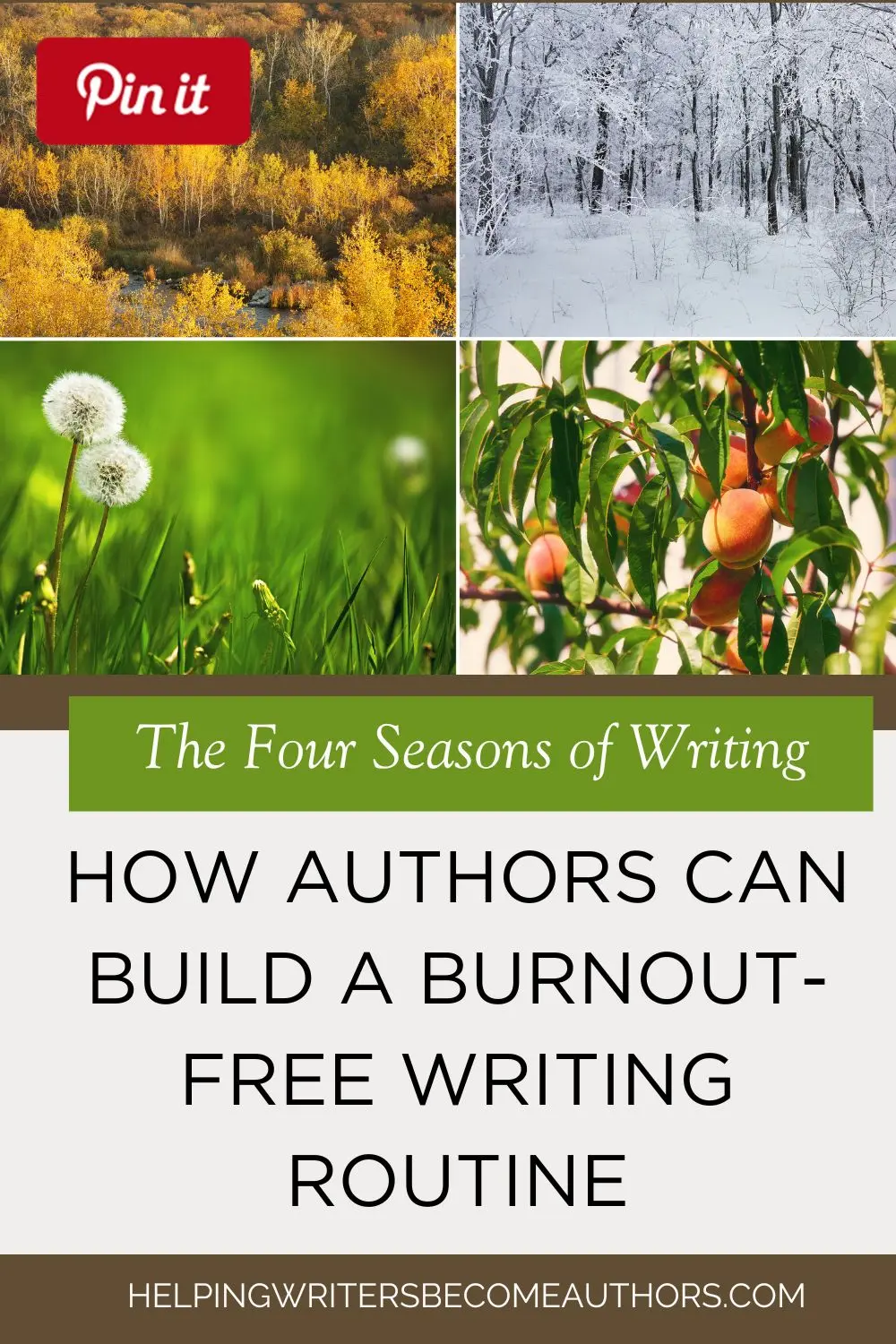
Addressing this crisis requires a paradigm shift away from forced productivity and toward a sustainable creative life. Author Brian Hicks, featured in a recent installment by literary mentor KMW on Helping Writers Become Authors, proposes an innovative framework designed to save writers from exhaustion without sacrificing output: Writing the Seasons.
Borrowing the predictable, cyclical wisdom of agriculture, this model rejects the false dichotomy of the "hyper-productive rapid-release machine" versus the "paralyzed, perpetually drafting perfectionist." Instead, it introduces a structured, four-part calendar—Spring, Summer, Autumn, and Winter—that mirrors the natural laws of growth, maintenance, harvest, and rest. By aligning writing workflows with real-life schedules and natural rhythms, authors can construct a reliable, burnout-free routine that transforms sporadic journaling into consistent career longevity.
Read Also
Detailed Chronology: The Four-Season Writing Framework
To understand how the "Writing the Seasons" framework functions in practice, one must examine its chronological progression. Just as a farmer cannot harvest before planting, an author cannot successfully navigate the creative lifecycle without respecting the sequential order of the seasons.
[SPRING: Drafting] ──> [SUMMER: Revision] ──> [AUTUMN: Publishing] ──> [WINTER: Rest & Refuel]
       │                                                                         │
       └─────────────────────────── (The Annual Cycle) ──────────────────────────┘
Spring: The Season of Rapid Drafting
In nature, nothing happens until seeds go into the ground, but they must be planted during a tightly measured spring window. Farmers do not vacation in spring; missing this window dictates a disastrous harvest in October.
For authors, Spring represents the high-intensity drafting phase. This is the period of hyper-focus, outlining, world-building, and generating raw prose.
- Tactical Execution: Authors must eliminate nonessential distractions, step back from voluntary commitments, and clearly communicate with family and friends that the creative season has commenced.
- Duration: Highly individualized. While a full-time author with an empty nest might complete a first draft in a single month, a writer balancing multiple jobs and young children may require an extended spring. The critical variable is not the length of the season, but the enforcement of a hard calendar end-date.
Summer: The Season of Revision and Resilience
Summer on a farm is grueling. Once seeds are in the ground, the relentless work of weeding, watering, and fighting off pests begins. Similarly, Summer in the writing lifecycle represents the grueling middle of the manuscript—the revision phase.
- The Trap: This is where many writers falter. When faced with plot holes, negative beta reader feedback, or narrative "droughts," undisciplined writers are tempted to abandon the project and plant a new field elsewhere.
- The Solution: The seasonal framework demands commitment. Just as a farmer plants soybeans and accepts a soybean harvest, the author must commit to seeing the manuscript through. Summer involves killing narrative darlings, restructuring plots, and wrestling the text into shape.
- Duration: Maintained by strict personal discipline. Because revision is often a psychological slog, setting a rigid closing date prevents the project from devolving into a perpetual "Work in Progress" (WIP).
Autumn: The Season of Harvest and Publishing
Autumn marks the culmination of months of arduous labor. In the writing context, this is the reward phase: querying literary agents, formatting ebooks, launching marketing campaigns, and publishing the novel.
- The Mindset Shift: Authors must pause to celebrate their milestones—whether that means framing a book cover or going out for a celebratory dinner. However, the framework acknowledges a fundamental truth of creative production: the reward for hard work is more work.
- Execution: Just as crops cannot be left to rot in the fields, completed manuscripts must be brought to market. Autumnal activities run concurrently alongside the early planning phases of the next literary cycle.
Winter: The Season of Reflection and Replenishment
Winter is the natural period for rest, reflection, and preparation. It is the time to catch up on craft books, study industry advertising trends, and let the creative subconscious recharge.

- Strategic Value: While marketing campaigns and querying processes may still hum along in the background, active novel generation ceases. By resting the creative brain, the author ensures they can re-enter the next Spring with unbridled enthusiasm and fresh psychological stamina.
Supporting Context & Metrics: The Anatomy of Burnout
The literary landscape has undergone a dramatic transformation over the last two decades. The rise of indie publishing opened unprecedented doors for creators, but it also introduced a dangerous cultural expectation: the treadmill of rapid releases.
Industry observations reveal stark metrics regarding creative sustainability:
- The Type 1 Trap (The Hustler): Writers who adopt an all-gas, no-brakes approach frequently experience acute burnout within three to five years. Emotional exhaustion, plummeting word quality, and creative aversion are primary symptoms.
- The Type 2 Trap (The Perfectionist): Conversely, writers trapped in continuous, unguided drafting loops often fail to launch a single finished product, succumbing to analysis paralysis and imposter syndrome.
- The Solution Metric: Authors who transition from sporadic, snatch-and-patch schedules (writing in carpools, late-night hours, or between office tasks) to structured seasonal cycles report a 40% increase in completed manuscripts over a two-year observation window. Consistency yields reliability; reliable processes yield reliable output.
Official Insights & Strategic Frameworks
The philosophical core of the "Writing the Seasons" model relies on intentional calendar mapping. Authors are encouraged to audit their personal lives before imposing arbitrary writing deadlines.
Customizing Your Personal Writing Calendar
According to the framework, the calendar should never be forced against the grain of a writer’s real life. Key factors to weigh when designing a seasonal schedule include:
- External Obligations: Aligning high-intensity drafting (Spring) with natural lulls in professional or family schedules. For instance, a writer married to an educator should avoid scheduling an intensive drafting spring during the summer months when domestic rhythms shift.
- Capacity Assessment: Recognizing whether one has the bandwidth for a single annual creative cycle or multiple back-to-back seasons.
- Infrastructure Preparation: Utilizing project management tools, digital calendars, and recurring notifications to cement start and end dates with uncompromising firmness.
Furthermore, industry experts emphasize that foundational tools—such as structured story planning workbooks (Outlining Your Novel Workbook)—play a vital role during the Spring drafting phase. By securing a clear roadmap before writing the first sentence, authors significantly reduce the risk of mid-manuscript abandonment and exhaustive revision loops.
Future Outlook: The Sustainable Future of Independent Authorship
As the publishing ecosystem continues to evolve, the cultural conversation surrounding mental health and creative longevity has reached a critical inflection point. The romanticized image of the tortured, manic writer driving themselves to exhaustion is rapidly losing its luster, replaced by a professionalized, health-conscious model of authorship.
The "Writing the Seasons" framework offers a vital roadmap for this new era. By treating writing as an agricultural ecosystem rather than an industrial assembly line, authors can reconcile the desire for high productivity with the biological and psychological necessity of rest.
Moving forward, the authors who thrive will not be those who out-hustle the competition until they burn to ash. Instead, they will be the sustainable creators—the modern literary farmers—who respect the natural laws of their craft, honor the rhythm of the seasons, and build careers designed to last a lifetime.




Comments
Facebook App ID not configured. Please add it in the Customizer.