
Executive Overview
In the architecture of compelling fiction, character arcs function as the dynamic engines driving a plot forward. While real-world personal transformation is often messy, nonlinear, and unprompted, narrative storytelling requires deliberate catalysts. Authors deploy specific symbolic and practical levers to make character evolution feel earned, authentic, and logically sound to the reader. Among the most potent of these mechanisms is the Impact Character.
When writers brainstorm essential narrative roles, they invariably default to the usual suspects: the protagonist, the antagonist, the mentor, the love interest, and the sidekick. Rarely does the "Impact Character" occupy the top of that roster. However, narrative theorists and seasoned editors argue that this oversight compromises character development.

The Impact Character serves as the vital relational mechanism that makes a protagonist’s internal shift believable. By leveraging interpersonal dynamics—where individuals inspire, provoke, or challenge one another—this narrative construct ensures that growth is not born in a vacuum. This comprehensive investigative analysis explores the definition of the Impact Character, differentiates them from traditional antagonists, examines their mechanics within positive and negative character arcs, and highlights upcoming masterclasses designed to help authors master these intricate narrative structures.
Read Also
Detailed Chronology: The Evolution of the Impact Character Concept
To understand how the Impact Character functions in modern storytelling, one must look at how narrative theory has evolved to define internal conflict.

1. The Genesis of Dramatica and "Catalysts"
The terminology of the Impact Character was formally codified by Melanie Anne Phillips and Chris Huntley in their seminal work on narrative structure, Dramatica. They recognized that a story requires a distinct entity to represent the thematic counterweight to the protagonist’s internal struggle. Simultaneously, independent editor and author Roz Morris adopted the equally descriptive term "catalyst character."
Regardless of the nomenclature, the core function remains identical: this is the figure who collides with the protagonist, acts as a catalyst for transformation, and leaves an indelible mark on the protagonist’s trajectory.

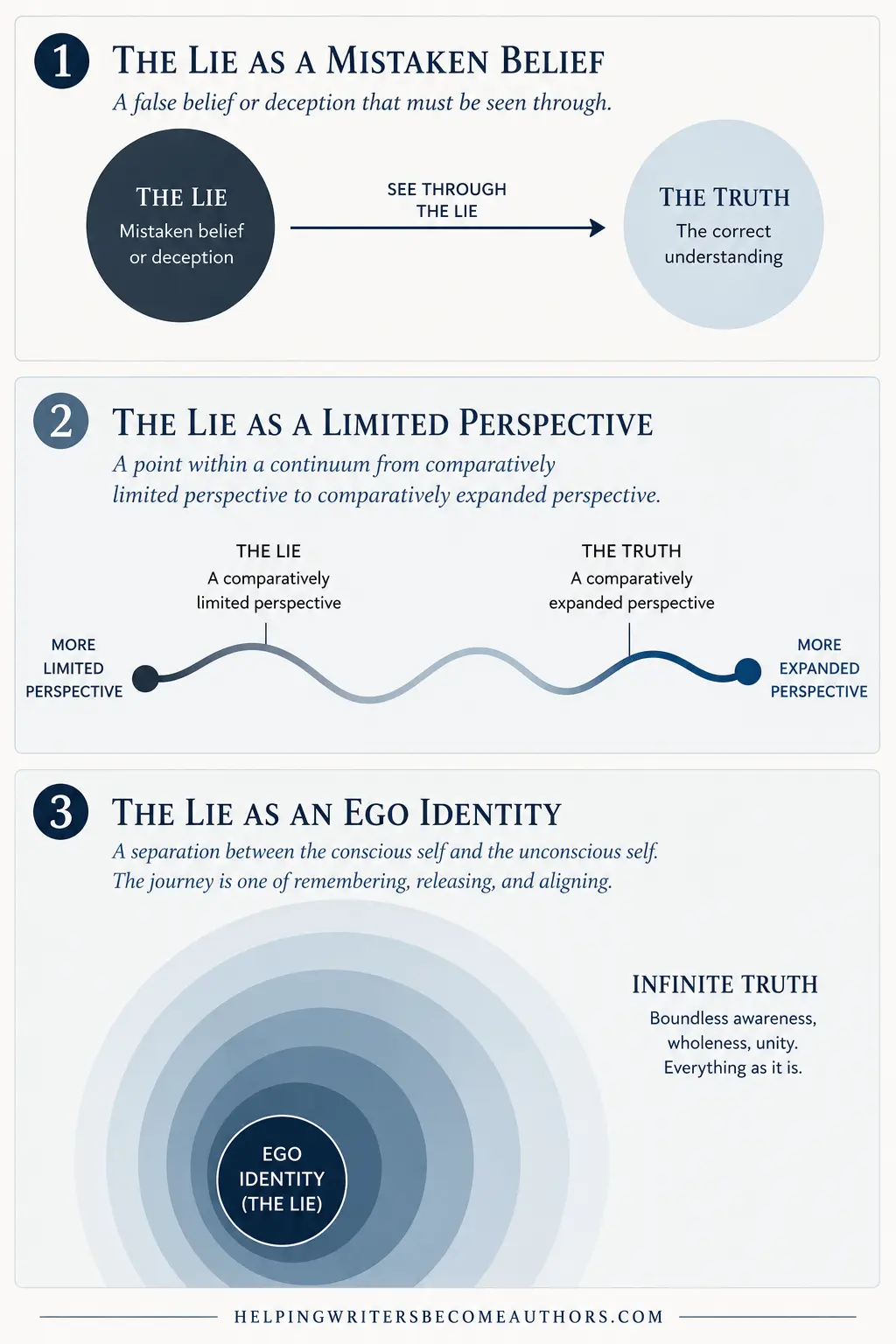
2. Character Arcs 101: The Lie vs. The Truth
To trace how an Impact Character operates chronologically across a standard narrative timeline, an author must first understand the anatomy of a Positive Change Arc:
- The Inciting Belief (The Lie): The story opens with the protagonist laboring under a constrained worldview, an ego identity, or a limited perspective.
- The Interpersonal Collision: As the narrative progresses, the protagonist encounters internal and external pressure, exacerbated by the presence of the Impact Character.
- The Thematic Truth: Representing an expanded, liberating way of engaging with the world, the Truth is championed—often passively or actively—by the Impact Character.
- The Climax of Integration: Through repeated friction with the Impact Character’s worldview, the protagonist is forced to abandon the ineffective Lie and embrace the liberating Truth, ultimately conquering the external antagonist.
Supporting Context & Metrics: Impact Characters vs. Antagonists
A frequent point of confusion for emerging writers is distinguishing between the antagonist and the Impact Character. While both create conflict, their operational domains within the narrative differ fundamentally.

| Narrative Element | The Antagonist | The Impact Character |
|---|---|---|
| Primary Domain | Outer Conflict (Plot-driven) | Inner Conflict (Thematic-driven) |
| Core Source of Friction | Opposing goals and external obstacles | Opposing worldviews and beliefs |
| Alignment | Represents forces working against the story goal | Represents the thematic Truth (or the Lie in negative arcs) |
| Character State | Often dynamic, aggressive, or opposing | Operates fundamentally as a "Flat Arc" character |
The Mechanics of Inner Conflict
While the antagonist attacks the protagonist’s physical safety, plans, or overarching plot objectives, the Impact Character targets the protagonist’s psyche. The protagonist, driven by inertia and the desire to protect their comfort zone, naturally wants to cling to the status quo (The Lie).
However, the persistent presence of the Impact Character continually churns up the protagonist’s awareness of the Truth. Even if the Impact Character is not consciously trying to reform the protagonist, their sheer worldview acts as an abrasive surface, rubbing against the protagonist’s fragile psychological defenses until change becomes inevitable.

Diverse Manifestations in Classic and Modern Cinema
As outlined by narrative theorists, an Impact Character can take many forms across different genres:
- The Mentor Archetype: Figures who guide protagonists into unfamiliar worlds, awakening latent qualities (e.g., Obi-Wan Kenobi in Star Wars: A New Hope).
- The Adversarial Ally: Characters who oppose the protagonist’s methods while ultimately sharing a thematic wavelength (e.g., Mr. Knightley to Emma Woodhouse in Jane Austen’s Emma).
- The Unwitting Catalyst: Characters who possess deep insight into a specific Truth despite lacking overall life experience (e.g., Raymond Babbitt in Rain Man).
- The Romantic Partner: Characters whose lifestyle directly challenges the protagonist’s selfish ambitions (e.g., Miss Sally challenging Lightning McQueen in Pixar’s Cars).
The "Negative" Impact Character and the Flat Arc Exception
While positive impact characters guide protagonists toward emotional maturity, storytellers are not restricted to upbeat transformations.

The Dark Angel of the Negative Change Arc
Can an Impact Character work against the protagonist’s growth? Absolutely. In Negative Change Arcs or tragedies, writers can employ a "negative" Impact Character who aligns directly with the protagonist’s Lie.
Resembling the "Contagonist" archetype found in structural frameworks like Dramatica, this character functions as a seductive force. Whether intentionally or inadvertently, they lure the protagonist deeper into self-deception, encouraging them to maintain the status quo or regress further away from the thematic Truth. This role is essential when crafting cautionary tales where the protagonist ultimately succumbs to their internal flaws.

Do Impact Characters Undergo Arcs?
By definition, a positive Impact Character operates similarly to a Flat Arc character. Because they have already grasped or inherently embody the expanded version of the thematic Truth, they do not need to undergo a personal transformation. Instead, their steadfast nature acts as an anchor, inspiring growth in those around them.
However, being a Flat Arc character does not mean the Impact Character must be a permanent fixture throughout the entire narrative. They may appear consistently across a multi-act journey, or they may cycle through as a series of transient figures who collectively push the protagonist toward enlightenment.

Future Outlook: Deepening Craft Education
For writers looking to refine their understanding of these complex narrative mechanics, advanced educational opportunities are rapidly expanding within the writing community. Masterclasses focusing on relational storytelling, steadfast character types, and structural nuances are helping authors transition from intuitive writing to intentional architectural design.
Industry experts emphasize that a protagonist cannot authentically change without an external catalyst persistently challenging their internal beliefs. As writers map out their next manuscripts, the central question remains: Who or what is persistently opposing your protagonist’s Lie with enough force that they can no longer avoid the Truth?

Educational Masterclasses and Resources
For authors eager to dive deeper into the nuances of character development, upcoming specialized training sessions offer direct engagement with industry professionals:
- Flat Character Arcs: From Transformation to Integration: A live-streamed masterclass exploring how steadfast characters create meaningful narrative resonance, service to others, and powerful thematic impact. (Includes live Q&A sessions).
- Negative Character Arcs: The Hidden Pattern of Self-Deception: A comprehensive session breaking down the structural mechanics of tragic and flawed protagonists.
- Exclusive Bundles: Educational platforms are currently offering multi-class discount bundles (such as a 15% discount on steadfast and tragic character arc packages) for writers looking to round out their structural toolkit.
By deliberately deploying Impact Characters with precision and psychological depth, authors can elevate their stories from simple plots to transformative literary experiences that resonate with readers long after the final page.



Comments
Facebook App ID not configured. Please add it in the Customizer.