
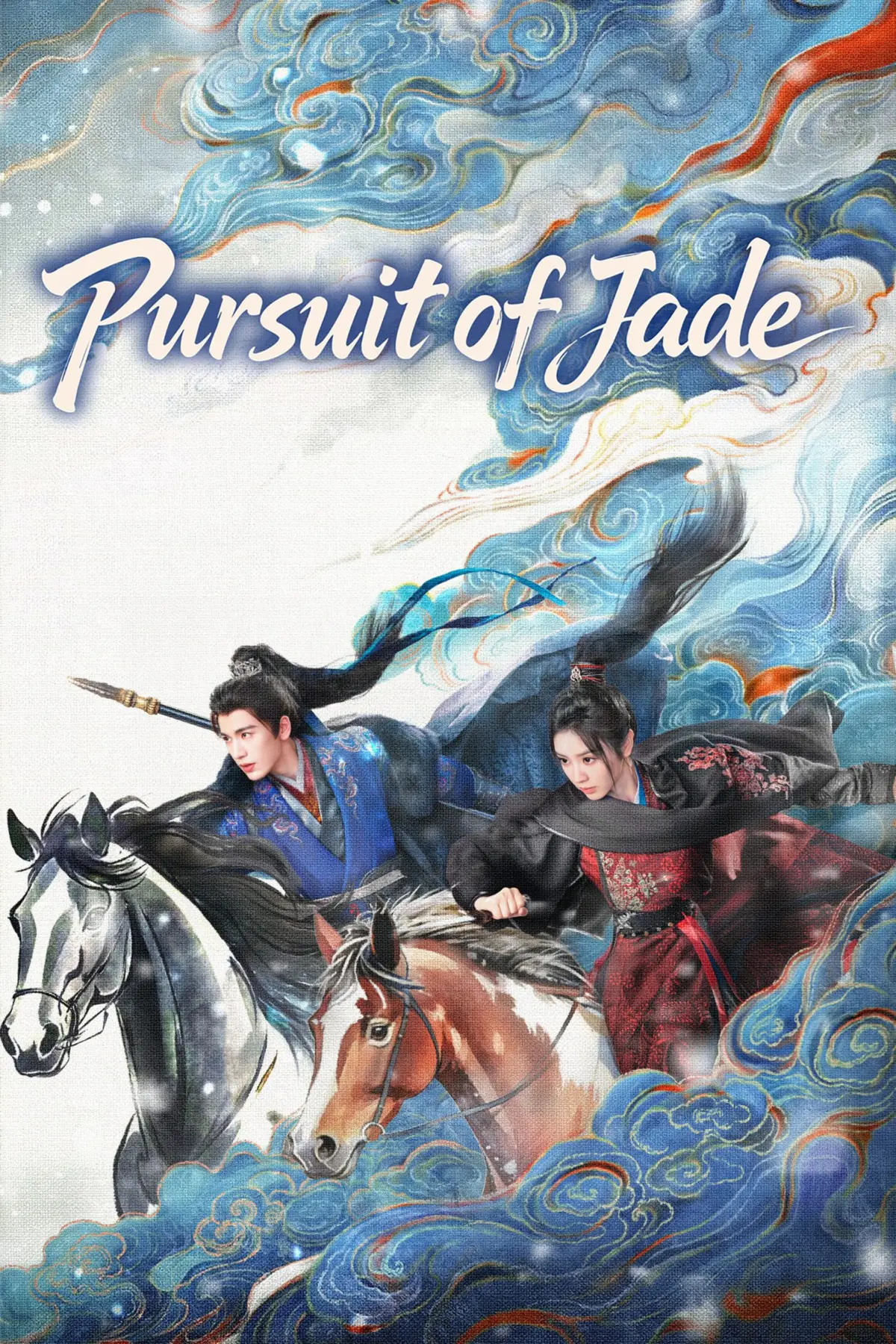
In an era increasingly dominated by the deconstructive irony of the "morally gray" antihero, a profound cultural conversation is quietly unfolding regarding the necessity of unadulterated heroism. While literary and cinematic landscapes frequently celebrate protagonists driven by ambiguity, cynicism, or internal corruption, a counter-movement is re-evaluating the foundational importance of the classic hero’s journey.
This tension between structural protagonists and genuine moral archetypes recently crystallized for author and writing instructor K.M. Weiland. Following an immersive deep dive into the breakout Chinese historical drama Pursuit of Jade, Weiland found herself thrust from aesthetic appreciation into visceral reality when a midnight wildfire threatened her rural Nebraska home amid severe drought conditions.

The convergence of a high-stakes fictional narrative and a genuine environmental crisis offers a compelling framework for analyzing how mythic storytelling functions. Far from mere escapism, heroic narratives serve as a psychological technology—a subliminal priming mechanism that cultivates resilience, activates deep-seated archetypes, and provides individuals with the psychological architecture required to confront unexpected real-world trials.
Read Also
Detailed Chronology: From Fictional Epiphanies to Midnight Evacuations
The intersection of narrative theory and real-world peril occurred over a remarkably compressed timeline, underscoring the immediate psychological impact of immersive storytelling.

Phase 1: The Immersion (Pursuit of Jade)
In mid-2026, Weiland encountered the 40-episode Chinese historical fantasy drama Pursuit of Jade, a series that quickly achieved global streaming success. Set in a fictionalized medieval China, the narrative follows Fan Changyu, a young commoner operating her family’s butchery business to protect her sister after the murder of their parents. Risking her safety, she rescues a mortally wounded man in the snow—who is secretly Xie Zheng, a powerful general and nobleman.
The unfolding narrative incorporates classic mythic elements: a contractual marriage to protect familial inheritance, separation driven by geopolitical warfare, individual transformation through trials, and the ultimate reunification to dismantle an imperial conspiracy. Weiland binged the epic over three days, noting a rare "story high" characterized by sweeping emotional resonance, detailed world-building, and unabashed moral sincerity.

Phase 2: The Midnight Alarm
On the exact night she finished the series, Weiland retired to rest while still psychologically saturated with the themes of steadfastness and courage depicted on screen. At 12:30 AM, her father contacted her with an urgent warning: active wildfires were burning in the immediate vicinity of her rural property.
Residing on the edge of a high-risk timbered zone in Nebraska, Weiland faced a scenario heavily exacerbated by regional climate conditions. Years of low winter snowfall and an extreme, persistent drought had left the timberlands vulnerable, echoing historical dry-spell benchmarks.

Phase 3: Execution and Resolution
Relying on established emergency protocols, Weiland executed her pre-planned evacuation steps while consciously processing the unfolding situation through the emotional lens of the narrative she had just consumed. The imagery, soundtrack, and thematic courage of Pursuit of Jade served as an internal anchor during the adrenaline surge.
Fortunately, the crisis proved short-lived. A sudden, unexpected drop in wind velocity at dusk provided local firefighters and neighboring residents a narrow window of opportunity. The blaze, though towering over nearby structures and advancing on a Red Flag warning day, was contained before it could breach the immediate property line. The physical danger subsided rapidly, yet the psychological footprint of the experience left a lasting impression regarding the practical utility of heroic archetypes.

Supporting Context & Metrics: The Intersection of Climate, Myth, and Media
To understand why a fictional drama could provide such a powerful psychological buffer during a natural disaster, one must examine the broader environmental and psychological metrics framing the event.
The Nebraska Drought and Wildfire Crisis
The real-world stakes of Weiland’s scare are rooted in severe meteorological data affecting the American Great Plains through 2026:

- Precipitation Deficits: Climatological estimates indicate that mid-region timber zones require upward of 14 inches of sustained monthly rainfall simply to stabilize ongoing drought conditions.
- Historical Precedents: The region has faced unprecedented fire activity, notably marked by the Morrill Fire in March—historically the largest blaze in the state’s recorded history—followed by the containment of the South Fork Fire near Fort Robinson.
- Acreage Impact: Cumulative regional fires have consumed nearly one million acres throughout the current year, elevating public anxiety regarding rural wildfire mitigation and emergency preparedness.
The Psychological Mechanics of the Heroic Archetype
From a cognitive and psychoanalytic perspective, the transfer of resilience from fiction to reality relies on archetypal resonance rather than conscious intellectual processing.
| Narrative Concept | Structural Definition | Psychological Function |
|---|---|---|
| Protagonist | The structural driver of plot momentum. | Navigates the external mechanics of the story without moral guarantees. |
| Hero | An archetypal embodiment of courage and virtue. | Bypasses rational thought to activate internal resilience and moral clarity. |
| Shadow / Trial | The descent into darkness, conflict, or near-death. | Tests the character (or reader) to demand psychological transformation and rebirth. |
Citing Carl Jung’s foundational theories on symbolism, narrative experts emphasize that true symbols are spontaneous, naturally occurring products of the unconscious mind. They cannot be artificially manufactured via purely intellectual design. When an author successfully taps into these deep-seated archetypes, the resulting story operates like a tuning fork, resonating within the reader’s psyche to call forth dormant reservoirs of courage.

Future Outlook: Practical Frameworks for Writers
As the literary and cinematic markets continue to balance dark, morally complex narratives with the enduring appeal of the classic hero’s journey, creators are urged to re-examine how they construct transformative arcs. Moving beyond mechanical plot formulas requires a deliberate approach to thematic resonance.
Industry insights and masterclass frameworks point to several key strategies for generating stories that possess genuine psychological impact:

- Cultivating Internal Inspiration: Authors must first access and process these archetypal forces within their own creative workflow before attempting to project them onto characters.
- Prioritizing Archetypes Over Trope Checklists: Moving past superficial plot tropes to focus on sincere, honest emotional delivery ensures characters embody true archetypal weight.
- Diversifying Transformative Models: Utilizing the broader spectrum of the human lifecycle—including transformative archetypes like the King, Queen, Maiden, and Mage—demonstrates that courage takes many forms.
- Balancing Complexity with Clarity: While psychological dimensionality is vital, contemporary audiences frequently respond deeply to straightforward goodness tested by extreme adversity.
Ultimately, the convergence of fiction and fire in Weiland’s experience highlights an enduring truth: stories are not merely passive entertainment. They are an active, vital medium through which human beings communicate across the isolation of existence, providing the mental and emotional tools required to face the unknown when the alarm finally sounds.



Comments
Facebook App ID not configured. Please add it in the Customizer.