In the literary landscape of contemporary American poetry, few voices capture the delicate, fracturing interplay between trauma, memory, and the physical world quite like Gina Franco. Selected as the Poem of the Week for August 3, 2026, Franco’s piece, "Still at Work, the Fault Opens," serves as a profound meditation on the persistence of past grief and the unsettling ways in which historical memory resurfaces in the present. Drawn from her forthcoming manuscript Throne, the poem invites readers into a deeply unsettling domestic and atmospheric landscape where the boundaries between the living and the dead, the helpless and the culpable, blur into obsolescence.
Franco, an accomplished educator and celebrated poet known for her evocative works such as The Accidental (winner of the CantoMundo Prize) and The Keepsake Storm, continues to chart new territory in examining human vulnerability. "Still at Work, the Fault Opens" is not merely a narrative account of a river rescue and its subsequent psychological fallout; it is a complex philosophical inquiry into how the human mind attempts to seek closure when faced with events that defy total comprehension. Through this feature, we explore the anatomy of the poem, the critical acclaim surrounding Franco’s broader literary contributions, and the thematic underpinnings that make this particular verse a landmark achievement in contemporary verse.
Detailed Chronology: The Narrative Architecture of the Poem
To fully appreciate the layered temporal shifts in "Still at Work, the Fault Opens," one must trace the meticulously constructed narrative arc that Franco lays out across its unbroken, breathless stanzas. The poem operates less like a linear story and more like a tectonic plate shifting beneath the surface of everyday consciousness.
The poem opens with a moment of seemingly mundane domestic observation that quickly curdles into unease:
Maybe I shouldn’t have stood / at the window watching the boy whip / the soft-eared dog with his leash / as they passed.
The speaker, newly risen and disoriented in a hospital gown or nightclothes, experiences a momentary lapse in recognition—not just of her surroundings, but of fundamental threats. The outside world intrudes with casual cruelty: a boy beating a dog whose color evokes "embers and wood" and the ominous hues of "flood water once the sun begins to set." This immediate tableau establishes a motif of helplessness and unprovoked aggression that will echo throughout the memory sequences.
2. The Resurgence of the Past
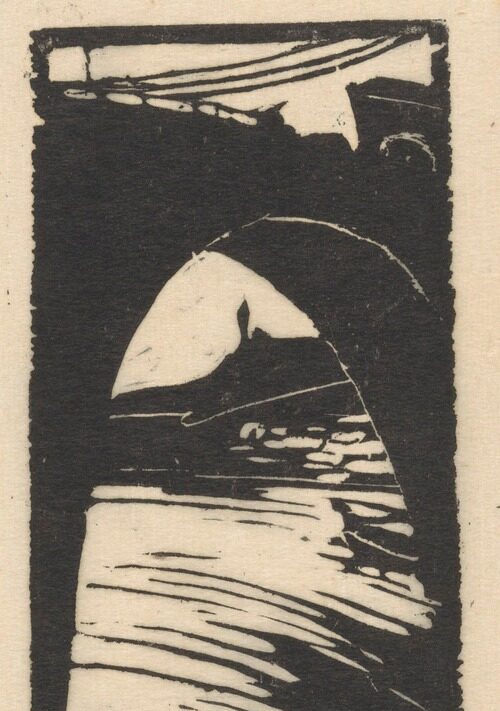
From this window vantage, time collapses. The river below—described hauntingly as hanging "by a thread, seamless river, bottomless bed"—becomes the stage for a traumatic historical event: the speaker’s father plunging from a bridge into the turbulent air and brown floodwaters.
Yet, the recovery described defies standard linear physics and emotional processing. The father emerges not merely as a survivor, but as a mythical, burdened figure:
When my father rose from the water, his / pockets flush with glass, his arms filled / with the white-haired woman he’d pulled / from the car sinking fast to the bottom…
The imagery shifts rapidly between the violent physics of the storm and the stark aftermath at the grandmother’s house. The father strips off his sodden garments, dropping them like corpses into the wet grass while the family watches in dead silence. The dynamics of spectatorship are sharply interrogated here: the dead, or those caught in the act of being looked at, offer no reciprocity. They remain opaque, serving as silent monuments to an unresolved catastrophe.
3. The Echoes of Domestic Trauma
In its closing lines, the poem folds back onto itself, drawing a direct parallel between the public tragedy of the river rescue and private, domestic fractures. The speaker recalls the mother lifting a body "sack over fence, to the bed / of the drive" and a chilling instance where someone was "left to lie / unconscious at my feet."
The poem concludes on a note of paralyzed complicity and eternal vigilance: "Still I stood." The fault line remains permanently cracked, refusing the mind’s desperate desire for a clean, definitive closure.
To understand the weight of "Still at Work, the Fault Opens," one must contextualize it within Gina Franco’s broader literary career. Franco’s work has consistently challenged regional, linguistic, and emotional boundaries, earning her a prominent place in modern American and Latino poetry.
Key Bibliographic Milestones
The Accidental: Published by the University of Arizona Press, this collection earned the prestigious CantoMundo Prize, cementing Franco’s reputation for lyric precision and deep emotional resonance.
The Keepsake Storm: An early exploration of landscape, heritage, and interiority that established her distinct voice.
Anthology Recognition: Her work has been selected for landmark collections, including the Library of America anthology Latino Poetry, edited by Rigoberto González.
Periodical Appearances: Franco’s poems have appeared in many of the nation’s most respected literary journals, including AGNI, The American Poetry Review, Narrative, Poet Lore, Poetry, and 32 Poems.
Academic and Geographic Roots
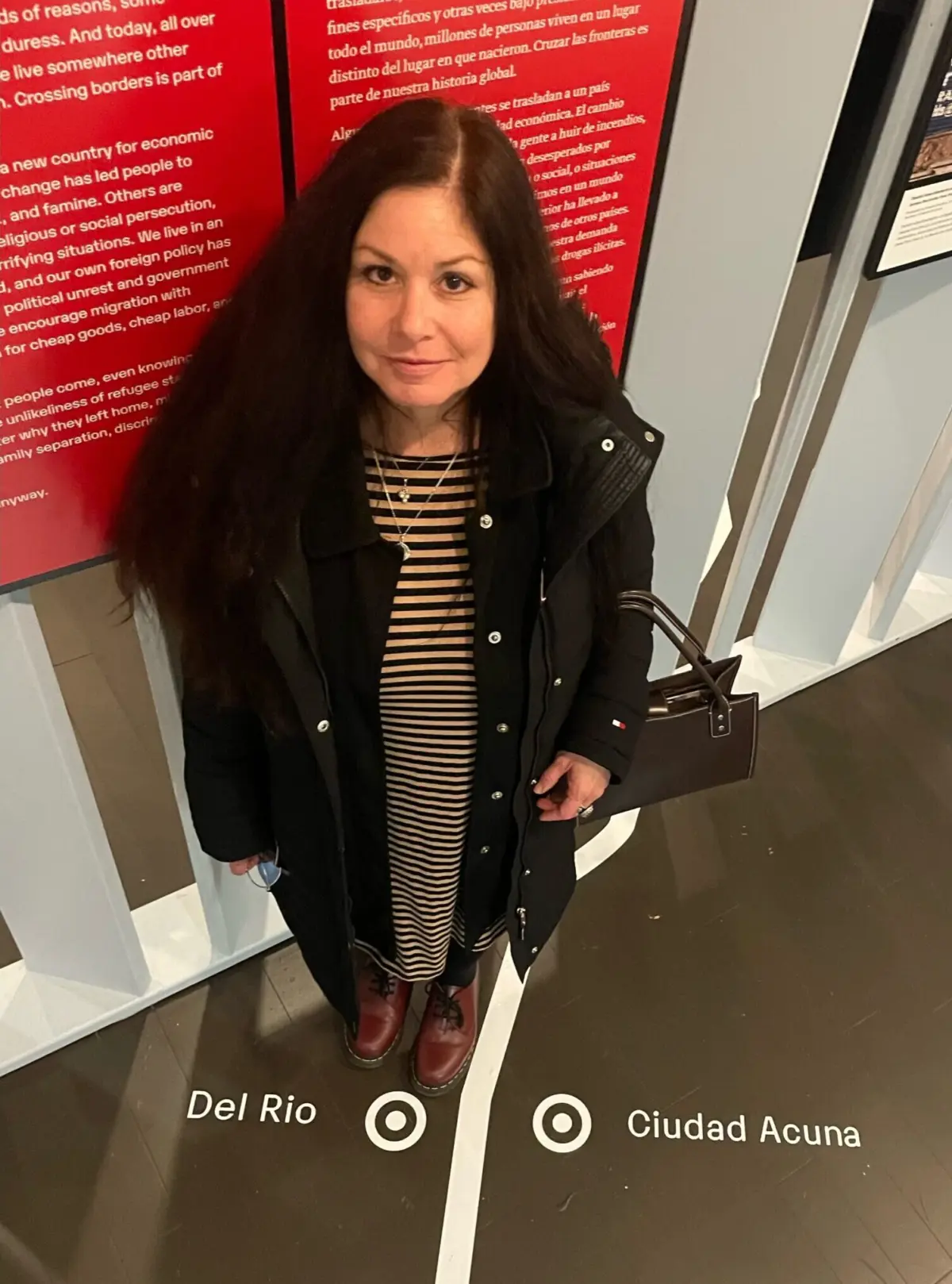
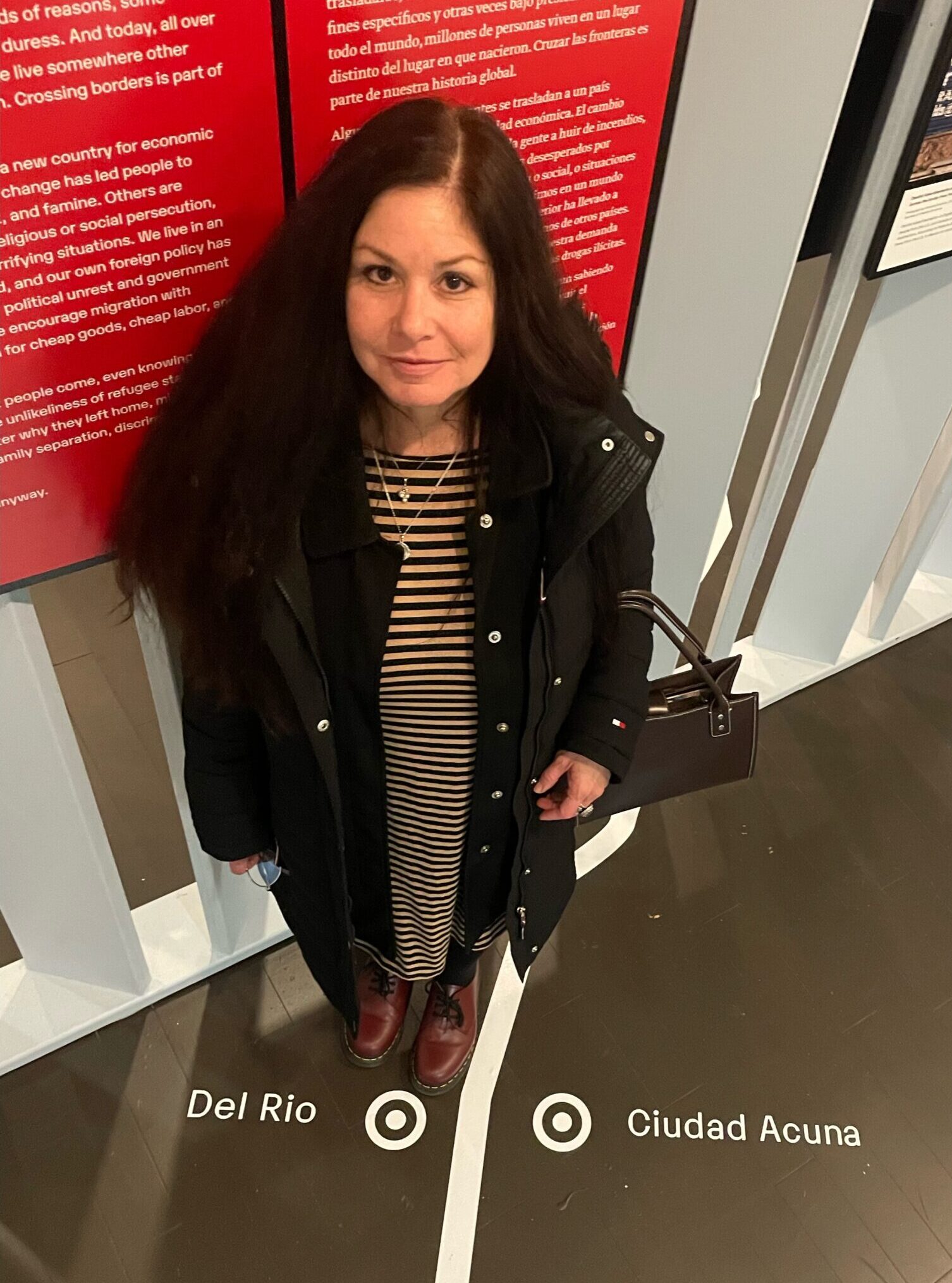
Balancing her academic commitments as a professor at Knox College, Franco divides her time between Galesburg and Chicago, Illinois. This dual existence—navigating the quiet intellectual spaces of a historic college town and the sprawling, industrial pulse of the Midwest—informs the topographical richness of her poetry. Her verses frequently engage with the thresholds of geography, examining what it means to live in the borderlands of memory, class, and memory.
Author’s Perspective: Decoding the "Fault"
In her official author’s note accompanying the publication of "Still at Work, the Fault Opens," Gina Franco provides crucial insight into the thematic mechanics of her manuscript, Throne.
“‘Still at Work, the Fault Opens’ is a poem from my manuscript Throne, and as with many of the poems in the book, it explores experiences where thought seeks closure just as what happened seems both unacceptable and incomprehensible,” Franco explains.
She elaborates on the psychological trap inherent in profound trauma:
“If there is a fault at work, it is that some experiences keep opening beyond the mind’s tendency toward foreclosure. Thrown into experiences that leave us feeling culpable yet simultaneously helpless, memory is tempted to find an adversary.”
This tension between the desire for emotional finality (foreclosure) and the perpetual reopening of old wounds (the fault opening) is the engine that drives the poem. By personifying the mind as having "the mouths / of its many heads," Franco illustrates how internal processing often multiplies our anxieties rather than soothing them. We search for an "enemy"—be it the cruel boy with the dog, the turbulent storm, or the silent family members watching from the yard—because assigning blame feels more manageable than accepting the sheer, unmitigated chaos of human vulnerability.
Future Outlook: The Anticipation of Throne
The selection of "Still at Work, the Fault Opens" as the Poem of the Week by the Missouri Review signals mounting anticipation for Franco’s upcoming poetry collection, Throne. As contemporary poetry increasingly embraces hybrid forms of memoir, lyricism, and psychological excavation, Franco stands out as a master craftsman who refuses easy resolutions.
Critics and readers alike are watching closely to see how Throne expands upon the thematic architecture established in The Accidental and The Keepsake Storm. If "Still at Work, the Fault Opens" is any indication, the forthcoming collection will offer an unsparing, beautifully rendered exploration of grief, familial inheritance, and the enduring resilience of the human spirit.
For those eager to dive deeper into Franco’s work, the poem is currently available for reading via the Missouri Review, alongside an array of contemporary verse that continues to redefine the boundaries of American literature. As we look ahead to the full release of Throne, pieces like this remind us why poetry remains an indispensable medium for mapping the invisible fault lines of our lives.








Comments
Facebook App ID not configured. Please add it in the Customizer.