
Executive Overview
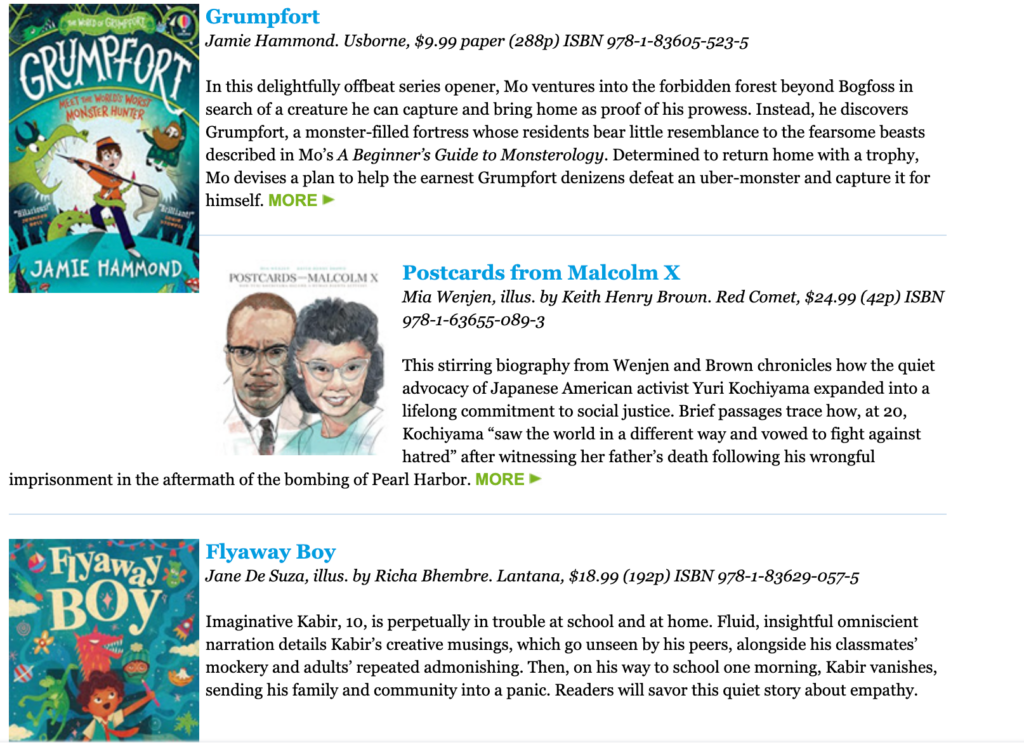
In the landscape of contemporary children’s literature, biographical picture books serve as critical entry points for young minds, transforming historical figures from distant names in textbooks into relatable champions of human rights. Among the most anticipated and critically celebrated additions to this genre is Postcards from Malcolm X: How Yuri Kochiyama Became a Human Rights Activist, authored by Mia Wenjen and illustrated by Keith Henry Brown. Published by Red Comet Press, the 42-page biographical work targeted at readers aged 8 to 12 has officially captured the attention of premier literary review institutions, securing a coveted review from Publishers Weekly alongside critical nods from Kirkus Reviews and the School Library Journal.
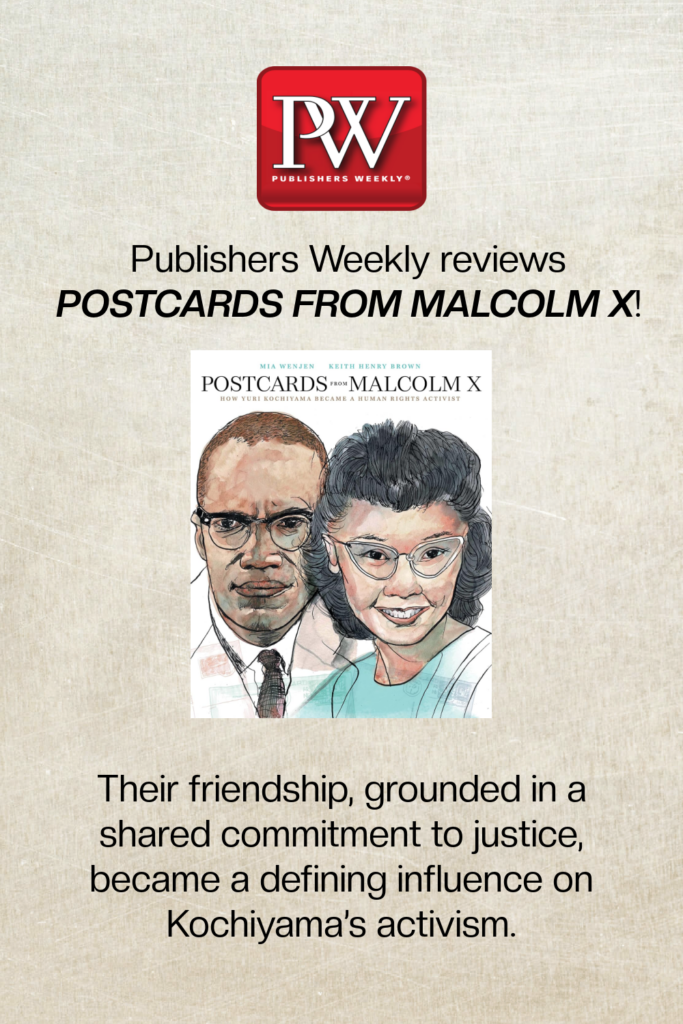
This comprehensive overview delves into the heart of Wenjen’s narrative, tracing the profound, formative trauma that catalyzed Yuri Kochiyama’s lifelong journey, her unique vehicle for civil rights advocacy through correspondence, and her historic, transformative bond with Malcolm X. Furthermore, this report contextualizes Postcards from Malcolm X within Wenjen’s broader literary ecosystem—which champions multicultural narratives, social justice, and historical truth—and provides educators, librarians, and parents with an exhaustive blueprint of the multi-media resources available to support the book’s integration into classrooms and homes.
Detailed Chronology: The Evolution of an Activist
To understand the resonance of Wenjen and Brown’s work, one must examine the timeline of Yuri Kochiyama’s life as rendered through the accessible yet unflinching lens of Postcards from Malcolm X.
Read Also

Formative Trauma and the Awakening of Conscience
Born in 1921, Yuri Kochiyama lived a relatively quiet life until the geopolitical shockwaves of the December 7, 1941, bombing of Pearl Harbor upended the Japanese American community. In the immediate aftermath, Kochiyama’s father was wrongfully imprisoned by the United States government. The stress, maltreatment, and abrupt arrest severely impacted his health, ultimately leading to his death shortly after his release.

As captured in the biography, this devastating loss served as a pivotal crucible. At just 20 years old, Kochiyama "saw the world in a different way and vowed to fight against hatred." Following this institutional betrayal, Kochiyama and her family—alongside tens of thousands of other Japanese Americans—were forcibly removed and sent to a wartime incarceration camp.

Letters as a Lifeline: The Birth of a Protester
Confined behind barbed wire, Kochiyama discovered that standard avenues of expression were heavily restricted, but the written word remained open. She meticulously packed stationery, envelopes, and stamps before entering the camp. In the ecosystem of the incarceration facility, "Letters were her lifeline."

More than mere personal communication, these letters became Kochiyama’s primary vehicle for protest, connection, and systemic change. Through this early discipline of letter-writing, she cultivated a global perspective and forged a habit of solidarity that would transcend her immediate physical confinement.

Moving to Harlem and the Path to Malcolm X
Following the conclusion of World War II, Kochiyama married and eventually settled in Harlem, New York. Immersed in a vibrant and politically charged community, she and her family deeply integrated themselves into local social movements, frequently participating in demonstrations advocating for the rights of Black and Puerto Rican workers.
Her active presence on the front lines of social justice eventually led to her arrest during a protest. That arrest brought her to a Brooklyn courthouse, an administrative detour that would alter the course of American civil rights history: it was there that she met Malcolm X.
A Transcendent Friendship Forged in Ink
The bond between Kochiyama and Malcolm X was rooted in a shared, unyielding commitment to human rights, intersectional justice, and liberation. When Malcolm X embarked on his extensive travels overseas in 1964, the two maintained a steady, deeply philosophical correspondence. Postcards from Malcolm X highlights how these exchanges—and the postcards that carried them—sustained their collaboration and left an indelible mark on Kochiyama’s lifelong trajectory as an activist.
Mia Wenjen’s conversational prose, paired with Keith Henry Brown’s loose ink and watercolor artwork, successfully bridges historical gravity with emotional warmth, painting an energetic and deeply human portrait of a civil rights icon. The volume concludes with extensive back matter designed to guide young readers through historical contexts and further research.
Supporting Context & Metrics: Critical Reception and Publishing Data
The commercial and critical launch of Postcards from Malcolm X underscores its significance in the middle-grade and children’s nonfiction market.

Publication Specifications
- Postcards from Malcolm X: How Yuri Kochiyama Became a Human Rights Activist
- Author: Mia Wenjen
- Illustrator: Keith Henry Brown
- Publisher: Red Comet Press
- Release Date: Fall (October)
- Retail Price: $24.99 (Hardcover)
- Page Count: 42 pages
- Target Audience: Ages 8–12
- ISBN: 978-1-63655-089-3
Critical Consensus
Major literary review boards have universally praised the book for its approachable yet rigorous engagement with complex historical intersections:
- Publishers Weekly: Praised the book for chronicling how quiet advocacy expanded into a lifelong commitment, highlighting the approachable prose and the warm, energetic visual dynamic created by Brown’s ink-and-watercolor illustrations.
- Kirkus Reviews & School Library Journal: Both publications have added their voices to the chorus of critical approval, validating the book’s value as an essential classroom and library resource.
Official Statements and Media Ecosystem
The rollout of Postcards from Malcolm X is supported by a rich multimedia campaign orchestrated by Mia Wenjen through her platform, PragmaticMom. This ecosystem is designed to provide educators, parents, and young readers with deep-dive interviews, unboxing videos, and official book trailers.
Author and Illustrator Insights
In tandem with the book’s release, Wenjen published an exclusive Q&A with illustrator Keith Henry Brown (PragmaticMom, September 2026), shedding light on the artistic decisions behind the watercolor and ink aesthetic. Brown’s artwork deliberately avoids stiff academic illustration, opting instead for a loose, flowing style that mirrors the fluidity of handwritten correspondence and the warmth of human connection.
Promotional and Educational Assets
- Official Book Trailer: A professionally produced cinematic trailer capturing the thematic core of the book (available via YouTube and embedded across educational resource pages).
- Unboxing Content: Designed to build community excitement and provide a tactile introduction to the physical book object.
- Speaking Engagements: Wenjen’s ongoing advocacy work—including keynotes at events such as the 4th Annual Greater Roxbury Book Fair—continually emphasizes the urgency of diverse multicultural narratives under banners like
#ReadYourWorldand#LisaClineRansomNote.
Future Outlook: Mia Wenjen’s Expanding Literary Universe
Postcards from Malcolm X does not exist in a vacuum; rather, it is a crown jewel in Mia Wenjen’s extensive and celebrated bibliography of multicultural, historical, and environmental children’s literature. As educators and institutions increasingly seek out literature that highlights cross-cultural solidarity, Wenjen’s works provide a cohesive framework for empathy and historical literacy.
Companion Works and Recent Releases
- Barbed Wire Between Us (Illustrated by Violeta Encarnación, Red Comet Press): A complementary exploration of Japanese American resilience and historical memory, complete with a free, downloadable teacher’s guide and dedicated music video assets.
- Fortune Cookies for Everyone! (Smithsonian) (Illustrated by Colleen Kong-Savage): Explores the surprising, cross-cultural history of a beloved treat.
- The Traveling Taco: The Amazing and Surprising Journey of Many of Your Favorite Foods: Traces the diverse global roots of everyday foods, paired with original companion songs and book trailers.
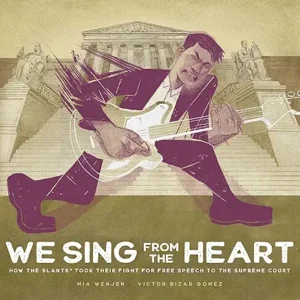
- We Sing from the Heart: How the Slants® Took Their Fight for Free Speech to the Supreme Court: Chronicles the landmark First Amendment battle of the Asian American dance-rock band.
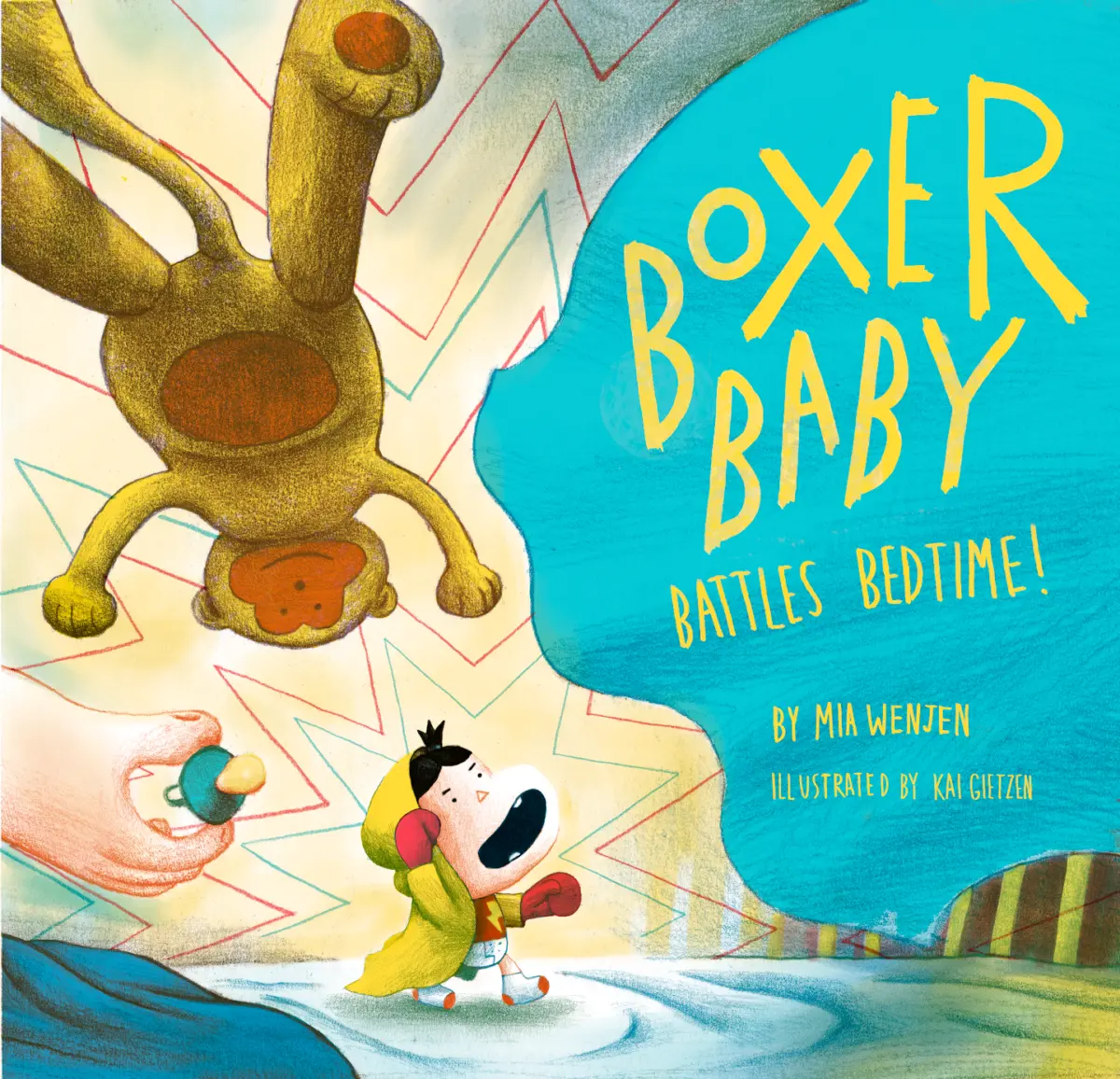
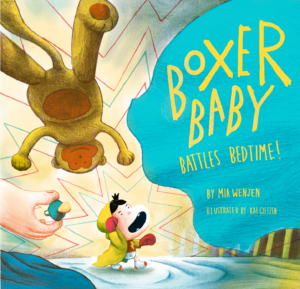
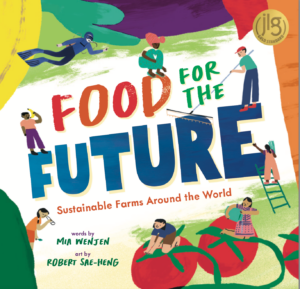
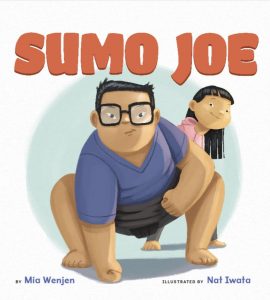
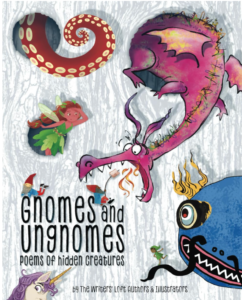
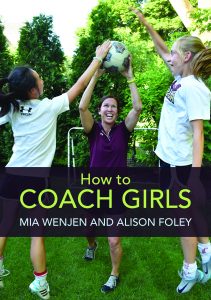
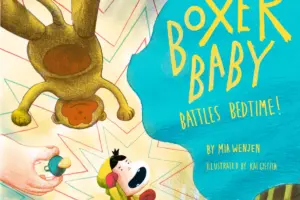
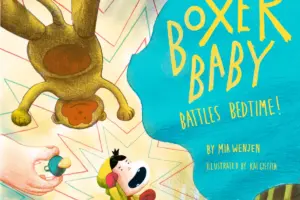
- Additional Notable Works: Boxer Baby Battles Bedtime, Food for the Future: Sustainable Farms Around the World (Bank Street College Best Children’s Book of the Year), Sumo Joe, Changing the Game: Asian Pacific American Female Athletes, Gnomes & Ungnomes, and How to Coach Girls.
Conclusion
Mia Wenjen and Keith Henry Brown have crafted more than just a picture book; Postcards from Malcolm X is a masterclass in narrative nonfiction. By anchoring the monumental history of the civil rights movement in the intimate, tangible act of letter-writing, the creators invite young readers to recognize that activism is not an abstract concept, but a practice built on empathy, resilience, and connection. As the book continues to gather accolades from Publishers Weekly, Kirkus, and School Library Journal, it solidifies its place as an indispensable text for the next generation of human rights advocates.

Comments
Facebook App ID not configured. Please add it in the Customizer.