

Executive Overview
The landscape of higher-education museums in the United States is undergoing a profound cultural and structural transformation. At the epicenter of this evolution is Harvard University, where sweeping changes to its art museum division have captured the attention of art historians, institutional watchdogs, and cultural tourists alike. For decades, the university’s vast artistic holdings were decentralized across distinct buildings—most notably the historic Fogg Art Museum, the Busch-Reisinger Museum, and the Arthur M. Sackler Museum. However, extensive architectural renovations, strategic consolidations, and a broader reckoning regarding institutional philanthropy have fundamentally altered how the public interacts with Harvard’s world-class collections.
While structural shifts merged the administrative and physical footprints of these institutions, a secondary, highly consequential evolution unfolded alongside it: the implementation of free public admission at the Fogg Art Museum. Observers of the Boston cultural scene have long debated the catalysts for this open-door policy. Was it purely a byproduct of institutional modernization, or did it trace its roots to the fierce public scrutiny surrounding the Sackler family scandal?
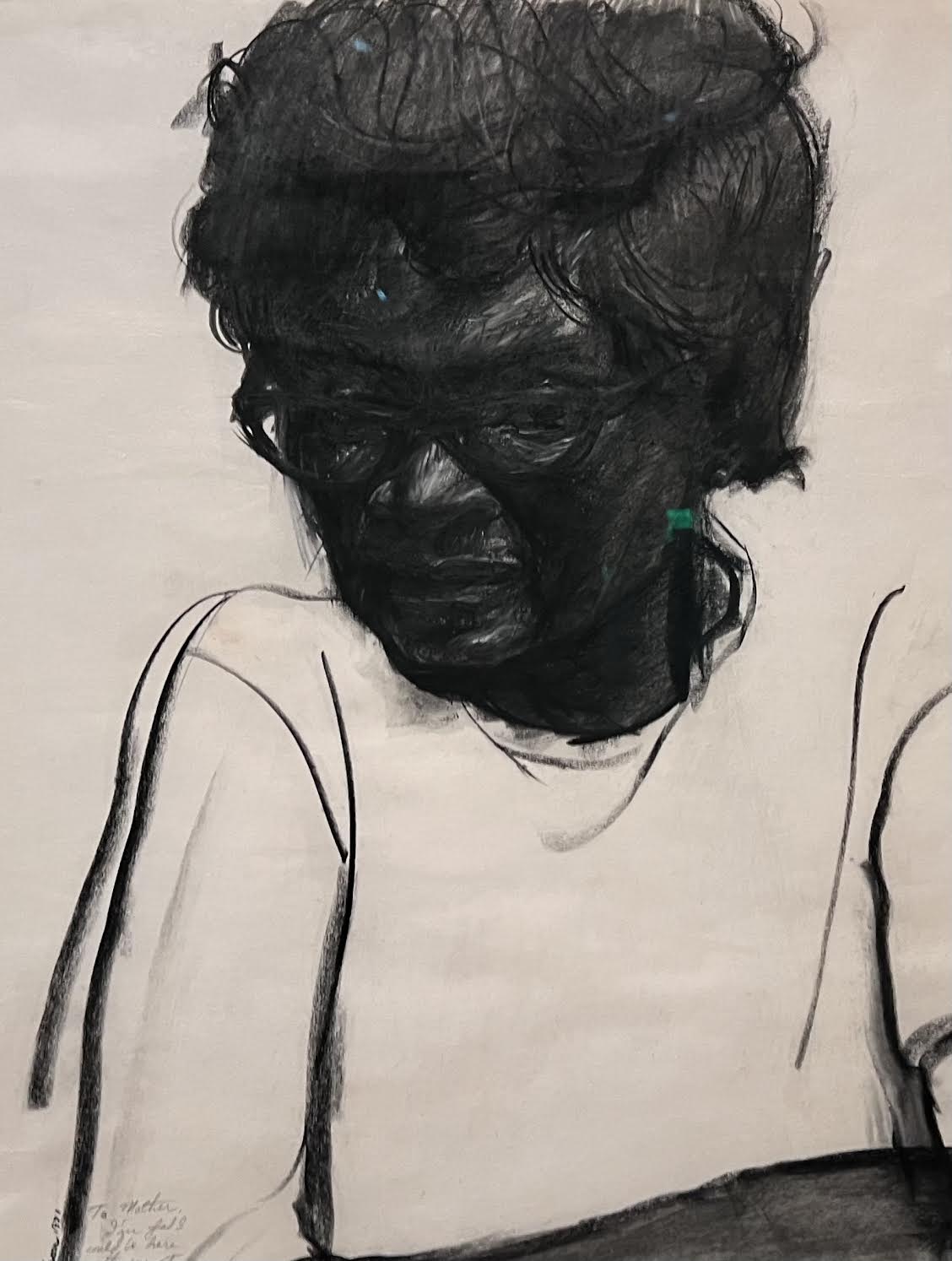
This report provides an investigative deep-dive into the architectural migration of the Sackler collections, the fallout of the opioid crisis on museum endowments, the democratizing effect of zero-cost admission policies, and the broader context of Harvard’s cultural offerings. By examining the chronology of events, financial metrics, and structural changes, this piece outlines how one of the world’s most prestigious academic institutions is redefining its civic responsibilities in the twenty-first century.
Read Also
Detailed Chronology of Institutional Change
To understand the current state of Harvard’s art museums, one must retrace a complex timeline of architectural transformations, logistical shifts, and the long shadows cast by corporate philanthropy.

The Decentralized Era and the Rise of the Sackler Museum
For many years, Harvard’s art collections were distributed across distinct architectural entities, each serving specific curatorial goals. The Fogg Art Museum, established in 1895, stood as the flagship institution, renowned for its extensive Western paintings, sculptures, decorative arts, and prints. Meanwhile, the Arthur M. Sackler Museum—housed in a distinctive Postmodern building designed by James Stirling and opened in 1985—served as home to ancient, Asian, and Islamic art.
For visitors attempting to navigate Harvard’s campus to experience its artistic breadth, tracking exhibitions across these geographically separated sites required meticulous planning. The administrative structures were unified under the Harvard Art Museums umbrella, but the physical barriers remained.

The Renovation and Consolidation
A major turning point arrived with the multi-year, comprehensive renovation of the historic Fogg Art Museum building on Quincy Street. Led by renowned architect Renzo Piano, the massive revitalization project aimed to unify the three museum entities (the Fogg, the Busch-Reisinger, and the Sackler) under one state-of-the-art roof.
When the renovation reached completion, a significant logistical transition occurred: the collections previously housed in the Arthur M. Sackler Museum were physically moved into the newly expanded and modernized Fogg building. This integration allowed scholars, students, and the general public to experience centuries of global art in a single, cohesive architectural space, optimizing both conservation efforts and curatorial displays.

Museum administration at the time framed the consolidation as a triumph of operational efficiency and visitor experience. However, the timing coincided with mounting external pressures that would soon redefine the ethical framework of museum governance across the globe.
Supporting Context & Metrics: The Sackler Scandal and Public Access
While the physical relocation of the collections was officially attributed to architectural consolidation and the maximization of the Renzo Piano-designed facility, the cultural climate surrounding the name "Sackler" cannot be ignored.

The Opioid Crisis and Philanthropic Reckoning
The Sackler scandal refers to the Sackler family’s orchestration of the U.S. opioid crisis through their pharmaceutical company, Purdue Pharma. By aggressively marketing OxyContin while systematically concealing its highly addictive nature, the family generated billions in personal wealth while fueling an epidemic responsible for hundreds of thousands of deaths nationwide.
As public awareness grew, institutions worldwide began grappling with the ethical implications of accepting money tied to the opioid crisis. Museums, universities, and cultural centers faced intense protests, leading many to strip the Sackler name from galleries, reject future donations, and distance themselves entirely from the family’s philanthropic legacy.

While institutional representatives maintained that the physical transfer of art from the Sackler building to the Fogg was an independent logistical decision driven by the Quincy Street renovation, cultural critics note that the timing dovetailed with an era of intense institutional introspection regarding tainted capital.
The Democratization of Art: Free Admission
Perhaps the most tangible and welcoming outcome of this era of reform is the current policy of free admission at the Harvard Fogg Art Museum. For tourists, local residents, and students alike, removing the financial barrier to entry has transformed the museum from an exclusive academic stronghold into an accessible civic sanctuary.

While universities often charge nominal fees to offset operational costs, Harvard’s pivot toward free admission aligns with a broader national movement among elite cultural institutions seeking to rectify historical exclusivity. Observers of the Boston art scene widely credit the shifting institutional ethics—catalyzed by the public pressure of the Sackler reckoning and a desire to foster community trust—with accelerating this open-door mandate. By making world-class art accessible to all without a price tag, the museum has redefined its public mission, ensuring that masterpieces spanning thousands of years are open to anyone curious enough to walk through its doors.
Exploring the Harvard Art Museums Today
For those visiting the Boston and Cambridge area, the consolidated Harvard Art Museums represent an unmissable cultural jewel. The Renzo Piano renovation successfully blended historical preservation with cutting-edge architectural design, featuring a stunning glass-roofed courtyard that floods the interior spaces with natural light.

Diverse Galleries and Exhibitions
The museum houses an extraordinary range of programming and permanent collections. Recent highlights within the academic calendar showcase the institution’s commitment to diverse artistic voices and historical documentation. Notable exhibits and cultural touchpoints span several specialized galleries:
- Drawing Exhibitions: Regular showcases at the Fogg highlight the intimate, preparatory works of master draftsmen alongside contemporary practitioners, offering deep insights into the creative process.
- The Alain Locke Gallery of African and African American Art: This vital space centers the profound contributions of Black artists, celebrating historical depth and contemporary innovation within African and African Diaspora art traditions.
- Interdisciplinary Academic Collaboration: Beyond the galleries, Harvard’s broader cultural ecosystem—including the Schlesinger Library’s documentation of modern social movements like #MeToo—proves that the university’s museums and libraries are active participants in recording contemporary history.
Future Outlook
As the Harvard Art Museums look toward the future, the lessons learned from architectural consolidation and philanthropic accountability will continue to shape their trajectory. The integration of the Sackler collections into the unified Fogg building has proven to be a resounding operational success, streamlining visitor navigation and enhancing artifact preservation.

More importantly, the enduring commitment to free admission signals a permanent cultural shift. By prioritizing broad public access over ticket revenue, Harvard has set a high standard for academic museums nationwide. In an era where cultural institutions must continually justify their societal value, the Fogg Art Museum stands as a testament to the power of accessible art, proving that historic treasures can—and should—belong to the public.
For local Bostonians and international travelers alike, the museum is no longer just a quiet study hall for Ivy League scholars, but a vibrant, open-access destination where history, ethics, and artistic beauty converge.





Comments
Facebook App ID not configured. Please add it in the Customizer.