
Executive Overview
The landscape of digital public library lending is on the verge of a significant transformation. For years, the market for dedicated e-reader hardware integrated with public library systems has been heavily dominated by OverDrive’s Libby platform—particularly through its deep, native integration with Amazon’s Kindle devices in the United States and Kobo e-readers globally. However, a major paradigm shift is underway as CloudLibrary—a premier digital content platform utilized by thousands of public libraries worldwide to manage comprehensive e-book and audiobook collections—prepares to bridge the hardware gap.
According to emerging industry reports and preliminary beta tests, CloudLibrary and Rakuten Kobo are actively working on a direct integration. This strategic partnership is currently undergoing an exclusive, closed trial period with select public libraries throughout September. Following this preliminary phase, a broader public rollout is slated for October, initially targeting Kobo’s newest generation of hardware: the Kobo Clara Color, the Kobo Clara BW, and the Kobo Libra Color.
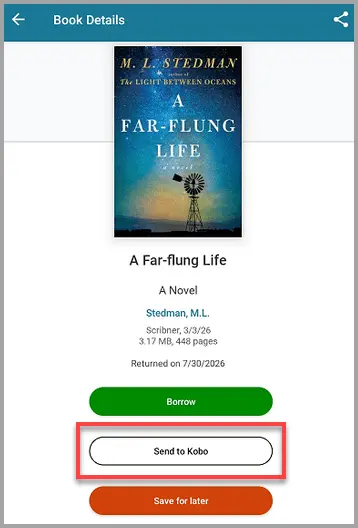
This development marks a monumental win for library patrons who prefer hardware alternatives to Amazon’s ecosystem. Historically, Kobo users relied primarily on OverDrive integration built directly into the device’s user interface to borrow titles. While CloudLibrary has long provided robust apps and web portals for smartphones, tablets, and computers, its integration with dedicated E Ink reading devices has lagged behind. The upcoming integration introduces a "Send to Kobo" workflow, promising to streamline how readers discover, borrow, and enjoy digital library books on lightweight, eye-friendly E Ink screens.
Read Also
Nevertheless, as the initial beta rollout progresses, questions remain regarding how deeply the system will integrate into Kobo’s native firmware over the long term, how user accounts will be managed, and what this means for the broader digital library ecosystem. This report provides an exhaustive breakdown of the integration, its mechanics, limitations, historical context, and the future outlook for digital readers.
Detailed Chronology of the Integration
The path toward bringing CloudLibrary directly to Kobo devices has been a quiet, highly anticipated endeavor for digital library advocates. Understanding how this feature operates requires examining the rollout timeline and the mechanical process of moving a book from a library catalog to an E Ink display.
The September Pilot Phase
Beginning in September, Kobo and CloudLibrary initiated a restricted beta test involving select library networks. This controlled environment allowed developers to stress-test server communication, account authentication, and file delivery mechanisms across a limited user base. By restricting the initial pool to specific libraries, technical teams could quickly isolate bugs related to Adobe Digital Editions (ADE) digital rights management (DRM), Wi-Fi syncing errors, and account mismatch issues.
The October Hardware Rollout
Following the completion of the September pilot, the integration is scheduled for a wider release in October. Crucially, the rollout targets Kobo’s modern device lineup, focusing heavily on their newest color and monochrome E Ink devices:
- Kobo Clara Color: A compact 6-inch color E Ink reader utilizing Kaleido 3 technology, ideal for illustrated library books, graphic novels, and children’s literature.
- Kobo Clara BW: A traditional 6-inch monochrome E Ink reader designed for purists who prioritize crisp text contrast and battery longevity.
- Kobo Libra Color: A 7-inch ergonomic page-turn button device featuring color capabilities, appealing to voracious readers who consume large volumes of novels and graphic media.
How the "Send to Kobo" Workflow Operates
Unlike the fully native OverDrive/Libby experience—where users can browse a library catalog directly on the e-reader device itself—the initial phase of the CloudLibrary integration relies on an external triggering mechanism.
- Discovery and Loan: Users browse their local library’s collection either through the dedicated CloudLibrary mobile application or via the CloudLibrary web portal on a computer or smartphone.
- The Trigger: Once a user locates an available e-book and clicks the "Borrow" button, a new option labeled "Send to Kobo" appears next to the title.
- Cloud Delivery: Clicking this button initiates a backend handoff. The CloudLibrary system processes the loan, applies the necessary DRM permissions tied to the user’s Adobe ID or Kobo account framework, and cues the file for delivery.
- Device Synchronization: Upon waking or syncing the supported Kobo e-reader over Wi-Fi, the borrowed title automatically downloads to the device’s library, ready for reading.
Current Limitations of the Beta Phase
While the integration represents a major step forward, early adopters should note several operational boundaries during the initial rollout:
- E-Books Only: The current iteration of the integration supports text-based e-books exclusively. Audiobooks—which form a massive component of CloudLibrary’s catalog—cannot be sent to Kobo devices via this workflow. This is consistent with hardware limitations, as Kobo e-readers (outside of specific Bluetooth audio output capabilities for listening via headphones) are fundamentally optimized for reading text.
- No In-Device Browsing: Unlike Libby’s deep integration, which allows users to search, place holds, and borrow books entirely from the Kobo’s built-in store and library menu, CloudLibrary’s current beta requires users to initiate the loan outside of the e-reader via an app or web browser.
Supporting Context & Metrics: The E-Reading and Library Ecosystem
To fully appreciate the significance of the Kobo-CloudLibrary partnership, one must examine the broader economics and operational frameworks governing public libraries and digital lending platforms.
The Duopoly and Fragmentation of Digital Lending
For over a decade, the public library e-book market has experienced significant consolidation. OverDrive—acquired by private equity firm Rakuten in 2015 and later sold to KKR in 2020—became the undisputed giant of the industry, largely due to its Libby app and exclusive, long-standing cozy relationship with Amazon. For millions of American and international library patrons, reading a library book on an e-reader meant choosing between an Amazon Kindle (integrated with OverDrive) or a Kobo device (also integrated with OverDrive).
However, public libraries are fiercely protective of market competition to prevent vendor lock-in and manage escalating licensing costs. This has driven the adoption of alternative platforms such as CloudLibrary (developed by Bibliotheca), Hoopla (known for instant-access, simultaneous-use models), and BorrowBox (popular internationally).
Until now, patrons using libraries that subscribed exclusively to CloudLibrary faced a frustrating hardware barrier: they could not easily read their borrowed books on dedicated E Ink devices like Kobos or Kobos-competing hardware without resorting to clumsy sideloading methods involving Adobe Digital Editions on a desktop computer. By establishing a direct pipeline, Kobo and CloudLibrary are democratizing hardware access for millions of library cardholders who previously felt excluded from the e-reader revolution.

The Rise of Color E Ink and Illustrated Content
The timing of the Kobo hardware rollout—specifically emphasizing the Kobo Clara Color and Kobo Libra Color—is far from coincidental. Color E Ink technology has reached a commercial inflection point. Utilizing technologies like E Ink Kaleido 3, modern e-readers can display soft, muted color palettes at high resolutions without sacrificing outdoor readability or battery life.
CloudLibrary hosts vast catalogs of graphic novels, children’s picture books, cookbooks, and heavily illustrated non-fiction titles. Historically, reading these materials on monochrome e-readers or glowing tablet screens (which cause eye strain and feature distracting notifications) was sub-optimal. By pairing CloudLibrary’s content repository with Kobo’s color E Ink hardware, the partnership unlocks a richer, more vibrant multimedia reading experience for library patrons.
Official Industry Analysis and Expert Perspectives
While formal marketing campaigns from Rakuten Kobo and Bibliotheca (the parent company of CloudLibrary) are rolling out alongside the October launch, industry analysts have been quick to weigh in on the strategic implications of this integration.
Expanding Market Share Through Interoperability
Digital publishing analyst Marcus Vance notes that hardware manufacturers can no longer afford to rely on closed ecosystems.
"The modern e-reader consumer is increasingly platform-agnostic," Vance explains. "By opening up devices like the Kobo Clara and Libra series to alternative library vendors like CloudLibrary, Kobo is positioning itself as the ultimate ‘open’ e-reader brand. While Kindle remains locked strictly into the Amazon/OverDrive pipeline, Kobo is quietly capturing users who utilize multiple library networks or whose municipal libraries rely on Bibliotheca infrastructure rather than OverDrive."
The Technical Hurdle of Multi-Account Management
One of the most pressing questions raised by librarians and power users is whether Kobo devices will eventually allow users to store multiple library card credentials natively within device settings—a feature heavily requested across online reading communities like Reddit’s r/kobo and MobileRead forums.
In the current OverDrive implementation on Kobo, users can log into a single library account directly on the device. However, many avid readers maintain cards across multiple municipal library systems to access wider catalogs. Under the current CloudLibrary beta architecture, because the "Send to Kobo" button is triggered externally via the CloudLibrary app or website, users can technically authenticate multiple library accounts within the CloudLibrary app on their phones and push books from various libraries to the same Kobo device, provided those accounts are linked. Whether Kobo will streamline this into a unified on-device settings menu remains the subject of intense speculation.
Future Outlook: What’s Next for Kobo and CloudLibrary?
As the October public rollout approaches, the digital reading community is looking ahead to see how this partnership will evolve. Several key milestones and developments are expected to shape the future of the integration:
1. Potential for Fully Native On-Device Browsing
The holy grail for CloudLibrary users will be the transition from an external "Send to Kobo" trigger to a fully native, on-device catalog browser. If Kobo and Bibliotheca can successfully collaborate on firmware updates that allow users to search the CloudLibrary database directly from the e-reader’s home screen—mirroring the current OverDrive experience—it will drastically reduce friction for less tech-savvy patrons.
2. Broadening Hardware Support
While the October launch focuses tightly on the Kobo Clara Color, Clara BW, and Libra Color, users of older or larger devices—such as the Kobo Sage (8-inch) and the Kobo Elipsa 2E (10.3-inch large-format notebook and reader)—are already asking when the integration will reach them. Given that these larger devices are exceptional for reading illustrated textbooks, PDFs, and library documents, expanding the CloudLibrary pipeline to the entire Kobo product ecosystem is a logical next step for hardware developers.
3. Resolving the Audiobook Dilemma
With the rapid growth of digital audiobooks in public libraries, finding a seamless way to bridge audio content with E Ink hardware remains a frontier challenge. While Kobo devices feature Bluetooth connectivity and built-in audiobook players for purchases made through the Kobo Store, library audiobooks managed via CloudLibrary remain restricted to mobile apps. Future iterations of the integration may explore streamlining audiobook holds and wishlist synchronization, even if playback ultimately remains anchored to smartphones and dedicated listening devices.
Conclusion
The forthcoming integration between Kobo and CloudLibrary represents a massive leap forward for library accessibility and open-ecosystem reading. By breaking down the walls that have historically separated Bibliotheca-reliant library patrons from dedicated E Ink hardware, Kobo is reinforcing its reputation as the premier hardware choice for readers who value choice, flexibility, and freedom from proprietary walled gardens. As the beta trial transitions into the October public rollout, digital readers have ample reason to celebrate a more connected, inclusive literary future.





Comments
Facebook App ID not configured. Please add it in the Customizer.