
Executive Overview
The global e-reader market has reached a critical inflection point. For over a decade, consumers seeking digital literature faced a straightforward choice: buy an Amazon Kindle or compromise with an alternative ecosystem. However, the maturation of color E Ink technology—specifically the widespread adoption of E Ink Kaleido 3 displays—has completely transformed the landscape, turning the e-reader space into a fiercely contested battleground.
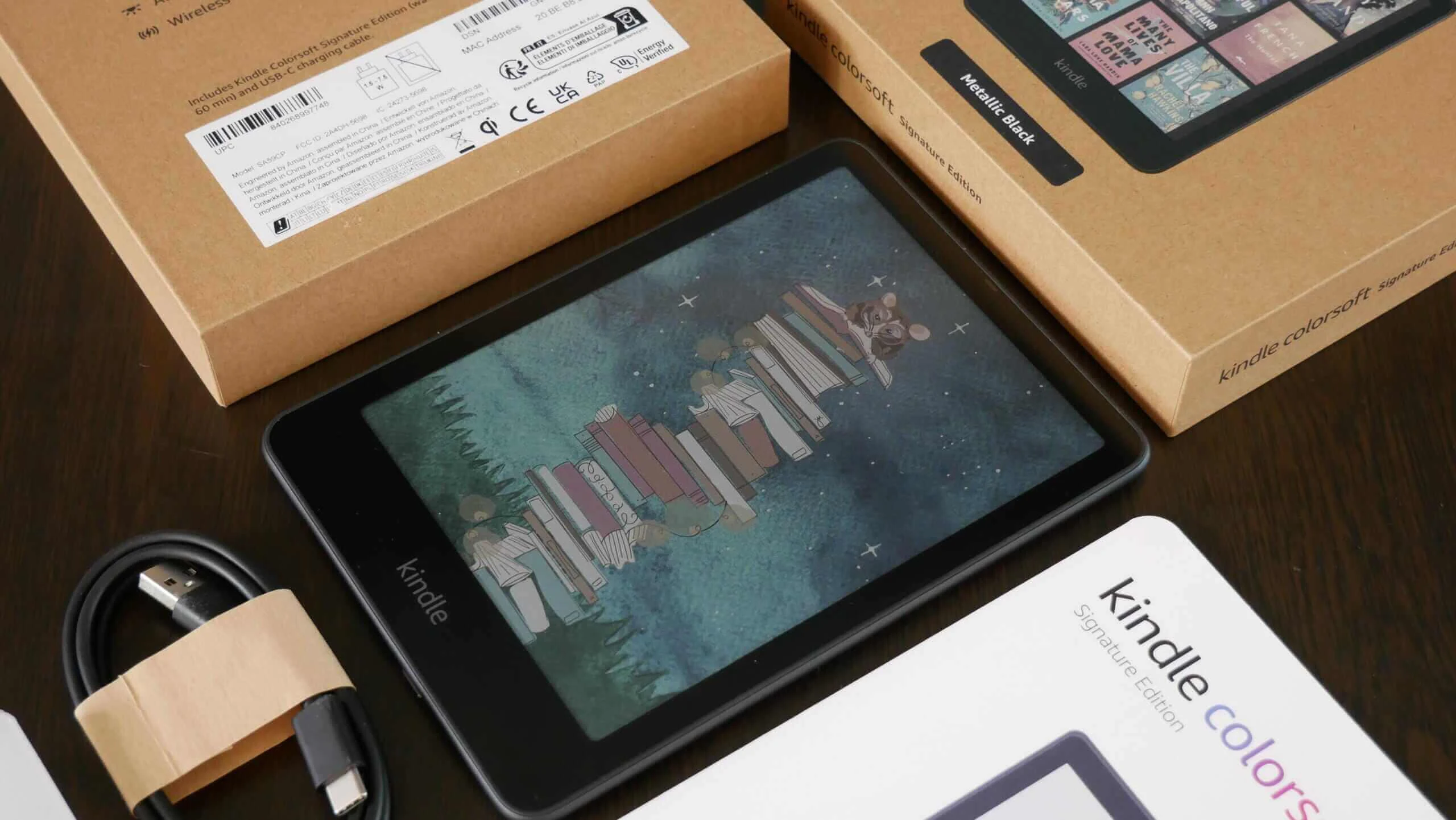
At the center of this evolving market is Amazon’s second-generation color e-reader, the Amazon Kindle Colorsoft (16GB edition). Initially launched to capture the growing demand for graphic novel reading, comic consumption, children’s literature, and the nuanced needs of researchers utilizing color-coded highlights, the Colorsoft has long been a flagship product for digital readers embedded in the Amazon ecosystem.
Yet, the competitive dynamics shifted dramatically following a surprise mid-August 2026 price hike. Amazon increased the retail price of the Kindle Colorsoft from its initial $249 to a steeper $289. This sudden upward adjustment has forced tech analysts, avid readers, and budget-conscious consumers to re-evaluate the device’s true value proposition.
Read Also
In 2026, the Colorsoft no longer exists in a vacuum. It faces relentless pressure from robust, feature-rich alternatives manufactured by competitors such as Kobo, PocketBook, and Onyx Boox. These rivals often offer superior hardware specifications—ranging from physical page-turn buttons and stylus support to full Android operating systems with Google Play Store access—at significantly lower price points, or at higher tiers that offer vastly expanded utility.
This in-depth investigative report examines the ripple effects of the mid-August 2026 Kindle Colorsoft price increase. We will analyze the shifting economic pressures on e-reader manufacturers, dissect the hardware and software advantages held by competitors, review the current market pricing strategies, and provide a definitive buying framework to help you determine whether Amazon’s color e-reader deserves a spot in your backpack.
Detailed Chronology: The Evolution of Color E-Reading and the 2026 Price Shock
To understand the weight of the August 2026 price hike, one must trace the rapid technological trajectory that brought the e-reader industry to this juncture.
The Monochrome Era and the Advent of Color
For many years, electronic paper technology was defined by grayscale contrasts. Devices like the classic Kindle Paperwhite dominated market share because E Ink technology excelled at mimicking physical paper without eye strain, offering weeks of battery life. However, readers consuming illustrated media—such as manga enthusiasts, comic book fans, and educational readers relying on color-coded annotations—were left wanting.
The introduction of E Ink Kaleido technology, and its subsequent iteration, Kaleido 3, bridged this gap. Kaleido 3 enabled screens to display up to 4,096 distinct colors while retaining a crisp 300 PPI (pixels per inch) resolution for black-and-white text, though color resolution typically settled at a softer 150 PPI. Amazon eventually entered this space, introducing its color e-reader line to cater to users who wanted vibrancy without abandoning the eye-safe benefits of electronic paper.
The Mid-August 2026 Pricing Shift
For a device marketed as a premium yet accessible entry point into color e-reading, the initial $249 price tag already positioned the Kindle Colorsoft at the upper boundary of casual consumer spending. However, supply chain pressures, component costs, and shifting corporate pricing models culminated in a sudden update in mid-August 2026.
Without warning, Amazon adjusted the retail price of the 16GB Kindle Colorsoft to $289.

This $40 increase immediately drew criticism from consumer advocacy groups and tech reviewers alike. In an economic climate where competing hardware manufacturers are driving prices downward or packing more features into similarly priced chassis, Amazon’s decision to move in the opposite direction has made the Colorsoft a harder sell. The device is now forced to justify its near-$300 price tag against competitors that offer expandable storage, open operating systems, native app integration, and hardware accessories like physical page-turn buttons right out of the box.
Supporting Context & Market Metrics: How the Kindle Colorsoft Stacks Up Against the Competition
To truly gauge whether the Kindle Colorsoft remains a viable purchase at $289, we must place it side-by-side with its primary market rivals. The modern color e-reader ecosystem is segmented into three distinct competitor classes: Kobo’s streamlined walled gardens, PocketBook’s flexible Linux-based alternatives, and Onyx Boox’s powerhouse Android tablets.
+---------------------------------+-----------------+----------------------------------------+---------------------------------------+
| Device Name                     | Price (USD)     | Screen Specs                           | Standout Features                     |
+---------------------------------+-----------------+----------------------------------------+---------------------------------------+
| Amazon Kindle Colorsoft (16GB)  | $289.00         | Color E Ink (approx. 7-inch)           | Seamless Amazon ecosystem integration |
| Kobo Clara Colour               | $179.99 (Sales) | 6-inch E Ink Kaleido                   | Budget-friendly, frequent sales       |
| Kobo Libra Colour               | $259.99         | 7-inch E Ink Kaleido 3                 | Page-turn buttons, stylus support     |
| PocketBook Verse Pro Color      | $159.00         | E Ink Kaleido 3 (4,096 colors, 300 PPI)| Lightweight Linux OS, open formats    |
| PocketBook Era Color            | $259.99         | 7-inch E Ink Kaleido 3                 | Premium build, versatile ecosystem    |
| Onyx BOOX Go Color 7 Gen II     | $269.99         | E Ink Kaleido 3 (300 PPI BW / 150 C)   | Full Android OS, Google Play Store    |
| Onyx Boox Palma 2 Pro           | $399.99         | Smartphone-sized E Paper               | Android 15, Cellular data support     |
+---------------------------------+-----------------+----------------------------------------+---------------------------------------+
1. The Kobo Competitors: Value and Ergonomics
Kobo (owned by Rakuten) has emerged as Amazon’s most formidable direct competitor in the traditional e-reader space.
- Kobo Clara Colour: Retailing at an aggressive $179.99 (and frequently discounted during promotional windows), the Clara Colour undercuts the Kindle Colorsoft by over $100. For budget-conscious readers who want color book covers and highlights without breaking the bank, the Clara presents a staggering value proposition.
- Kobo Libra Colour: Priced at $259.99, the Libra Colour matches the 7-inch screen size class of the Colorsoft but significantly out-features it. It includes physical page-turn buttons—a highly requested ergonomic feature missing from the Kindle—double the standard storage capacity in many configurations, and full compatibility with a stylus (though the stylus must be purchased separately). At a price lower than the post-hike Colorsoft, the Libra Colour offers superior hardware flexibility.
2. PocketBook: The Open-Source Linux Alternative
PocketBook has carved out a loyal global following by offering hardware that rejects the restrictive "walled garden" philosophy favored by Amazon and, to a lesser extent, Kobo.
- PocketBook devices utilize advanced E Ink Kaleido 3 technology, capable of rendering up to 4,096 distinct colors alongside a crisp 300 PPI black-and-white resolution.
- Running on a lightweight, custom Linux operating system, these devices support a massive array of digital file formats (EPUB, PDF, CBR, CBJ, etc.) natively, freeing users from the headache of file conversions and DRM stripping.
- The PocketBook Verse Pro Color normal retail price sits at an economical $159, making it less than half the price of the high-end Onyx devices and nearly half the cost of the new Colorsoft price point. For users seeking a premium build, the PocketBook Era Color 7-inch model runs at $259.99, delivering top-tier performance while still undercutting Amazon’s revised pricing.
3. Onyx Boox: The Android Powerhouses
For power users who view traditional e-readers as overly restrictive tablets, Onyx Boox provides an entirely different class of device. Unlike the lightweight custom Linux environments of PocketBook, Onyx Boox color e-readers operate on full versions of the Android operating system, complete with native access to the Google Play Store.
- This architectural difference changes everything: users are not locked into a single bookstore ecosystem. You can install native Android applications like the Kindle app, Kobo app, Libby (for library rentals), and Comixology directly onto the device, unifying your entire digital reading life into a single piece of hardware.
- Onyx BOOX Go Color 7 Gen II: Utilizing E Ink Kaleido 3 screens for 300 PPI text clarity and 150 PPI color saturation, this device retails at $269.99—cheaper than the updated Kindle Colorsoft while offering infinitely more software versatility.
- Onyx Boox Palma 2 Pro: For those willing to spend more than the Colorsoft’s asking price, the Palma 2 Pro represents the bleeding edge of e-paper technology. Priced at $399.99, this premium, smartphone-sized color e-paper device runs on Android 15. Its crown jewel feature is cellular data support, allowing users to stay connected, sync documents, and browse on the go without being tethered to a Wi-Fi network.
Official Industry Perspectives and Expert Analysis
Evaluating the state of the market requires listening to those who track the micro-trends of e-reading hardware daily. Industry veterans point out that Amazon’s pricing strategy relies heavily on the "ecosystem lock-in" effect.
According to market analysts, hardware manufacturers in the e-reader space generally operate on razor-thin margins for the physical units, recouping their research and development investments through digital book sales, subscription fees (such as Kindle Unlimited), and auxiliary services. When a company like Amazon feels confident enough to raise hardware prices during a period of fierce competition, it signals one of two things: either component acquisition costs (such as E Ink Kaleido panels) have risen to unsustainable levels for baseline margins, or the company believes its customer base is loyal enough to absorb the cost without defecting to competitors like Kobo or Boox.
However, veteran tech commentators argue that this gamble may backfire in 2026. With Kobo offering superior ergonomics at lower or comparable prices, and Onyx Boox capturing the lucrative tech-enthusiast market with full Android integration, a $289 Kindle Colorsoft risks alienating fence-sitting consumers.
Future Outlook: Who Should Still Buy the Kindle Colorsoft?
As the dust settles on the mid-August 2026 price adjustment, prospective buyers face a nuanced decision. The answer to whether you should purchase the Amazon Kindle Colorsoft is no longer a blanket recommendation; it depends entirely on your personal reading habits, ecosystem investment, and technical requirements.
Buy the Kindle Colorsoft If:
- You are deeply entrenched in the Amazon Ecosystem: If your digital library consists of thousands of dollars worth of purchased Kindle books, and you rely heavily on services like Kindle Unlimited, the Colorsoft remains the most seamless, friction-free way to experience color media within that specific walled garden.
- You prioritize simplicity and optimization: The Kindle user interface is notoriously streamlined. If you do not want to tinker with Android settings, manage multiple app logins, or sideload files across various formats, the "it just works" philosophy of the Kindle ecosystem still holds considerable weight.
Look Elsewhere If:
- You want physical page-turn buttons or stylus capabilities: If you prefer tactile navigation or want to sketch and take handwritten notes, the Kobo Libra Colour offers these features at a lower price point ($259.99).
- You want freedom from corporate bookstores: If you prefer managing your own DRM-free EPUB files, reading comic books in diverse formats, or using library apps like Libby without conversion steps, PocketBook’s Linux-based devices offer incredible value.
- You demand a true tablet experience: If you want the flexibility to jump between Kindle, Kobo, and Google Play apps on a single E Ink screen, an Android-powered device like the Onyx BOOX Go Color 7 Gen II or the high-end Onyx Boox Palma 2 Pro provides vastly superior utility for your dollar.
Ultimately, the 2026 e-reader market proves that monopoly is giving way to robust, multi-brand choice. While the Kindle Colorsoft remains a competent, beautifully integrated device for loyal Amazon customers, the $289 price tag invites a careful comparative look at what the rest of the industry is offering. Before pulling the trigger on Amazon’s latest offering, savvy consumers would do well to weigh the expanding universe of color e-paper alternatives.


Comments
Facebook App ID not configured. Please add it in the Customizer.