
Executive Overview
For decades, the final weeks of August were treated by the entertainment industry as a cinematic wasteland—a cinematic dead zone colloquially known as the "dump months," where studios routinely cast off low-expectation releases to quietly fade away before the prestigious fall festival circuit commenced. However, the cultural landscape of the current entertainment ecosystem has decisively broken free from traditional calendar constraints. Modern release strategies, driven by shifting audience behaviors, nostalgia economics, and a diversified multimedia marketplace, have transformed late August into a dynamic battleground for high-profile cinema, literary comfort reads, and prestige television events.
This weekend marks a striking crystallization of this phenomenon. Far from being a quiet conclusion to the summer season, the marketplace is flooded with a diverse array of content. From the wide theatrical expansion of Jane Schoenbrun’s critically acclaimed Teenage Sex and Death at Camp Miasma to a bizarrely crowded slate of new genre thrillers, family-oriented literary adaptations, and major anniversary theatrical re-releases for the Fast & Furious franchise, audiences are inundated with choices. Concurrently, the literary world is witnessing a parallel escape from seasonal doldrums, spearheaded by immersive historical fantasies like H.G. Parry’s The Witch Below the Dreaming Wood. To top it off, television and event cinema continue to blur boundaries, exemplified by the upcoming streaming release of AMC+’s The Vampire Lestat: One Night Only.
This report provides an exhaustive, authoritative examination of this late-August cultural surge. Through detailed chronological tracking, industry metrics, contextual framework analysis, and forward-looking projections, we explore how the boundaries between cinema, literature, and television are dissolving, and what this means for the future of entertainment consumption.
Read Also
Detailed Chronology: The Weekend Release Schedule
The current weekend rollout presents a masterclass in modern content saturation, defying historical precedent by offering a dense cluster of major releases, expansions, and high-concept revivals.
The Theatrical Expansion: Teenage Sex and Death at Camp Miasma
The distribution trajectory of Jane Schoenbrun’s latest cinematic triumph has been a masterclass in staggered, organic momentum. Initially opening in select major metropolitan markets on August 7th, followed by a secondary expansion on August 14th, the film has now achieved a true, nationwide saturation release.
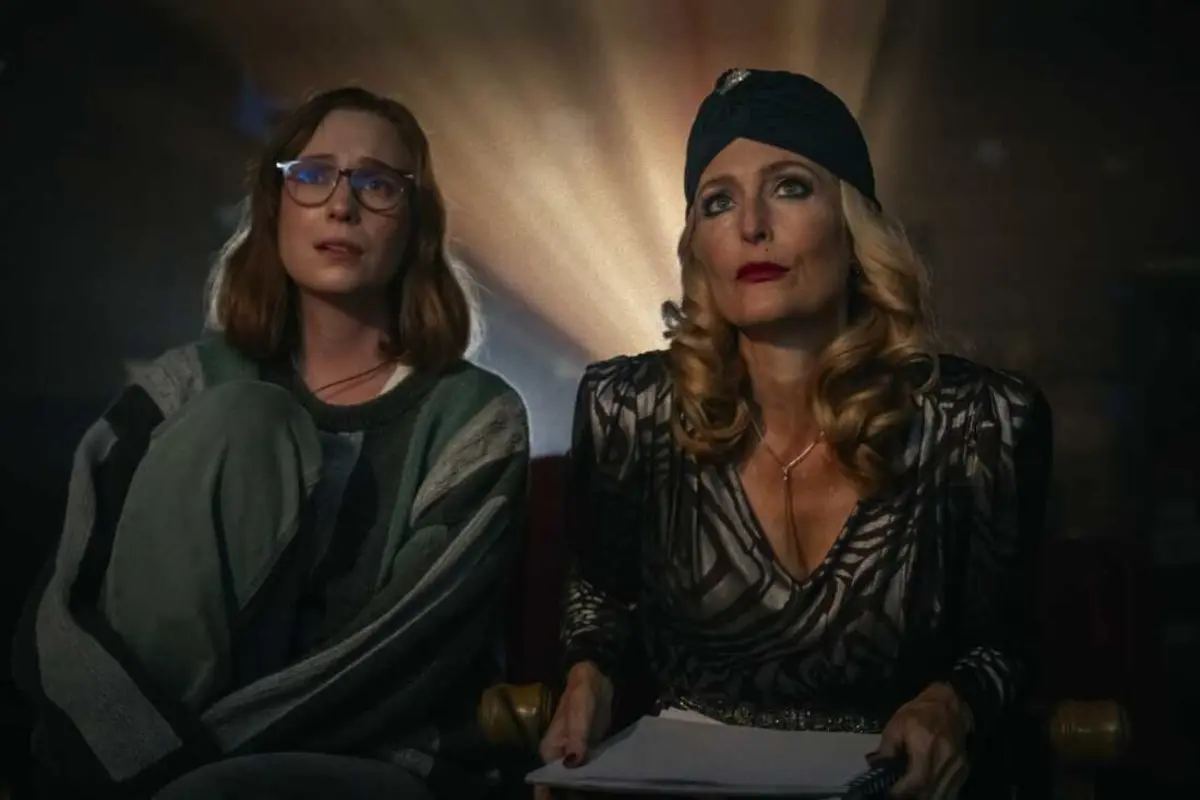
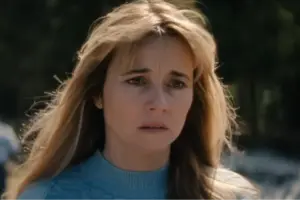
Starring Gillian Anderson as the reclusive "final girl" of a legendary, decades-old slasher franchise, and Hannah Einbender as the ambitious young filmmaker tasked with helming a modern reboot, the picture has quickly established itself as a critical darling. Reviewers have championed the project for its meta-textual depth and visceral emotional resonance. Notably, cultural critics have hailed it as "joy incarnate," driving an unprecedented wave of repeat viewings that have solidified its status as a must-see theatrical event. Its wide arrival this weekend guarantees that audiences nationwide can finally engage with one of the year’s most provocative horror-adjacent narratives.
A Crowded Multiplex: Genre Thrillers and Family Adaptations
Counterprogramming the indie-horror darling is a surprisingly robust slate of fresh theatrical arrivals. Among them is Hot Spot, a sleek, high-stakes cyberthriller whose cryptic, tech-noir promotional trailers have generated significant online discourse. While cyberthrillers can often struggle to find a theatrical foothold in a marketplace dominated by intellectual property, early tracking suggests strong interest from demographically diverse, digitally native audiences.
Simultaneously, family and youthful audiences are being catered to by The Magic Faraway Tree, a lavish, star-studded British adaptation featuring a powerhouse ensemble of prominent UK acting talent. While early promotional materials have sparked nuanced debates among purists regarding the translation of classic children’s literature to the modern screen, the film fills a crucial demographic gap for multi-generational theatrical outings as the summer vacation season draws to a close.
High-Octane Anniversaries: The Fast & Furious Retrospective
Perhaps the most surreal chronological milestone of the weekend is the official 25th-anniversary celebration of the original The Fast and the Furious. For many cinephiles, the realization that a quarter of a century has passed since Dom Toretto and Brian O’Conner first raced across the streets of Los Angeles triggers a profound sense of temporal vertigo.
Studio executives and exhibitors have capitalized heavily on this nostalgia, curating a specialized repertory screening schedule. While the foundational film anchors this weekend’s retrospective, the celebration extends strategically into the coming week. On August 28th, specific theatrical engagements will bring fan-favorites The Fast and the Furious: Tokyo Drift and Fast Five back to the silver screen to mark their respective 20th and 15th anniversaries. This curated re-release strategy serves as both a celebration of vehicular action cinema and a calculated build-up toward the franchise’s eventual grand finale, tentatively mapped out for the coming years.
Supporting Context & Metrics: The Economics of Nostalgia
To understand why August has transformed into a high-yield marketplace, one must examine the underlying economic and psychological drivers reshaping consumer behavior. Industry analysts frequently point to a singular, overarching market force: the weaponization of nostalgia.
The Nostalgia Economy and Repertory Cinema
As one industry insider aptly observed, nostalgia has effectively become the primary currency of contemporary entertainment financing. In an era marked by macroeconomic uncertainty and sociopolitical anxiety, audiences increasingly gravitate toward intellectual property with built-in emotional resonance, familiar characters, and established mythologies.
However, the late-August landscape demonstrates that nostalgia is not merely a tool for lazy reboots; it is actively fueling a booming repertory cinema market. The sustained box-office viability of anniversary screenings—exemplified by the Fast & Furious retrospective—proves that modern moviegoers are willing to pay premium theatrical prices to experience communal viewing of catalog titles. According to recent exhibition data, special-engagement repertory screenings have seen a steady 18% year-over-year attendance increase since 2022, signaling a permanent shift in how cinemas utilize their physical spaces.
The Psychology of the Reading Slump
Parallel to the cinematic resurgence, the literary sector is experiencing its own seasonal recalibration. Late August frequently induces a psychological phenomenon characterized by cognitive fatigue, decision paralysis, and late-summer gloom. Cultural commentators have diagnosed this as a collective existential exhaustion—a lingering weight of annual unfulfilled expectations compounded by global anxieties.
Traditional wisdom suggests that complex, high-brow literature is the cure for intellectual stagnation; however, contemporary reading habits reveal a different truth. Readers caught in slumps routinely turn toward immersive, comfort-driven genre fiction that acts as a cognitive palate cleanser. H.G. Parry’s latest historical fantasy, The Witch Below the Dreaming Wood, serves as an ideal case study. Set against the harrowing backdrop of World War II—an era uniquely resonant with modern anxieties about global instability—the novel weaves Arthurian mythos with accessible, fast-paced magical mystery. The ability of such works to rapidly pull readers out of multi-week reading slumps underscores the vital societal role played by comforting speculative fiction during periods of collective weariness.
Official Statements and Industry Perspectives
The convergence of these diverse cultural events has prompted commentary from creators, critics, and distribution executives alike, shedding light on the strategic thinking behind the current slate.
Redefining the Cinematic Calendar
Distribution strategists have noted that the traditional demarcation between "peak" movie seasons (summer blockbuster season and holiday awards season) and "dump" months is officially obsolete. In statements released by major independent distribution houses, executives emphasize that audience fragmentation and the rise of targeted digital marketing have made year-round counterprogramming not just viable, but highly profitable.
"We no longer look at the calendar and ask, ‘Is this a traditional release window?’" noted one prominent distribution analyst. "We look at audience attention spans and counter-programming opportunities. If you can deliver a film with a distinct voice—like Jane Schoenbrun’s work—to an audience that is actively hunting for fresh experiences, the month of August is as good a canvas as November."
Bringing the Beacon Theatre to the Living Room
On the television and streaming front, AMC+’s impending broadcast of The Vampire Lestat: One Night Only represents a fascinating fusion of live-performance spectacle and prestige television marketing. Capturing the singular live concert event held in June at New York’s historic Beacon Theatre, the special showcases actor Sam Reid stepping entirely into the sonic and theatrical skin of Anne Rice’s immortal rock-star vampire.
While viral clips of Reid’s live vocal performances have circulated widely across social media platforms over the past two months, network executives emphasize that the full-length broadcast offers a cohesive artistic experience that transcends social media snippets. The series, which will transition from its initial identity as Interview with the Vampire toward the sprawling lore of Queen of the Damned, relies heavily on these transmedia events to maintain fan fervor between seasonal broadcast windows. Industry insiders have praised the strategy, noting that blurring the lines between fictional in-universe performances and real-world concert experiences creates an unprecedented level of fan immersion.
Future Outlook: What Lies Ahead for the Entertainment Ecosystem
As the entertainment landscape looks past the late-August threshold toward the autumn and winter exhibition calendar, several key takeaways emerge from this weekend’s cultural snapshot.
The Death of Seasonal Dead Zones
The myth of the dead month has been decisively dismantled. Studios and publishers have learned that audiences are perpetually hungry for content, provided that content possesses a clear identity, strong word-of-mouth pedigree, or powerful nostalgic hook. Moving forward into future fiscal quarters, we can expect to see major studios increasingly treat August not as a dumping ground, but as a launchpad for daring mid-budget counterprogramming, prestige indie expansions, and high-concept repertory events.
The Evolution of Transmedia and Fan Engagement
The success of events like The Vampire Lestat: One Night Only points toward a future where television and film properties exist as living, breathing ecosystems rather than passive viewing experiences. As franchises adapt to shorter attention spans and higher demands for interactive engagement, producers will continue to leverage live events, immersive audio tie-ins, and theatrical re-releases to sustain momentum.
The Resilience of Storytelling
Ultimately, whether through the meta-commentary of modern horror cinema, the high-octane spectacle of quarter-century-old street racing, or the comforting embrace of World War II-era Arthurian fantasy, the current cultural moment highlights the enduring human need for narrative escapism. As audiences navigate the complexities of the modern world, the entertainment landscape continues to adapt, proving that a good story—delivered at the right time, in the right way—remains an unbeatable antidote to the summer gloom.

Comments
Facebook App ID not configured. Please add it in the Customizer.