
Executive Overview
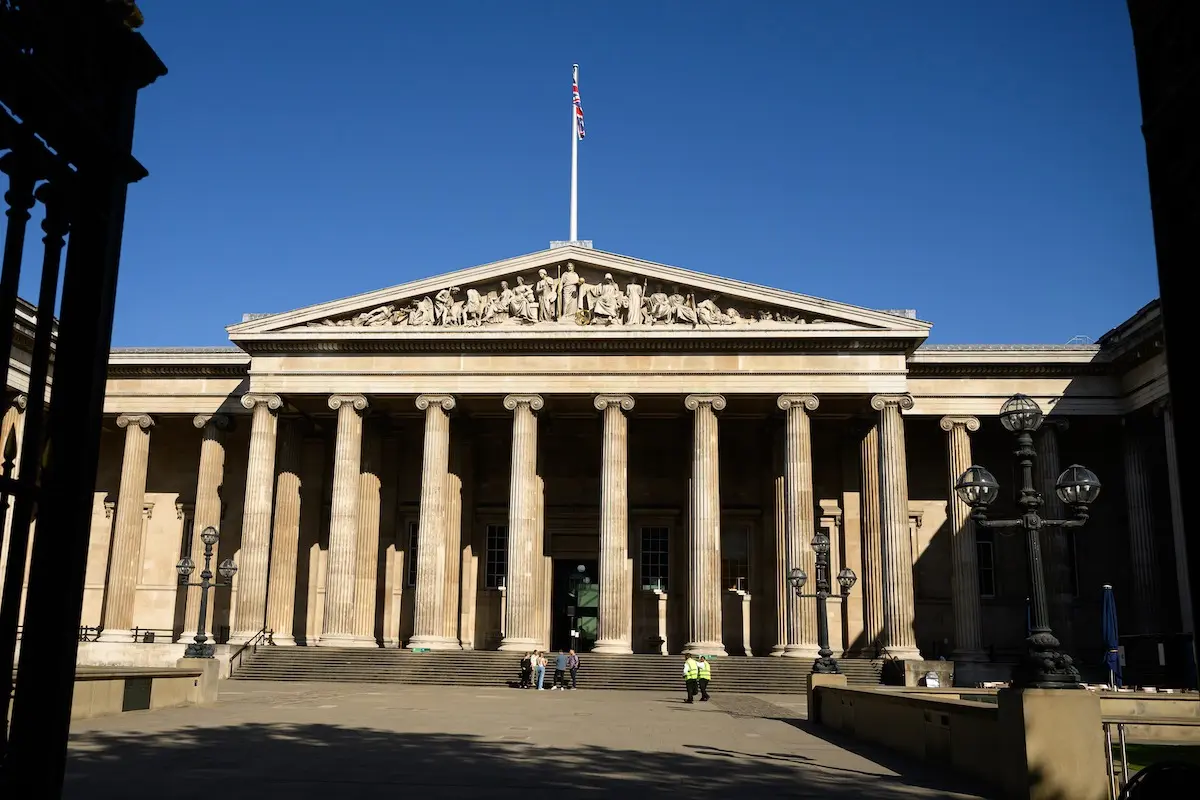
In a decisive move that has been warmly welcomed by the cultural sector, the United Kingdom government has officially dismissed speculation that international visitors could soon face admission charges at the nation’s premier publicly funded cultural institutions.
Speaking at a landmark event held at Tate Liverpool—jointly organized by the Art Fund and the Cultural Policy Unit—Secretary of State for Digital, Culture, Media and Sport (DCMS) Lisa Nandy put an end to months of uncertainty. Nandy confirmed definitively that foundational institutions such as the British Museum, Tate, the National Portrait Gallery, and National Museums Liverpool will maintain their long-standing free-admission policies for all visitors, regardless of nationality.
The announcement arrives at a pivotal moment, closely preceding the 25th anniversary of the UK’s revolutionary free museum-entry policy, which was originally introduced under the Labour government on December 1, 2001. Over the past quarter-century, free access has transformed the socio-cultural landscape of the United Kingdom, turning world-class galleries and museums from exclusive preserves of the elite into dynamic civic hubs deeply integrated into everyday public life.
Read Also
While the government’s unwavering commitment to universal access has been hailed as a triumph for public equity, the decision also highlights ongoing tensions within the sector. Publicly funded cultural institutions across the UK continue to navigate severe financial headwinds, squeezed by inflationary pressures, rising operational costs, and static or declining government subsidies. Proposals floated by figures within the museum sector—most notably a suggestion by former interim British Museum director Mark Jones to implement a £20 tourist fee—had sparked intense debates regarding alternative revenue streams.
By drawing a firm line against two-tier ticketing systems or tourist-only entry fees, the government has doubled down on its philosophical stance: that culture is a universal public good. However, the decision leaves open the broader, more complex question of how the UK’s national and regional museums will sustainably finance their operations and capital works programs in an era of fiscal restraint.
Detailed Chronology of the Policy Debate
The path to Lisa Nandy’s definitive statement in Liverpool was paved by months of quiet anxiety, intense behind-the-scenes lobbying, and public debate over the financial resilience of the UK’s cultural infrastructure.
The Spark: Financial Pressures and the Tourist Fee Proposal
The conversation surrounding international admission charges gained unexpected momentum in July 2024. Amidst well-publicized maintenance backlogs, energy cost spikes, and post-pandemic recovery challenges, Sir Mark Jones—then serving as the interim director of the British Museum—stirred controversy by suggesting that the institution should explore charging international visitors an admission fee, potentially around £20.
Jones argued that because overseas tourists are major beneficiaries of the UK’s cultural capital, a targeted fee for non-residents could generate crucial supplemental income without restricting access for domestic taxpayers and local communities who help fund these institutions through general taxation. The proposal immediately polarized the heritage sector. While some administrators whispered privately about the transformative potential of millions of pounds in tourist revenue, cultural advocates, equity campaigners, and tourism bodies warned that introducing a barrier at the door would erode the egalitarian ethos that has defined British museology for a generation.
The Escalation: Think Tanks and Sector Campaigns
As whispers of a potential two-tier pricing model spread through Whitehall, opposition mobilized rapidly. The Cultural Policy Unit, alongside philanthropic bodies like the Art Fund, launched concerted advocacy efforts to defend the integrity of the free-entry model. Sector leaders argued that any deviation from universal access would fundamentally alter the relationship between the public and their heritage.
Simultaneously, the broader financial architecture of the UK’s arts ecosystem came under scrutiny. A comprehensive review of Arts Council England (ACE) sparked wider conversations about structural funding deficits across national and regional institutions. Analysts and policymakers began exploring various auxiliary funding mechanisms to relieve pressure on cultural budgets, ranging from philanthropic incentives to municipal tourism taxes.
The Resolution: The Tate Liverpool Announcement
The speculation was finally put to rest on a Monday morning in Liverpool. Standing before museum directors, policy experts, and cultural stakeholders, Lisa Nandy delivered an unambiguous message. Emphasizing that access to history and art should never be contingent on wealth or passport status, Nandy declared that the free-entry policy should remain in place "forever."
The choice of venue carried profound symbolic weight. Tate Liverpool, a catalyst for the urban and cultural regeneration of northern England, embodies the transformative power of accessible art. By making the announcement there, the DCMS signaled that free national museums are not merely a London-centric perk, but a nationwide public entitlement.
Supporting Context & Metrics: The 25-Year Legacy of Free Access
To fully understand the weight of the government’s decision, one must examine the transformative impact of the policy enacted on December 1, 2001. Prior to that date, charging for entry to major national museums was common practice across the UK, a barrier that consistently depressed attendance figures—particularly among lower-income families, young people, and marginalized communities.
The 2001 Policy Shift and Attendance Surges
When the Labour government of the time removed admission fees for the 15 national museums sponsored by the DCMS, the response was immediate and overwhelming. Within the first few years of the policy, visitor numbers across participating institutions surged by double-digit percentages, frequently exceeding 100% growth at major London and regional sites.
Over the past 25 years, free admission has fundamentally altered behavioral patterns. Museums evolved from quiet, scholastic archives into bustling civic spaces hosting evening events, community workshops, educational programs, and casual daytime visits.
Economic and Social Return on Investment (ROI)
While admission fees generate direct revenue at the turnstile, economists and cultural strategists have long argued that free museums generate a far greater indirect economic return through the "visitor economy."
- Tourism Magnet: World-renowned institutions such as the British Museum, the Natural History Museum, the V&A, and the Tate galleries act as foundational anchors for the UK’s multi-billion-pound tourism industry. Millions of international travelers cite these institutions as primary motivations for visiting Britain. Once in the country, these tourists spend heavily on accommodation, dining, transport, and retail.
- Civic Cohesion and Education: Beyond financial metrics, free museums function as vital educational resources. Millions of British schoolchildren visit national museums annually as part of their formal education. Free access ensures that socioeconomic background never dictates a child’s exposure to world history, science, and fine art.
- Democratizing Culture: Alison Cole, director of the Cultural Policy Unit, aptly characterized the policy not merely as an administrative rule regarding admissions, but as a "universal public good." In an era marked by social fragmentation, free cultural spaces offer rare, shared environments where citizens from all walks of life can engage on equal footing.
Official Statements and Sector Reactions
The government’s reassurance elicited an outpouring of relief and praise from leaders across the UK’s museum and cultural landscape, though underlying anxieties regarding long-term financial sustainability remain palpable.
Government Perspective
In her keynote address, Lisa Nandy underscored the emotional and intellectual value of public art institutions, framing them as essential pillars of a healthy democracy.
"They remind us of our shared history and enable us to step outside the confines of our lives," Nandy told the audience at Tate Liverpool.
Describing the policy as a mechanism to ensure permanent public access, the Culture Secretary made it clear that the government views universal free entry as a non-negotiable component of the nation’s cultural identity.
Museum Leadership Endorsement
Directors of the nation’s flagship institutions were quick to rally behind the announcement, emphasizing the irreplaceable value of barrier-free access.
- Gabriele Finaldi, Director of the National Gallery:
"Free entry to national museums is one of the UK’s greatest cultural assets. It enables millions to visit, enjoy, and learn." Finaldi stressed that the policy has successfully woven museums into the everyday fabric of British public life, moving them from the periphery to the center of civic society.
- Tristram Hunt (Director of the Victoria and Albert Museum) and Nicholas Cullinan (Director of the British Museum):
Both directors expressed strong institutional support for maintaining the status quo, recognizing that while fundraising and auxiliary revenue generation are necessary, compromising the core principle of universal access would carry an unacceptable reputational and social cost. - Alison Cole (Cultural Policy Unit):
Championing the policy as a cornerstone of modern British democracy, Cole commended the government for resisting short-term fiscal fixes that could permanently damage public trust and institutional goodwill.
Future Outlook: Navigating Financial Realities and Alternative Funding
While the confirmation of ongoing free admission has settled the immediate debate over tourist fees, it leaves unresolved the broader structural challenges facing the UK’s cultural sector. As inflation, maintenance backlogs, and public spending constraints continue to mount, museums must look toward innovative, sustainable funding models that do not compromise their core egalitarian mission.
The Rise of Municipal Tourism Levies
One of the most promising avenues for relieving pressure on cultural budgets lies in regional financial policy. Recently, the UK government granted regional authorities across England the power to introduce an Overnight Visitor Levy—often referred to colloquially as a tourist tax.
Cultural organizations and municipal leaders have strongly advocated that revenues generated from these levies should be ring-fenced and directly channeled into local arts, heritage, and cultural provisions. By capturing a modest contribution from overnight visitors staying in commercial accommodations, cities and regions can build a dedicated financial buffer to support their museums, galleries, and performance spaces without erecting financial barriers at museum entry gates.
Broadening Philanthropy and Commercial Innovation
Beyond municipal taxation, national museums are increasingly turning to sophisticated philanthropic strategies, corporate partnerships, and commercial enterprises. High-profile temporary exhibitions, expanded retail operations, digital licensing, and international touring exhibitions provide vital streams of non-public revenue. Furthermore, targeted fundraising campaigns aimed at high-net-worth donors and philanthropic foundations continue to play an essential role in funding capital developments and major acquisitions.
The Ongoing Balancing Act
As the UK approaches the quarter-century milestone of free museum admission, the nation’s cultural sector stands at a crossroads. The government’s firm rejection of entry fees reaffirms a profound national commitment to cultural equity. However, maintaining this standard will require imagination, political will, and robust public-private collaboration.
By safeguarding free access while exploring smarter regional funding mechanisms like the Overnight Visitor Levy, the UK has chosen to protect its cultural soul. The challenge ahead will be ensuring that the institutions housing the world’s shared heritage are adequately resourced to thrive for the next twenty-five years and beyond.




Comments
Facebook App ID not configured. Please add it in the Customizer.