
Executive Overview
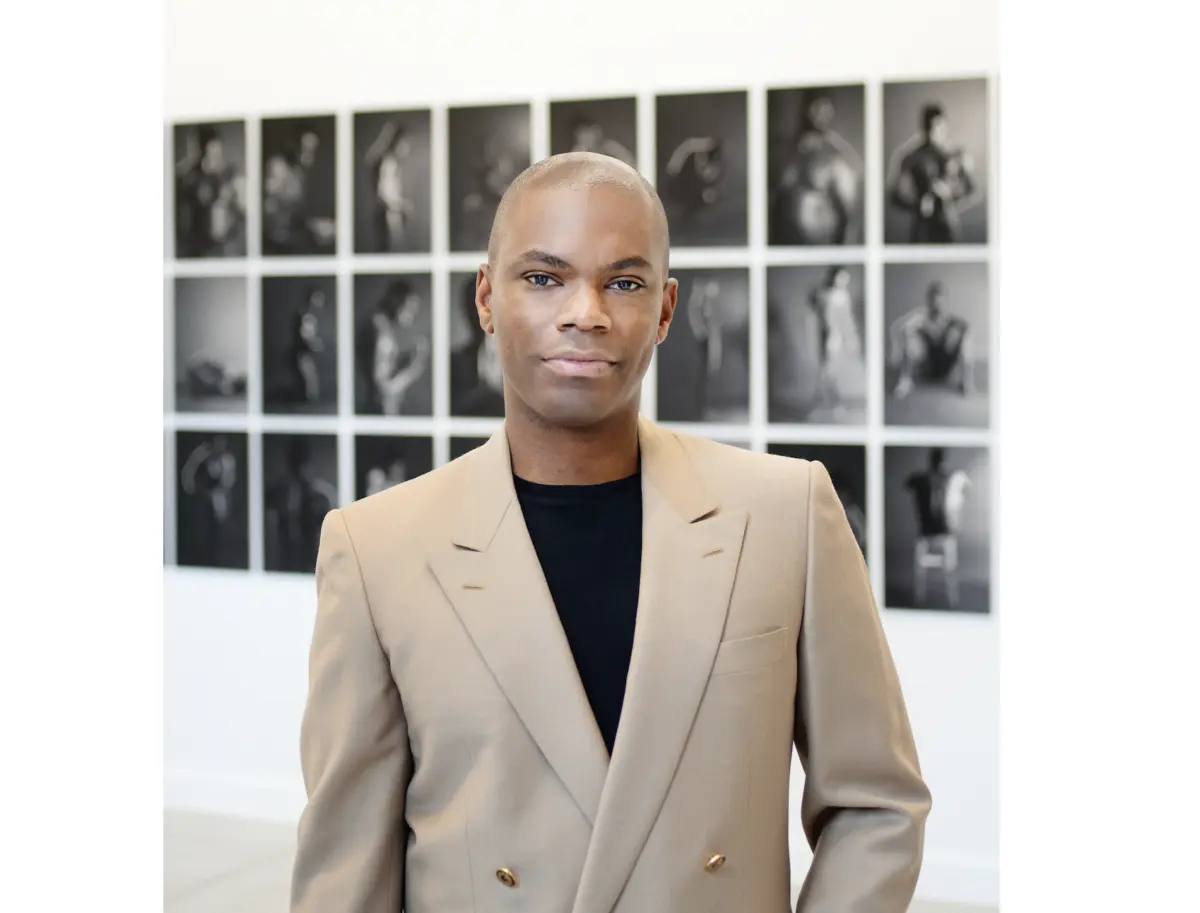
In the high-stakes, hyper-competitive ecosystem of the contemporary art market, outsider galleries must navigate a treacherous landscape of steep overheads, fickle collectors, and unpredictable institutional sales. Few recent entrants have charted a trajectory as meteoric—or as precarious—as Jonathan Carver Moore. Launching his eponymous gallery in 2023 on the razor’s edge of San Francisco’s economically strained and socially complex Tenderloin neighborhood, Moore positioned himself as a champion for the marginalized. By cashing out his personal retirement account (401k), he forged a sanctuary dedicated exclusively to exhibiting and supporting Black, female, queer, and Indigenous artists.
For a time, the gamble appeared to pay off. While historic brick-and-mortar spaces in the Bay Area were shuttering their doors amid a broader urban economic retrenchment—most notably exemplified by the closure of the longstanding Altman Siegel gallery—Moore’s enterprise seemed to defy gravity. He cut a vibrant figure on the international circuit, mounting ambitious, critically praised presentations at high-profile art fairs spanning from Chicago to Miami, Atlanta to Massachusetts, and anchoring his presence locally at FOG Design + Art.
However, beneath the veneer of commercial viability and progressive mission statements, a severe operational crisis has boiled over. According to an extensive and explosive investigative report published by the San Francisco Standard, Jonathan Carver Moore is facing a barrage of serious allegations from artists, collectors, and peer galleries. Sources allege a persistent, systemic pattern of chronic non-payment, withheld sale proceeds, unreturned inventory, and ghosted communications.
Read Also
The crisis culminated this month when a coalition of nine artists and gallery representatives stepped forward, detailing thousands of dollars in outstanding debts. Seven of these artists formalized their grievances in a joint letter demanding immediate financial restitution and the return of unsold work. As industry backlash intensifies, the gravity of the situation has escalated beyond civil contract disputes: international partner galleries have reportedly involved federal law enforcement, filing stolen property reports with the FBI.
Amid offline gallery websites and mounting public pressure on social media, the art world is forced to confront a sobering paradox: Can a progressive, mission-driven ethos survive the harsh financial realities of the modern commercial art market, or has good intentions been weaponized to excuse a systemic breach of professional trust?
Detailed Chronology of an Escalating Crisis
To understand how Jonathan Carver Moore’s promising gallery descended into organizational and financial chaos, it is necessary to trace the timeline of growing grievances, broken promises, and public reckonings.
The Rise and the Red Flags
When Moore established his gallery in 2023, he consciously operated outside traditional blue-chip lineages. Having no prior background in the commercial art world, he marketed his space as an incubator—an act of radical love and community-building. Alongside the primary exhibition space, he operated an adjacent residency program tailored specifically to underrepresented makers.
Yet, operational cracks began to show early on behind the scenes. According to Oakland-based artist Chantal Hildebrand, initial signs of trouble manifested as erratic payment schedules. Hildebrand reported waiting months for remittances from sales, only to find that payments frequently arrived late or substantially short of their agreed-upon figures. More alarmingly, Hildebrand discovered instances where Moore allegedly offered unauthorized discounts to collectors, undercutting the artists’ baseline market value. In one instance, a first-time collector informed Hildebrand that they had paid a full deposit for her work directly to the gallery, yet the piece was never delivered, and the artist never saw the funds.
The Expo Chicago Fallout
The friction between Moore’s public ambitions and private financial obligations reached a boiling point following Expo Chicago in April. On the VIP preview day of the fair, Moore spoke enthusiastically to industry press, highlighting robust sales. Among the most prominent inventory featured was the work of acclaimed artist Demond Melancon.
However, the commercial success did not translate into artist payouts. Melancon publicly stated that Moore owes him his rightful share of approximately $70,000 stemming directly from sales generated at Expo Chicago. According to Melancon, the dealer has completely stonewalled his attempts at communication, refusing to return phone calls or emails. Compounding the issue, the specialized art handling and installation company contracted to install Melancon’s work at the fair revealed that their invoices remain severely overdue and unpaid.
The fallout extended beyond individual artists to institutional partners. Cydne Jasmin Coleby, an artist based in the Bahamas, entered into a complex cross-border arrangement in which Moore acquired one of her paintings via Nassau’s TERN Gallery. Moore reportedly took possession of the work but failed to remit the agreed-upon $7,000 purchase price. As the weeks turned into months with no payment or communication forthcoming, TERN Gallery took the extraordinary step of reporting the painting as stolen to the Federal Bureau of Investigation (FBI), escalating a standard gallery dispute into a federal matter.
Social Media Callouts and Private Pressure
As private appeals went ignored, artists increasingly turned to public platforms to demand accountability. On August 4, artist April Bey took to Instagram to issue a scathing public callout, urging Moore to respond to his roster, settle his accounts, or immediately return all held inventory.
Bey later disclosed to the San Francisco Standard that Moore had been withholding two of her artworks, which possessed a combined market value of $68,000. Following the public pressure of her social media campaign, Moore partially relented: he returned one artwork and paid for the other, prompting Bey to delete her post.
The reprieve was short-lived. Shortly thereafter, artist Adana Tillman utilized Instagram to publicly state that Moore was significantly delinquent in paying her for nine distinct artworks placed in his custody.
The Group Letter and Collector Fallout
The mounting aggregation of grievances culminated this month when a unified group of nine artists and gallery representatives formally confronted Moore. In a joint letter reviewed by journalists, the signatories expressed deep betrayal:
"It is already difficult to navigate the art world under the best of circumstances. To experience this treatment from a Black-owned gallery that publicly states its mission is to amplify the voices of underrepresented artists, including BIPOC, LGBTQ+, and women artists, is not only inconsistent with that stated mission, it’s a serious breach of the trust we placed in you."
Collectors have similarly found themselves ensnared in the fallout. Chicago-based collector Kevin Poorman shared an account of purchasing a Melancon piece for $8,800 through Moore’s gallery. Poorman was informed by the dealer that delivery of the physical artwork would have to be delayed until the conclusion of a prestigious museum exhibition. Months later, Poorman discovered through independent channels that the museum exhibition in question had actually been canceled long before his purchase. To date, Poorman reports that he has been completely unable to reach Moore to secure either his purchased artwork or a financial refund.
An independent investigative check conducted by the Standard revealed that out of 20 artists contacted who had done business with the gallery, 11 detailed frustrating patterns of "unanswered calls, delayed texts, or total silence." Many cited chronic difficulties in recovering their unsold inventory, while others pointed to the reputational damage inflicted upon the secondary galleries that had trusted Moore with their artists’ works.
Supporting Context & Operational Metrics
To accurately contextualize the crisis surrounding Jonathan Carver Moore, one must examine the precarious financial economics of running an independent commercial art gallery in the post-pandemic era, particularly within expensive urban epicenters like San Francisco.
The High Cost of Art Fair Circuits
A critical driver of Moore’s financial exposure appears to be his aggressive participation in the international art fair circuit. Over the past two years, Moore’s gallery maintained an active booth presence at a diverse array of regional and specialty fairs, including:
- FOG Design + Art (San Francisco)
- EXPO CHICAGO (Chicago)
- Atlanta Art Fair (Atlanta)
- Arrival (Massachusetts)
- High Desert Art Fair (California)
- 1:54 Contemporary African Art Fair (International)
Participating in these fairs requires massive capital outlays. Booth rental fees, sophisticated wall construction, shipping logistics, insurance, travel, and lodging routinely cost independent dealers tens of thousands of dollars per event. For a gallery operating on razor-thin margins—funded initially not by venture capital or generational wealth, but by a liquidated 401k retirement account—a single sluggish fair can instantly create a cascading cash-flow crisis.
The Tenderloin Paradox
Operating on the border of the Tenderloin neighborhood presents a unique set of logistical and psychological hurdles for a commercial art space. While commercial rents in the periphery can sometimes be lower than in elite districts like Union Square or the Dogpatch, foot traffic is notoriously volatile. Building a collector base willing to regularly visit the Tenderloin requires immense, sustained marketing and client-relationship management expenditures—resources that Moore appears to have funneled into traveling exhibition booths rather than local infrastructure.
Investigative Scope
The scale of the alleged financial delinquency is broad. According to findings compiled by the San Francisco Standard:
- Total Artists Impacted (Directly Reported): Over a dozen creators have come forward with formal or informal complaints regarding withheld funds or art.
- Individual Disputed Sums: Ranging from $7,000 for single paintings (such as Cydne Jasmin Coleby’s piece managed via TERN Gallery) to upwards of $70,000 in unremitted expo sales (such as Demond Melancon’s inventory).
- Communication Breakdown: More than 50% of surveyed artists who engaged with the gallery reported systemic ghosting—characterized by unresponsive text messages, ignored phone calls, and unfulfilled contractual timelines for inventory retrieval.
As of Wednesday afternoon, the digital footprint of the enterprise took a severe hit: the official website for Jonathan Carver Moore’s gallery became entirely non-functional, cutting off online viewing rooms, artist portfolios, and public contact portals.
Official Statements and Defense
Faced with a mounting public relations catastrophe and potential legal liabilities, Jonathan Carver Moore has defended his enterprise, attributing the crisis to structural economic pressures rather than malicious intent.
In communications with art trade publications and investigative journalists, Moore emphasized the emotional and ideological genesis of his business:
"The gallery is not a standard gallery," Moore wrote in an email statement. "It came out of a place of love. I did not come from the art world. I cashed out my 401k to start a space for artists of color, queer artists, and women artists. I was and am intentional in wanting to share the space and provide opportunities to artists that are often overlooked."
Moore did not shy away from acknowledging the severe financial strains of his current operational model, pointing the finger at systemic delays inherent in the art market’s payment pipeline:
"It is a financial struggle running a gallery. Unfortunately, it often takes a lot of time to receive payment from collectors and institutions—this in turn has a big impact on running the gallery as a business. This impacts artists payments, general overhead (rent, etc.), deposits for art fairs and more. I wish we were more transparent in sharing how this all works and how it has a direct effect on everyone involved."
He concluded with an expression of remorse and a stated commitment to rectifying his outstanding accounts:
"I care so much about the arts community and will continue to learn the business and make things right."
In subsequent statements addressing specific allegations leveled by the Standard, Moore maintained that “some of these allegations are inaccurate,” while reiterating his overarching stance: "I deeply care about the art community, artists, collectors, and supporters. I have every intention of making things right with the artists, but as we know, it can be a financial struggle in running a gallery."
Critics, however, argue that invoking the romance of personal sacrifice and financial hardship does not absolve a dealer of fiduciary responsibility, nor does it excuse the withholding of physical artwork or the alleged evasion of communication with creators who placed their professional livelihood in his hands.
Future Outlook
The unfolding crisis surrounding Jonathan Carver Moore represents a cautionary tale for the contemporary art world, throwing a sharp spotlight on the structural vulnerabilities of mission-driven, independent commercial galleries.
Immediate Legal and Professional Fallout
In the short term, Moore faces an uphill battle to salvage his professional reputation and avoid severe legal repercussions. The involvement of the FBI via TERN Gallery’s stolen property report concerning Cydne Jasmin Coleby’s painting signals that civil grievances have crossed into the realm of criminal scrutiny. Unless Moore can rapidly disburse outstanding funds, reconcile consignment accounts, and return remaining inventory to artists like Demond Melancon and April Bey, he faces the near-certain prospect of coordinated civil lawsuits and permanent blacklisting from major art fairs.
The Broader Reckoning for the Art Market
Beyond the specific fate of Moore’s Tenderloin space, the controversy has triggered wider industry discussions regarding accountability, transparency, and the ethics of art consignments.
For years, the commercial art market has operated on a high degree of informal trust, handshake agreements, and delayed accounting cycles. Critics note that dealers who leverage progressive social missions—particularly those centering marginalized communities—are sometimes granted an unearned benefit of the doubt by artists eager for representation and institutional visibility.
The collapse of trust at Jonathan Carver Moore’s gallery underscores an urgent need for institutional reform. Artists, artist-advocacy organizations, and legal professionals are increasingly calling for tighter contractual safeguards, mandatory escrow practices for collector deposits, and transparent audit trails for art fair transactions.
As the digital storefront of Moore’s gallery remains dark and pressure from artists, collectors, and federal investigators mounts, the ultimate legacy of San Francisco’s most ambitious alternative dealer hangs in the balance. Whether Jonathan Carver Moore can translate his professed intentions into concrete financial restitution remains to be seen—but for the artists who trusted him, the damage to their trust has already been done.


Comments
Facebook App ID not configured. Please add it in the Customizer.