
Executive Overview
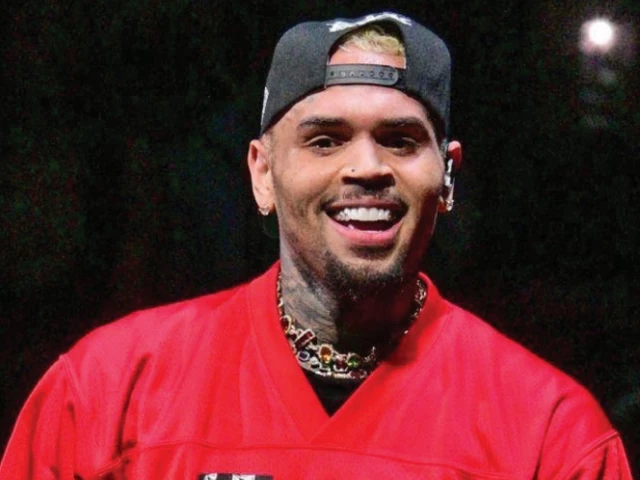
LONDON — American rhythm and blues artist Chris Brown narrowly averted immediate incarceration on Monday, October 27, 2026, when a British court handed down a suspended sentence for his role in a violent 2023 brawl inside an elite central London nightclub. The 37-year-old Grammy-winning performer, who arrived at Southwark Crown Court wearing a black face mask and matching baseball cap, received an eight-month prison sentence, suspended for a period of one year. This judicial disposition ensures that Brown will bypass behind-bars detention, provided he maintains a clean record and commits no further offenses throughout the probationary timeline.
The sentencing brings a definitive legal closure to a turbulent chapter that began on February 19, 2023, amidst the British leg of Brown’s international concert tour. The case centered on a chaotic, late-night altercation at Tape, an exclusive private members’ venue situated in the heart of the British capital. Prosecutors had originally pursued severe felony-level allegations, including attempted grievous bodily harm with intent and the possession of an offensive weapon. However, a strategic legal pivot in July saw Brown plead guilty to a lesser public order offense—specifically, affray—thereby averting a high-stakes, multi-week trial that could have carried catastrophic professional and penal ramifications.
Judge Tony Baumgartner, presiding over the proceedings at Southwark Crown Court, did not mince words when addressing the gravity of the misconduct. Emphasizing the inherently perilous nature of public violence within densely populated commercial venues, the judge underscored that Brown’s actions jeopardized not only the targeted individual but also dozens of innocent bystanders. Alongside Brown, co-defendant Omololu Akinlolu—a 40-year-old fellow United States national—also faced the judicial reckoning for his participation in the melee. Akinlolu likewise pleaded guilty to affray and was sentenced to a four-month prison term, similarly suspended for twelve months.
Read Also
For Brown, whose career has been repeatedly overshadowed by legal controversies and high-profile altercations spanning nearly two decades, the ruling represents a profound sigh of relief. Yet, it also casts an unyielding spotlight on the recurrent behavioral patterns of a musical superstar whose immense commercial success has perpetually competed with a volatile personal narrative. As the international entertainment community processes the conclusion of this high-profile British trial, questions linger regarding accountability, the global enforcement of celebrity justice, and the enduring legacy of an artist whose talent is perpetually matched by his turbulence.
Detailed Chronology of Events
The Incident at Tape Nightclub: February 19, 2023
The events that ultimately brought Chris Brown before a British criminal court unfolded in the early morning hours of February 19, 2023. At the time, the Virginia-raised artist was traversing the United Kingdom on a major concert tour, drawing massive crowds of devoted fans and enjoying substantial commercial momentum. Following a performance, Brown and an entourage that included co-defendant Omololu Akinlolu repaired to Tape, a hyper-exclusive private members’ club located in London’s upscale Mayfair district—a frequent haunt for visiting international celebrities, athletes, and high-net-worth individuals.
What began as a routine celebrity night out devolved into chaos. According to comprehensive case summaries presented by Crown Prosecution Service (CPS) attorneys, the situation escalated rapidly into a "vicious and unprovoked attack" inside the crowded venue. Prosecutors detailed how Brown directly engaged the victim, resorting to extreme and lethal improvisation by grabbing a glass bottle from the establishment’s inventory.
Eyewitness accounts and CCTV footage analyzed by investigators revealed that Brown struck the male victim in the head twice with the glass bottle. The initial impact shattered the object, but the violence did not abate. As the victim reeled from the blows and attempted to retreat, he was actively pursued across the venue floor by members of the entourage. The assault continued with a flurry of closed-fist punches and heavy kicks delivered by the perpetrators, leaving the victim with severe lacerations, bruising, and psychological trauma.
The pandemonium inside the VIP enclave forced venue security and panicked patrons to scramble for safety, instantly transforming an exclusive social gathering into a chaotic crime scene. British Transport Police and the Metropolitan Police Service were subsequently alerted, launching a multi-jurisdictional investigation that would shadow the American singer long after his tour buses departed British soil.
The Investigation and Legal Maneuvering: 2023–2026
In the immediate aftermath of the February 2023 incident, Metropolitan Police detectives initiated a rigorous evidence-gathering operation. Investigators secured high-definition closed-circuit television (CCTV) footage from Tape, harvested forensic evidence from the shattered glass bottle, and gathered witness statements from security personnel, club staff, and fellow patrons present in the VIP section.
Because Brown and Akinlolu departed the United Kingdom shortly after the tour concluded, international legal protocols governed the subsequent steps of the investigation. British authorities coordinated with international legal frameworks to ensure that the suspects would face accountability should they return to British jurisdiction.
By mid-2024, formal charges had been finalized and issued. Brown faced a formidable indictment that included:
- Affray (public order offense)
- Attempted causing of grievous bodily harm (GBH) with intent
- Possession of an offensive weapon (specifically, a glass bottle)
For months, the legal posture maintained by Brown’s defense team was one of staunch defiance. The artist formally entered not-guilty pleas to the most severe allegations, setting the stage for what promised to be a grueling, high-visibility trial at Southwark Crown Court. Legal analysts anticipated a complex courtroom battle centered on identification, intent, self-defense claims, and the exact chain of causation during the chaotic nightclub brawl.
However, the legal calculus shifted dramatically in July 2026. Recognizing the weight of the physical and digital evidence amassed by the prosecution—including corroborated witness testimony and unambiguous video footage—Brown’s defense counsel pursued a negotiated path. During a scheduled court appearance, Brown formally altered his plea, admitting guilt to the charge of affray. In exchange for this concession, the prosecution dropped the more perilous charges of attempted GBH with intent and offensive weapon possession, thereby removing the imminent threat of a multi-year prison sentence.
The Sentencing Hearing: October 27, 2026
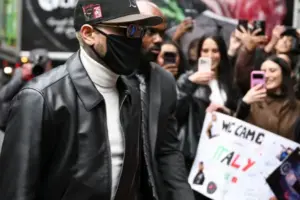
The legal saga culminated on Monday, October 27, 2026, inside the imposing Victorian-era architecture of Southwark Crown Court in London. Arriving for the pivotal hearing amidst a media scrum, Brown maintained a low profile, shielding his face behind a black face mask and a black cap.
Judge Tony Baumgartner presided over the proceedings, which drew intense interest from international media outlets, British tabloids, and pop-culture chroniclers alike. The courtroom atmosphere was tense as prosecutors reiterated the brutality of the 2023 assault, emphasizing that the use of a glass bottle as a weapon in an enclosed, crowded public venue constituted an intolerable risk to public safety.
Defense attorneys offered mitigation arguments, highlighting Brown’s remorse, his willingness to accept responsibility through his amended guilty plea, and the extraordinary pressures of navigating fame and global touring schedules. They stressed that an immediate custodial sentence would severely disrupt his professional commitments, business enterprises, and parental responsibilities.
Weighing these competing arguments, Judge Baumgartner delivered a measured yet stern judicial verdict. Acknowledging the guilty plea and the absence of prior convictions within the specific jurisdiction of the UK, the judge opted for a suspended custodial sentence rather than immediate imprisonment. The eight-month sentence, suspended for twelve months, served as a stern warning: any legal transgression within British territories—or, depending on probationary terms, violations of international conduct—would instantly trigger the activation of the prison term. Co-defendant Omololu Akinlolu received a parallel, albeit shorter, suspended sentence of four months, similarly conditioned on a one-year probationary period.
Supporting Context and Metrics: A History of Legal Infractions
To fully understand the significance of Chris Brown’s recent court appearance in London, one must examine the extensive chronicle of legal troubles that has shadowed the artist throughout his professional career. While Brown remains an undeniable titan of modern contemporary R&B and hip-hop, his trajectory has been repeatedly punctuated by high-profile arrests, civil lawsuits, and criminal convictions spanning two decades.
The 2009 Watershed: The Assault on Rihanna
The most defining and severe inflection point in Brown’s public life occurred on February 8, 2009. Hours before they were scheduled to perform at the 51st Grammy Awards, Brown and his then-girlfriend, pop superstar Rihanna, became embroiled in a violent domestic dispute inside a rented vehicle in Los Angeles.
The resulting police report detailed a brutal physical assault that left Rihanna hospitalized with severe facial contusions, bite marks, and swelling. The incident shocked the global entertainment industry, leading to the immediate cancellation of corporate endorsement deals, the removal of Brown’s music from numerous radio playlists, and widespread public condemnation.
In June 2009, Brown formally pleaded guilty to felony assault and making a criminal threat. The legal consequences were severe:
- Probation: Five years of formal probation, requiring routine progress reports to the court.
- Community Labor: 180 days of community labor, fulfilled primarily through trash removal and roadside maintenance programs in his home state of Virginia.
- Domestic Violence Counseling: Mandatory enrollment in a year-long batterer’s intervention program.
- Restraining Order: A court-mandated stay-away order preventing Brown from coming within a specified distance of Rihanna.
While Brown eventually rebuilt his commercial standing, scoring subsequent Billboard chart-toppers and selling out international arenas, the 2009 conviction permanently established a narrative of volatility that has followed every subsequent legal controversy.
Subsequent Legal and Public Order Incidents
In the years following his felony probation, Brown’s interactions with law enforcement continued to generate headlines across multiple continents:
- The 2012 New York Nightclub Brawl: A violent altercation erupted inside WIP nightclub in Manhattan involving members of Brown’s entourage and hip-hop artist Drake’s security detail. The brawl, reportedly rooted in lingering personal animosities, resulted in multiple injuries, including a severe laceration to the eye suffered by French professional basketball player Tony Parker, who filed a multi-million-dollar lawsuit against the club.
- The 2013 Washington, D.C. Arrest: Brown and his bodyguard were arrested outside a Washington hotel after allegedly punching a man who attempted to take a photo with the singer. The initial felony assault charge was eventually reduced to a misdemeanor, resulting in a brief stint in a rehabilitation facility and an extension of his ongoing probation monitoring.
- The 2016 Armed Stand standoff: Los Angeles Police Department officers surrounded Brown’s Tarzana mansion for several hours following an emergency call from a woman claiming the singer had threatened her with a firearm during a gathering. Brown was arrested on suspicion of assault with a deadly weapon and later released on bail, though formal criminal charges were ultimately not pursued by the District Attorney’s office.
- The 2018 Paris Rape Allegations: Brown, along with two other men, was detained by French authorities in Paris following formal accusations of aggravated rape and drug offenses brought by a woman meeting the artist at a luxury hotel. Brown vehemently denied the allegations, was released without charge, and subsequently filed defamation counter-suits, though the episode added further strain to his international public profile.
Commercial Footprint vs. Personal Controversy
The juxtaposition between Brown’s prolific artistic output and his persistent legal jeopardy remains one of the most polarizing phenomena in contemporary popular culture. Emerging as a precocious prodigy from a local church choir in Tappahannock, Virginia, Brown burst onto the global music scene in 2005 with his self-titled debut album, propelled by the infectious Billboard Hot 100 chart-topper "Run It!"
Over the ensuing two decades, Brown cemented his status as an industry heavyweight:
- Global Record Sales: Estimated at over 140 million records worldwide, making him one of the best-selling music artists of all time.
- Streaming Dominance: Billions of multi-platform streams across Spotify, Apple Music, and YouTube, driven by mid-2000s and 2010s anthems such as "Kiss Kiss," "With You," "Forever," and "Loyal."
- Accolades: Dozens of industry awards, including a Grammy Award for Best R&B Album (F.A.M.E. in 2012), multiple American Music Awards, and BET Awards.
Yet, this massive commercial infrastructure operates in perpetual tension with his off-stage conduct. Industry analysts frequently debate the resilience of Brown’s fanbase—often referred to as "Team Breezy"—who have consistently supported his music and tours despite successive controversies, contrasting sharply with corporate sponsors and media outlets that maintain strict distancing measures.
Official Statements and Judicial Commentary
The conclusion of the Southwark Crown Court proceedings elicited significant commentary from the judiciary, legal representatives, and public safety advocates. The official statements released during and immediately after the October 27 hearing underscored the systemic gravity attached to violent public disorder offenses within the United Kingdom.
Judicial Perspective: Judge Tony Baumgartner
In delivering his sentencing remarks, Judge Tony Baumgartner articulated the core principles governing British sentencing guidelines regarding public violence. Addressing the court directly, the judge emphasized that the use of improvised weaponry in crowded commercial establishments represents an intolerable threat to communal safety.
"Violence of this kind in a crowded nightclub is serious. It creates an obvious risk, not merely to the person against whom it is directed, but also to others," Judge Baumgartner stated from the bench.
The judge noted that while Brown’s decision to plead guilty to affray spared the court system a protracted trial and demonstrated a degree of acceptance of responsibility, the severity of the initial assault mandated a custodial penalty. By structuring the sentence as an eight-month term suspended for twelve months, the court sought to balance the retributive and deterrent requirements of the law with proportionality, taking into account the defendant’s guilty plea and lack of prior UK convictions.
Prosecution and Legal Counsel Assessments
Representatives from the Crown Prosecution Service (CPS) maintained that the successful prosecution—culminating in guilty pleas for both Brown and Omololu Akinlolu—vouched for the integrity of the British legal system in holding international visitors accountable to local laws. Prosecutors highlighted the exhaustive nature of the evidence collection, which left little room for successful contestation once the defense opted against pursuing the original not-guilty pleas.
Defense attorneys representing Brown declined to offer expansive public commentary outside the courthouse doors, focusing instead on processing the administrative requirements of the suspended sentence. Legal analysts observing the trial noted that securing a suspended sentence represents a favorable legal outcome for the defense team, effectively insulating the artist from immediate incarceration and allowing him to resume his international itinerary without the immediate shadow of a British prison term hanging over his head.
Future Outlook and Industry Implications
As Chris Brown departs the United Kingdom following the resolution of his legal proceedings at Southwark Crown Court, industry stakeholders, legal experts, and global fans are left to evaluate the broader implications of the verdict on his career, international mobility, and personal trajectory.
International Travel and Tour Logistics
The primary and immediate relief for Brown and his management team centers on international mobility. A custodial sentence—even a short one—would have severely restricted Brown’s ability to enter major global markets. Many nations, including Australia, New Zealand, Canada, and the United Kingdom itself, maintain stringent character-based visa requirements and entry prohibitions for individuals with active criminal convictions or recent prison sentences.
By securing a suspended sentence rather than immediate imprisonment, Brown avoids the catastrophic logistical barriers that typically accompany a British jail term. While a conviction for affray remains on his permanent record—potentially inviting heightened scrutiny from border control agencies during future international tour planning—the immediate threat of border bans across the Commonwealth has been mitigated. Promoters and venue operators can proceed with scheduling frameworks, provided the artist complies strictly with the twelve-month probationary conditions mandated by the British court.
Reputation Management and Commercial Viability
From a public relations standpoint, the London trial adds another complex layer to an already heavily scrutinized public persona. In an entertainment landscape increasingly influenced by corporate sensitivity, ESG (Environmental, Social, and Governance) investing principles, and stringent brand safety metrics, artists with histories of legal volatility often face distinct commercial hurdles.
While Brown’s core international fanbase has demonstrated remarkable resilience and unwavering loyalty—frequently selling out arenas across North America, Europe, and Asia—mainstream corporate sponsorships, major brand collaborations, and traditional media platforms frequently maintain cautious distances. The UK conviction is unlikely to alter the entrenched polarization surrounding the artist: devoted supporters will view the suspended sentence as a successfully navigated legal hurdle, while critics will point to the incident as further evidence of unmitigated aggressive behavior.
Conclusion
The sentencing of Chris Brown at Southwark Crown Court brings a definitive close to a high-stakes legal chapter stemming from a chaotic night at a Mayfair nightclub in February 2023. By accepting a guilty plea to affray and receiving a suspended sentence, the American R&B star has successfully avoided immediate imprisonment, preserving his freedom of movement and his capacity to continue an enormously lucrative, if perpetually controversial, global music career.
Nevertheless, the shadow of the London brawl—and the extensive catalogue of prior legal infractions that preceded it—remains an indelible component of the artist’s narrative. As Brown steps away from the British judicial system and back into the global spotlight, the twelve-month probationary period serves as an unyielding reminder that future missteps will carry immediate and severe penal consequences, ensuring that his actions will continue to be monitored by legal authorities and the public eye alike.



Comments
Facebook App ID not configured. Please add it in the Customizer.