

Executive Overview
In an era defined by an unrelenting deluge of online data, where adolescents spend an average of four to six hours daily immersed in digital environments, society faces a quiet crisis of comprehension. As highlighted by the School Library Journal, modern teens increasingly struggle to differentiate between hard news, opinion pieces, and paid advertising. This cognitive vulnerability does more than skew individual perspectives—it poses a fundamental threat to civic engagement and democratic participation.
Critical thinking, once treated as a secondary academic skill, has transformed into a vital survival mechanism. To combat the spread of falsehoods, educators, parents, and communities must implement intentional news and media literacy instruction. This comprehensive report explores the anatomy of online deception, examines how historical and contemporary literature addresses these concepts, provides actionable fact-checking methodologies, and outlines a forward-looking roadmap for raising a media-literate generation.
Detailed Chronology and the Evolution of Deception
The phenomenon of deceptive information is far from a modern invention. While the phrase "fake news" gained widespread cultural currency during the 2016 American presidential election, the practice of manipulating public perception through falsified or skewed media has deep historical roots.
Read Also
Historical Precedents of Media Manipulation
- The American and French Revolutions: Propaganda, biased reporting, and half-truths were routinely deployed by revolutionaries and loyalists alike to sway public opinion and mobilize troops.
- The 1914 Paul Bunyan Marketing Campaign: As chronicled in literature like Paul Bunyan: The Invention of the American Legend by Noah Van Sciver, early 20th-century logging companies weaponized folklore. An advertising manager invented the towering lumberjack myth to romanticize and normalize the industrial clear-cutting of old-growth forests, effectively masking environmental destruction and the displacement of Indigenous populations behind a cheerful, larger-than-life character.
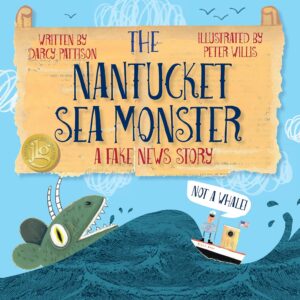
- The 1937 Nantucket Sea Monster Hoax: Published as a headline on August 7, 1937, dramatic sightings of a sea monster off the coast of Nantucket captivated the public for two weeks. On August 21, the truth emerged: it was a calculated publicity stunt orchestrated to drive foot traffic and generate free marketing for Macy’s Thanksgiving Day Parade.
The Digital Acceleration
In the contemporary landscape, the velocity of falsehood has increased exponentially. Studies indicate that false stories travel up to six times faster on platforms like Twitter/X than verified, factual reports. Driven by algorithms designed to maximize engagement through outrage and sensationalism, modern misinformation campaigns leverage clickbait, hyper-targeted advertising, and deepfake technology to manipulate public sentiment on a global scale.
Supporting Context and Metrics: Understanding the Terminology
To effectively dismantle deceptive narratives, individuals must first master the specific taxonomy of information disorders. Experts categorize inaccurate media into distinct operational definitions:

- Misinformation: False or inaccurate information that is disseminated inadvertently, without any underlying intent to deceive.
- Disinformation: Deliberately fabricated or skewed information spread with the explicit intent to deceive and manipulate (often synonymous with propaganda).
- Mal-information: Information rooted in factual occurrences, but taken completely out of context or exaggerated to maliciously attack an individual, organization, or nation.
- Fake News: An umbrella term for content engineered to mislead, manipulate, or create doubt, encompassing clickbait and propaganda.
- Clickbait: Sensationalized, misleading headlines engineered primarily to drive web traffic and advertising revenue.
- Propaganda: Systematic information designed specifically to shape and manipulate public opinion in favor of a specific political, economic, or ideological agenda.
Official Statements and Pedagogical Frameworks
Educational authorities and library associations emphasize that media literacy cannot be left to chance. According to insights curated by organizations like Common Sense Media and iCivics, teaching youth to be skeptical—to wonder, question, and interrogate what they read rather than accepting it at face value—is a prerequisite for a healthy democracy.
Key Evaluation Questions for Young Readers
When encountering a new article, video, or social media post, educators recommend prompting children and teens to ask foundational questions:

- Who created this content, and what is their motivation?
- What evidence is provided to back up these claims, and is it verifiable?
- Whose perspective is missing from this narrative? (As noted by literacy advocate Joyce Grant, marginalized groups—including people of color, women, the LGBTQIA+ community, individuals with disabilities, and Indigenous peoples—are frequently omitted from mainstream reporting).
- Is the language designed to appeal to logic, or does it trigger an emotional reaction?
Free Fact-Checking Tools for the Classroom and Home
To bridge the gap between passive consumption and active verification, educators recommend integrating trusted digital verification tools into daily routines:

Additionally, interactive educational games—such as NewsFeed Defenders (iCivics), Factitious (Rand.org), Reality Check (MediaSmarts), Bad News, Harmony Square, and Spot the Troll—allow students to experience the mechanics of disinformation firsthand in a gamified, safe environment.

Literature as a Mirror: Teaching Critical Thinking Through Storytelling
Children’s and young adult literature offers a powerful medium for exploring the human impact of misinformation, censorship, and the pursuit of truth. Through carefully curated reading lists, educators can foster empathy and critical inquiry:

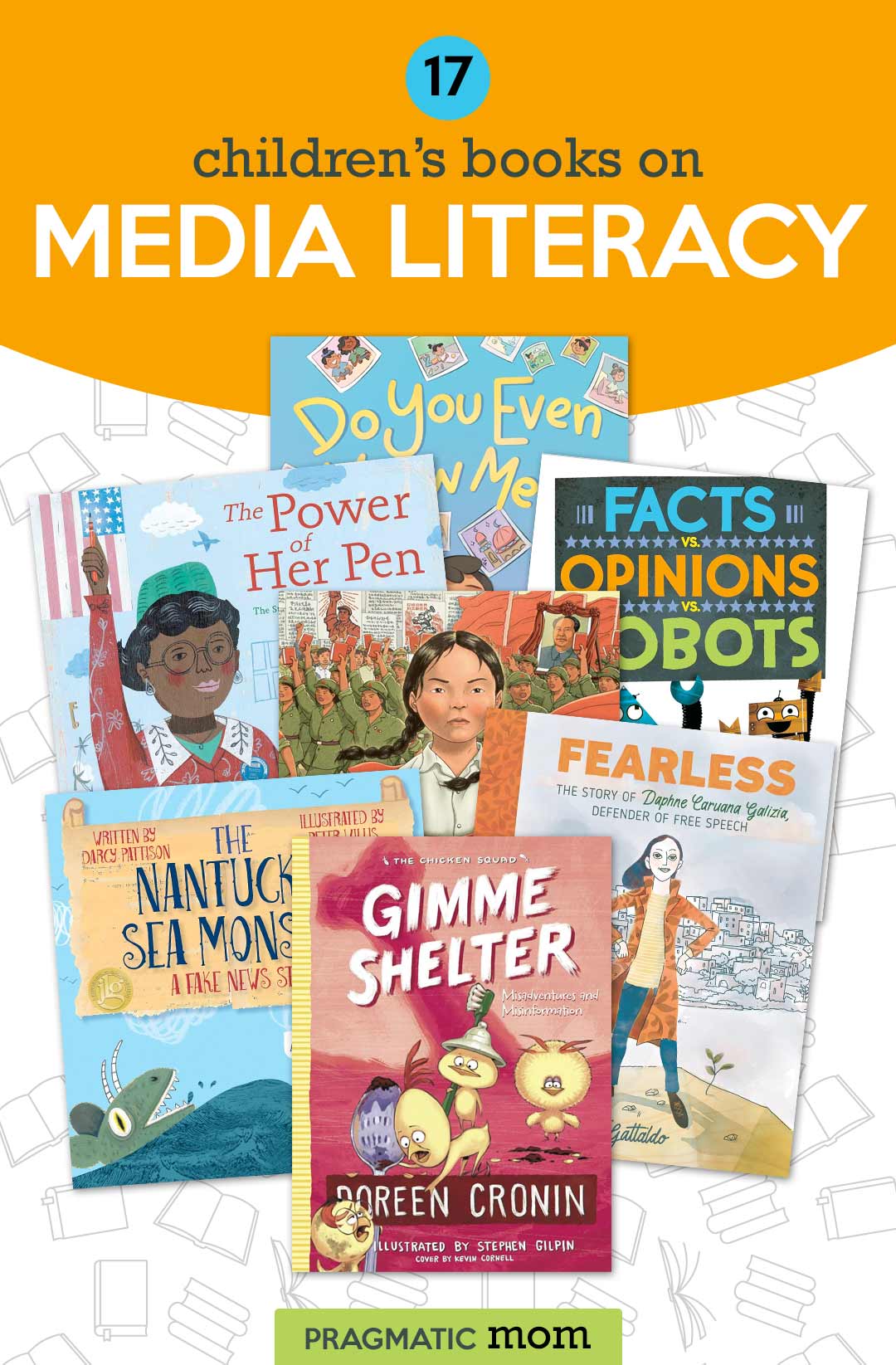
- Addressing Identity-Based Misinformation: In Reem Faruqi’s picture book Do You Even Know Me?, young Salma experiences bullying at school after a classmate absorbs biased, inflammatory portrayals of Muslims from television news. The story illustrates how media-fueled stereotypes can translate directly into real-world interpersonal harm.
- The Importance of Press Freedom: Fearless: The Story of Daphne Caruana Galizia, Defender of Free Speech by Gattaldo profiles a courageous human rights journalist in Malta who utilized her personal blog to expose systemic political corruption and money laundering when mainstream editors grew too fearful to print the truth. Her legacy underscores the ultimate price paid for investigative integrity.
- Challenging Historical Narratives: Christy Mihaly’s America’s Founding Myths… And What Really Happened dismantles the trope that European settlers arrived in an unpopulated wilderness, encouraging readers to examine how foundational myths serve powerful political interests while erasing the histories of over 1,000 distinct Native Nations.
- Combating Censorship: In Amy Sarig King’s middle-grade novel Attack of the Black Triangles, students discover that their teacher has been redacting passages from classic literature to align with her personal political views. The ensuing student-led resistance provides a masterclass in standing up against censorship and institutional dishonesty.
Future Outlook: A Roadmap for Digital Resilience
As artificial intelligence continues to lower the barrier for creating hyper-realistic deepfakes, synthetic text, and automated influence operations, the landscape of misinformation will only grow more complex. Preparing the next generation requires a coordinated, multi-layered strategy:

- Curriculum Integration: Schools must move beyond basic computer literacy to mandate comprehensive media literacy programs across all grade levels, teaching students how algorithms work and how to perform lateral reading.
- Community and Parental Engagement: Parents must model healthy digital habits, co-viewing media with their children and encouraging open dialogues about the validity of online sources.
- Resource Availability: Educational initiatives—such as Read Your World’s specialized classroom kits like Beyond Screens: Teaching Kids to Think Critically in a Digital World—must be made freely accessible to underfunded school districts to ensure equitable access to digital citizenship education.
Ultimately, safeguarding our civic future depends on our ability to cultivate a culture of thoughtful skepticism. By equipping young minds with the analytical tools, historical context, and ethical frameworks needed to interrogate their digital environments, we can transform passive digital consumers into active, discerning guardians of the truth.




Comments
Facebook App ID not configured. Please add it in the Customizer.