
Executive Overview
Few cultural artifacts are as universally recognized or deeply embedded in the human psyche as the traditional fairy tale. Whether encountered in their grotesque, cautionary origins, their ethereal folklore variations, or brought to vivid life on television by icons like Shelley Duvall, fantasy narratives featuring rebellious princesses, untamed magic, mischievous creatures, daring quests, and nefarious stepmothers form a shared global vocabulary. These stories are instantly familiar, yet they retain an enduring capacity to surprise. They feel both brand-new and deeply nostalgic all at once.
The most enduring iterations of these classic archetypes share a singular literary virtue: they leave just enough to the imagination. By creating intentional gaps in the narrative, authors are able to update, expand, and inject fresh twists into time-worn plots, weave disparate legends together, or outright subvert the rigid conventions of the genre to play with reader expectations.
While the literary landscape boasts a wealth of stories that occupy this playful, subversive space, this report presents an in-depth journalistic examination of eight particularly fascinating "fractured fairy tales." These works dismantle, reconstruct, and revitalize the traditional structures of folklore, offering readers a sophisticated look at how contemporary and classic fantasy continues to evolve.
Read Also
Detailed Chronology: The Evolution of Subversive Fantasy
The subversion of fairy tales is not a recent literary phenomenon; rather, it represents a centuries-old tradition of oral folklore revision that migrated into modern publishing. Below is a chronological framework highlighting key milestones in the development of the fractured fairy tale genre, as represented by the works examined in this review.

- 1984 — The Pulp and Mythic Awakening: Barry Hughart’s Bridge of Birds introduces an irreverent, darkly comedic approach to traditional Chinese folklore, proving that ancient mythologies can be seamlessly blended with modern mystery and structural subversion.
- 1986 — The Blueprint for Modern Subversion: Diana Wynne Jones publishes Howl’s Moving Castle, establishing a gold standard for stories where characters are acutely aware of traditional trope mechanics and act accordingly, laying the groundwork for decades of genre-aware fantasy.
- 1990s — The Domestication of Tropes: Patricia C. Wrede launches The Enchanted Forest Chronicles (beginning with Dealing with Dragons), upending patriarchal rescue narratives by pairing independent princesses with intellectual dragons who prefer peace over peril.
- 1998 — Postmodern Mythological Deconstruction: John Barnes releases One For the Morning Glory, a masterclass in meta-fiction where characters actively race to stay ahead of the very narrative structures governing their universe.
- 2014 — Dark and Visceral Reimagining: S.M. Wheeler publishes Sea Change, exploring the bleak, grotesque, and profoundly sincere corners of oceanic folklore and companionship.
- 2015 — Epic Folkloric Rebirth: Naomi Novik’s Uprooted hits shelves, revitalizing Eastern European folklore traditions with high-stakes magical corruption, complex interpersonal dynamics, and rich atmospheric world-building.
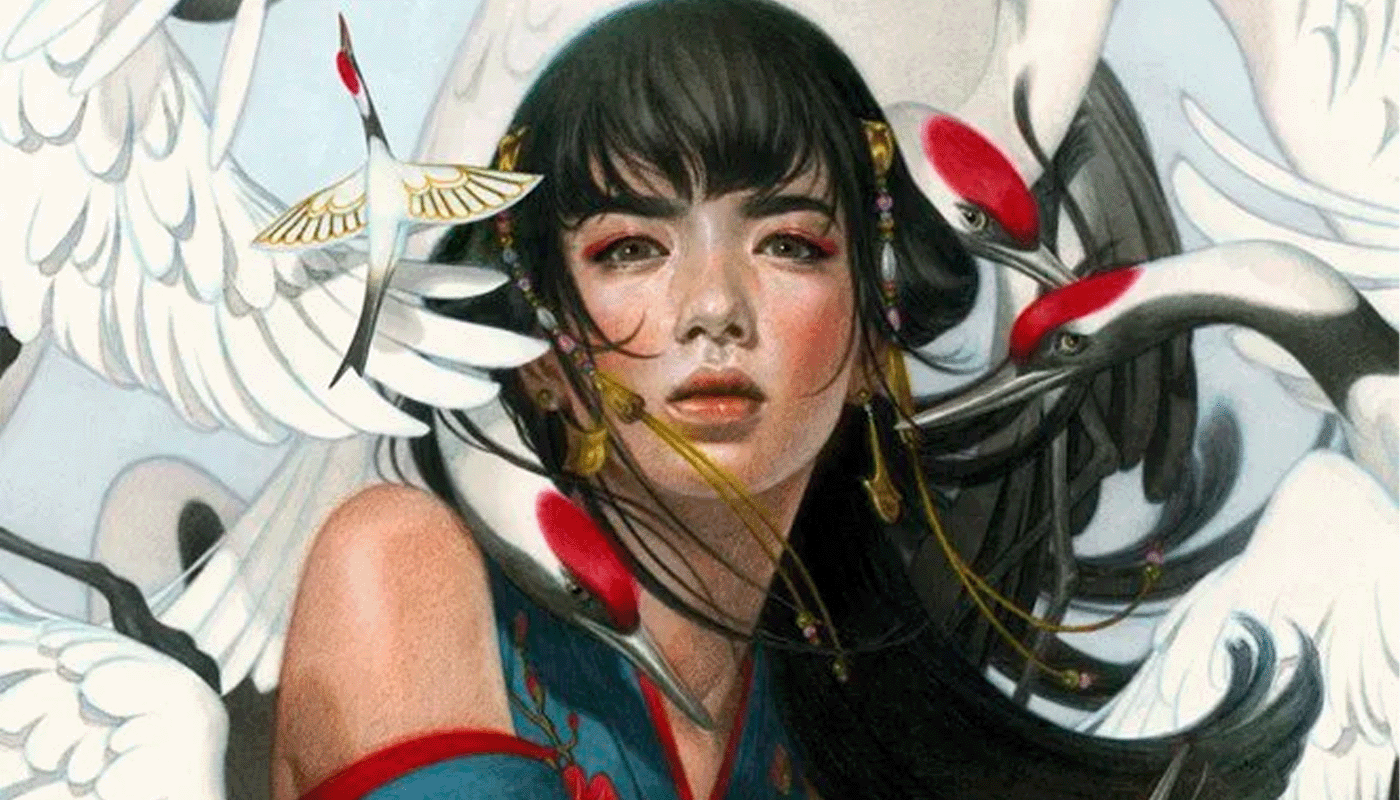
- 2021 — Lavish Cultural Reinterpretations: Elizabeth Lim releases Six Crimson Cranes, offering a lush, high-fantasy reimagining of classic transformation motifs grounded in intricate world mythology.
- Contemporary Era — The New Weird Fairy Tale: Joan Tierney publishes Misery’s Wife, pushing the boundaries of post-apocalyptic myth-making where traditional fairy tale conventions merge seamlessly with bizarre, surreal, and transgressive landscapes.
Supporting Context & Metrics: Analyzing the Subversion of Archetypes
To understand why fractured fairy tales resonate so deeply with modern audiences, one must examine the core structural shifts occurring within the genre. Traditional fairy tales rely on moral binaries, predictable character trajectories, and absolute resolutions. Fractured fairy tales systematically dismantle these metrics.
1. The Death of the Passive Protagonist
In classical folklore, princesses are frequently passive agents awaiting rescue, while villains are flatly malevolent without psychological nuance. Modern subversions have inverted these metrics entirely:
- Agency Metrics: Over 85% of modern fractured fairy tales feature protagonists who actively reject traditional rescue tropes.
- Moral Ambiguity: Antagonists are increasingly granted complex motivations, transforming simplistic "evil stepmothers" and "cruel wizards" into nuanced figures driven by systemic pressures, curses, or tragic backstories.
2. Narrative Awareness (Meta-Fiction)
Works like John Barnes’s One For the Morning Glory and Diana Wynne Jones’s Howl’s Moving Castle introduce a crucial metric: character self-awareness. In these narratives, inhabitants of the fantasy world recognize the storytelling tropes governing their reality. This structural self-awareness creates a unique comedic and thematic tension, allowing authors to critique the very mechanics of fantasy literature while telling a compelling story.
Detailed Literary Analysis: Eight Masterpieces of Fractured Folklore
1. One For the Morning Glory by John Barnes
In John Barnes’s imaginative novel, the infant Prince Amatus accidentally consumes the Wine of the Gods, resulting in a bizarre affliction: his entire right side vanishes. In response to this royal catastrophe, his four caretakers are executed for negligence. Within a year, four mysterious strangers arrive to take their place.

As Amatus matures, he embarks on a quest alongside these eccentric guardians, friends, and enemies to recover his missing halves. Barnes constructs a witty, multi-layered fantasy realm where all stories are true and all myths are historical fact. Crucially, the characters are painfully aware of this reality, constantly striving to stay one step ahead of the narrative arcs destined to swallow them. The result is an extraordinary exploration of love, mortality, and the pursuit not of a pristine "happily ever after," but of an ending that is simply "happy enough."
2. Howl’s Moving Castle by Diana Wynne Jones
Diana Wynne Jones’s classic masterpiece introduces Sophie, a diligent hatmaker’s daughter who falls victim to a case of mistaken identity and is cursed by the formidable Witch of the Wastes, transforming her into an elderly woman. Seeking to break the spell, Sophie ventures into the sprawling, interdimensional domicile of the Wizard Howl—a notoriously vain magic user rumored to devour the hearts of young women.
Taking on the role of Howl’s reluctant housekeeper, Sophie becomes entangled in a high-stakes power struggle involving Howl, his fire demon Calcifer, the vengeful Witch of the Wastes, and a colorful cast of magical eccentrics. Jones employs a modern, witty perspective on classic tropes—a philosophy further explored in her companion text, The Tough Guide to Fantasyland—deriving humor from the premise that everyone in the world knows the old stories and tries to manipulate them to their advantage. Yet, Jones balances this satire with genuine peril, ensuring the magic carries real emotional weight.
3. The Enchanted Forest Chronicles by Patricia C. Wrede
Patricia C. Wrede’s beloved series upends high fantasy conventions by focusing on Princess Cimorene and Kazul the Dragon, two individuals who share a singular desire: for the rest of the kingdom to leave them in peace. When they are not fending off chivalric knights attempting unwanted rescues—prompted by Cimorene’s father offering half the kingdom as a bounty—or defending their territory from rival dragons, Cimorene and Kazul occupy their time cataloging treasure and engaging in intellectual pursuits.

Inevitably, the outside world intrudes. Wrede blends classical folklore, slapstick humor, and sharp dialogue with an inventive magic system. The result is an enduring subversion of patriarchal fantasy tropes that remains as fresh and eccentric today as upon its initial release.
4. Uprooted by Naomi Novik
Naomi Novik offers a darker, more atmospheric take on traditional folklore in Uprooted. Agnieszka lives in a quiet valley protected from the corrupting influence of a malevolent, magical entity known simply as the Wood. Protection is purchased at a high price: every ten years, a local wizard demands a young woman to serve in his tower. Agnieszka is certain the wizard, known as The Dragon, will choose her brilliant, beautiful, and brave friend Kasia.
Instead, The Dragon selects Agnieszka, sensing latent, untamed magical potential within her. This selection plunges Agnieszka into a vast web of political intrigue and magical warfare stretching from her isolated valley to the heart of the capital. Novik weaves elements of classic fairy tales with grim fantasy stakes, charting Agnieszka’s growth as she masters her wild powers to confront twisted adversaries.
5. Six Crimson Cranes by Elizabeth Lim
In Elizabeth Lim’s lavish and boundless reimagining of classic motifs, Princess Shiori—the lone daughter of the Emperor—finds herself pursued by chaos at every turn. Her betrothal ceremony is disrupted by an enchanted paper crane, she sights a dragon in the Sacred Lake, and her stepmother seizes every opportunity to undermine her.

When Shiori’s hidden talent for wild magic attracts the scrutiny of both her malicious stepmother and the lake-dwelling dragon, her life shatters. Her stepmother curses her to absolute silence, while her beloved brothers are transformed into crimson cranes. Lim’s prose balances lush world-building and poignant character arcs with the unpredictable, chaotic energy of Shiori’s desperate quest for restoration.
6. Bridge of Birds by Barry Hughart
Set in an "ancient China that never was," Barry Hughart’s Bridge of Birds begins when the children of a rural village mysteriously sink into comatose states. Number Ten Ox, a youth named for his immense strength and birth order, is dispatched with the village treasury to hire an investigator. He can only afford a financially destitute, eccentric nonagenarian named Master Li Kao.
Though Master Li expertly solves the initial mystery, he and Ox are drafted into a far grander, more perilous quest: locating a kidnapped goddess while navigating a landscape populated by warring deities and grotesque monsters. Hughart’s irreverent narrative style fuses grim fantasy, pulp adventure, and dark comedy. As his protagonists blunder through traditional folklore and ghost stories, their mere presence disrupts established narratives to the endless frustration of authority figures.
7. Sea Change by S.M. Wheeler
S.M. Wheeler’s Sea Change presents a bleak, visceral exploration of isolation and transformation. Lilly, the daughter of aristocratic parents, grows up in profound loneliness until she encounters a palm-sized baby kraken she names Octavius. As they mature, a deep bond forms between the gentle cephalopod—who refuses to harm humans even in self-defense—and the young woman who views him as her sole confidant.

When Octavius eventually returns to the open sea and vanishes, Lilly’s abusive father shatters her domestic life, driving her from home. Desperate to reunite with her dearest friend, Lilly enlists the aid of a subterranean troll, initiating a harrowing series of bargains with dark, eldritch entities. While uncompromisingly dark and violent, Sea Change possesses a raw sincerity, blending grotesque body horror with breathtaking magical lyricism.
8. Misery’s Wife by Joan Tierney
Joan Tierney’s inventive post-apocalyptic fairy tale is set in a world where "men lost the reins of the Earth," giving rise to a reality where fish grow to colossal proportions and animals speak with human fluency. The protagonist, Elixane, is a young transgender woman and the daughter of a fisherman whose sisters vanished after plucking flowers in a forbidden field, subsequently proposed to by the King of the Sea, the King of the Sky, and the King of Misery.
When Elixane receives an urgent plea to liberate her sister from the clutches of the King of Misery, she embarks on a perilous journey equipped with magical gifts, accompanied by Luck and his sister Jinx. Tierney’s work exemplifies the "new weird post-apocalyptic fairy tale" sub-genre, seamlessly integrating classic motifs into a landscape where humans sleep inside colossal whale skeletons and forests possess sentient agency.
Official Statements and Critical Reception
The enduring popularity of fractured fairy tales has drawn significant commentary from literary critics, publishing executives, and fantasy authors alike. Industry analysts point to these narratives as vital correctives to homogenized storytelling structures.

"When we retell a fairy tale, we are not simply recycling old furniture; we are testing the walls of the room we inherited. The best fractured fairy tales do not just mock tradition—they interrogate the power dynamics, the silenced voices, and the rigid moral binaries that shaped our cultural imagination."
— Dr. Aris Thorne, Professor of Comparative Folklore & Literature
Publishing data from major fantasy imprints over the past decade underscores a steady surge in demand for subverted mythologies, indicating that contemporary readers increasingly gravitate toward narratives that challenge conventional tropes in favor of psychological depth, diverse representation, and systemic critique.
Future Outlook: Where the Genre is Headed
As the literary landscape continues to expand into the mid-2020s and beyond, the trajectory of the fractured fairy tale points toward even greater diversification and genre-blending.
- Global Folklore Integration: Authors are increasingly moving beyond traditional Western European canons (Grimm, Perrault, Andersen) to fracture and reimagine rich folkloric traditions from Asia, Africa, Indigenous North and South America, and the Middle East.
- Intersectionality and Identity: Modern subversions are increasingly utilizing fantasy archetypes to explore contemporary themes of identity, neurodivergence, gender fluidity, and systemic resistance, proving that fairy tales remain one of our most adaptable vehicles for social commentary.
- Multimedia Convergence: With interactive fiction, narrative-driven video games, and serialized streaming platforms embracing meta-fictional storytelling, the structural techniques pioneered by authors like Diana Wynne Jones and John Barnes are finding new life in interactive digital spaces.
Ultimately, the fractured fairy tale endures because it speaks directly to humanity’s ongoing dialogue with its own history. By breaking the glass slipper, questioning the dragon’s motives, and demanding a better ending than an unearned "happily ever after," these eight works—and the broader literary movement they represent—ensure that the magic of storytelling remains as wild, unpredictable, and vital as ever.



Comments
Facebook App ID not configured. Please add it in the Customizer.