
Executive Overview
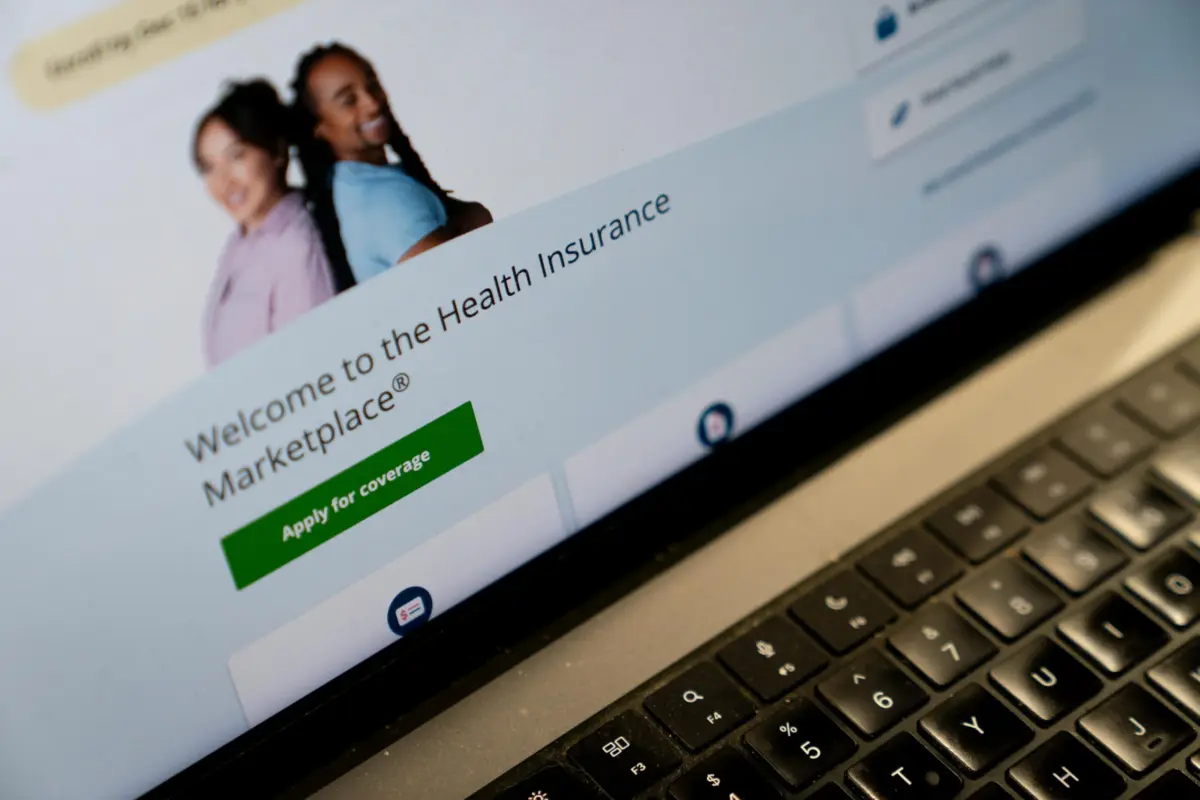
Sixteen years after President Barack Obama signed the historic Patient Protection and Affordable Care Act (ACA) into law, the landmark healthcare legislation is facing one of the most severe tests of its existence. Federal data released in June reveals a startling trend: nearly 3 million Americans have lost or dropped their health insurance through the program over the past year.
This sharp decline stems directly from a major fiscal shift. In January, congressional Republicans allowed the enhanced health insurance subsidies—implemented during the height of the COVID-19 pandemic—to expire. The immediate consequence was a shock wave across the nation’s individual insurance market, with average premiums spiking by roughly 30 percent. For millions of working-class households operating on tight budgets, this unexpected financial burden made coverage untenable, forcing them to abandon their plans entirely.
The implosion of these subsidies has thrust healthcare costs back to the forefront of the American political consciousness. With affordability ranking as the primary anxiety for voters heading into the midterm elections, candidates from both sides of the aisle are positioning healthcare as a defining campaign issue. While policy analysts point to basic economic principles—namely, that rising prices inevitably depress demand—the political divide over the root cause of the drop-off highlights a deeper ideological fracture. As premiums climb and enrollment shrinks, the debate over the future of the ACA is once again shaping up to be a high-stakes battleground.
Read Also
Detailed Chronology: From Legislative Triumph to Modern Pressures
To understand the current crisis, one must trace the evolutionary arc of the ACA, from its controversial inception to the fragile ecosystem it maintains today.
The Pre-ACA Landscape
Before the ACA was enacted in 2010, the American healthcare system—particularly the individual insurance market—was notoriously hostile to consumers. Millions of Americans who did not receive coverage through an employer were forced to navigate a fragmented and punitive private market.
Insurers operated with near-total impunity. They routinely denied coverage to individuals with "pre-existing conditions," meaning a prior diagnosis of cancer, diabetes, or even asthma could disqualify an applicant from obtaining a policy. Furthermore, insurers engaged in "post-claims underwriting," a practice where companies would meticulously comb through a newly insured person’s medical history after they fell ill, searching for any minor, undeclared past condition to retroactively cancel their policy and avoid paying claims. Gender discrimination was also standard practice; insurers routinely charged women significantly more than men for the exact same coverage.
The Legislative Breakthrough
President Obama signed the ACA into law to address these systemic failures, aiming to expand access, curb the growth of the uninsured population, and regulate abusive insurance practices.
Key provisions implemented early on included:
- The Dependent Coverage Mandate: Allowing young adults to remain on their parents’ employer-sponsored or individual health insurance plans up to age 26, a wildly popular provision that instantly brought millions of young, healthy individuals into insured pools.
- Guaranteed Issue and Community Rating: Outlawing the denial of coverage or the charging of higher rates based on pre-existing conditions, while restricting insurers from charging women higher premiums than men.
- Essential Health Benefits: Mandating that all ACA-compliant plans cover a standardized package of core medical services, including hospitalization, maternity care, mental health services, and prescription drug costs.
- Subsidized Marketplaces: Creating state and federal health insurance exchanges backed by federal subsidies to help low- and middle-income Americans offset the cost of their premiums.
The Partisan Crucible
The path to passing the ACA was intensely polarized, mirroring the hyper-partisan political environment of contemporary America. Critics argued that the legislation represented an unprecedented and unconstitutional federal overreach into the private healthcare sector, predicting it would cripple the economy and devastate the healthcare system.
For the first four to five years following its enactment, public opinion polls reflected this deep division, with favorability ratings evenly split between supporters and detractors. However, as the benefits of the law became tangible—such as millions gaining coverage and protections for pre-existing conditions becoming standard expectations—public perception shifted. In recent years, favorability ratings have risen significantly, with solid majorities now expressing support for the legislation.
The Recent Subsidy Cliff
Despite its maturation, the ACA’s financial stability has remained vulnerable to shifting congressional majorities. The introduction of enhanced premium tax credits during the pandemic artificially lowered costs, driving enrollment to record highs by ensuring that millions of Americans paid little to nothing out of pocket for their monthly premiums.
However, the expiration of those enhanced subsidies in January disrupted this equilibrium. Without federal intervention, premiums surged by an average of about 30 percent. During the subsequent open enrollment period, sign-ups dropped by roughly one million people—a 5-percent contraction. Over the ensuing months, that number escalated, culminating in a cumulative loss of nearly 3 million enrollees as policyholders defaulted on payments and were subsequently dropped from their plans.
Supporting Context & Metrics: The Economics of Healthcare Inflation
The mass exodus from the ACA marketplace cannot be viewed in a vacuum; it is part of a broader, systemic crisis of medical inflation affecting the entire American economy.
Why Are Costs Rising?
Healthcare costs in the United States have historically outpaced general inflation. This relentless upward pressure is driven by a convergence of factors:
- Pharmaceutical Costs: The escalating prices of brand-name drugs, specialty biologics, and innovative therapies place a heavy financial burden on insurance risk pools.
- Hospital Consolidation: Mergers and acquisitions among healthcare providers have created regional monopolies, giving hospital systems immense leverage to demand higher reimbursement rates from insurers.
- Labor Shortages and Wage Pressures: Post-pandemic labor shortages across the medical sector have driven up salaries and administrative costs for hospitals and clinics, expenses that are ultimately passed down to consumers.
The Insurer’s Calculus
When Congress allowed the enhanced subsidies to expire, health insurance companies were forced to recalibrate their financial models. Anticipating that healthy individuals would drop their coverage due to the sudden price spike, actuaries projected that their remaining risk pools would skew older and sicker—demographics that naturally require more intensive medical care.
To hedge against this anticipated rise in per-capita medical claims, insurers factored higher risk into their 2024 premium rates. This created a vicious cycle: higher premiums drove away healthy consumers, which further concentrated risk among the chronically ill, justifying even higher costs.
Official Statements and Perspectives
The debate over the causes and implications of the 3-million-person enrollment drop has exposed a sharp ideological divide between policy experts and political actors.
The Policy Analyst View
According to Julie Appleby, a veteran healthcare policy correspondent for KFF Health News, the mechanics of the drop-off are straightforward and rooted in classical economics.
"A lot of policy experts say, look, when you raise the price of something, demand goes down. And that’s what’s happening here," Appleby explained in an interview on the Today, Explained podcast. "It’s the prices—people are dropping out."
Appleby notes that while the ACA successfully pushed the national uninsured rate down from 13 or 14 percent to a historic low of under 8 percent prior to the subsidy expiration, it has continuously struggled with the foundational issue of long-term cost containment.
"Did it control costs? That’s a harder one to answer," Appleby said. "Costs have continued to go up. Premiums are definitely higher than they were pre-ACA. To be fair, the plans are very different. They cover more, they’re more generous, they’re better coverage, but they are more expensive."
The Political and Conservative View
Conversely, congressional Republicans and conservative policy groups offer a different interpretation of the dwindling enrollment numbers. Proponents of this view argue that the drop-off does not necessarily represent a crisis of affordability, but rather the purging of artificial and fraudulent inflation from the system.
Critics of the expanded pandemic-era subsidies point out that zero-premium plans and loose verification protocols during the public health emergency led to widespread improper enrollment. From this perspective, the millions of Americans leaving the program are primarily those who were improperly or fraudulently signed up, and their departure reflects a return to a more disciplined, accurate marketplace rather than a policy failure.
Future Outlook: The 2026 Midterms and Beyond
As the political landscape pivots toward the midterm elections, healthcare affordability has re-emerged as a potent wedge issue. Voters consistently rank the cost of living—with healthcare at the epicenter—as their primary concern.
Candidates are once again challenged to present viable solutions to a complex problem. Democrats are expected to campaign heavily on restoring the expired enhanced subsidies, framing the current drop in enrollment as a manufactured crisis engineered by conservative fiscal policy. Republicans, meanwhile, are likely to emphasize deregulation, association health plans, and free-market mechanisms as alternatives to government-subsidized mandates.
Whether either party can advance substantive, passable legislation to lower the structural drivers of medical inflation remains highly questionable. What is certain, however, is that the ACA—sixteen years after its turbulent birth—remains a vital yet fragile lifeline for millions of Americans, and its fiscal health will heavily influence the outcome of the upcoming elections.





Comments
Facebook App ID not configured. Please add it in the Customizer.