
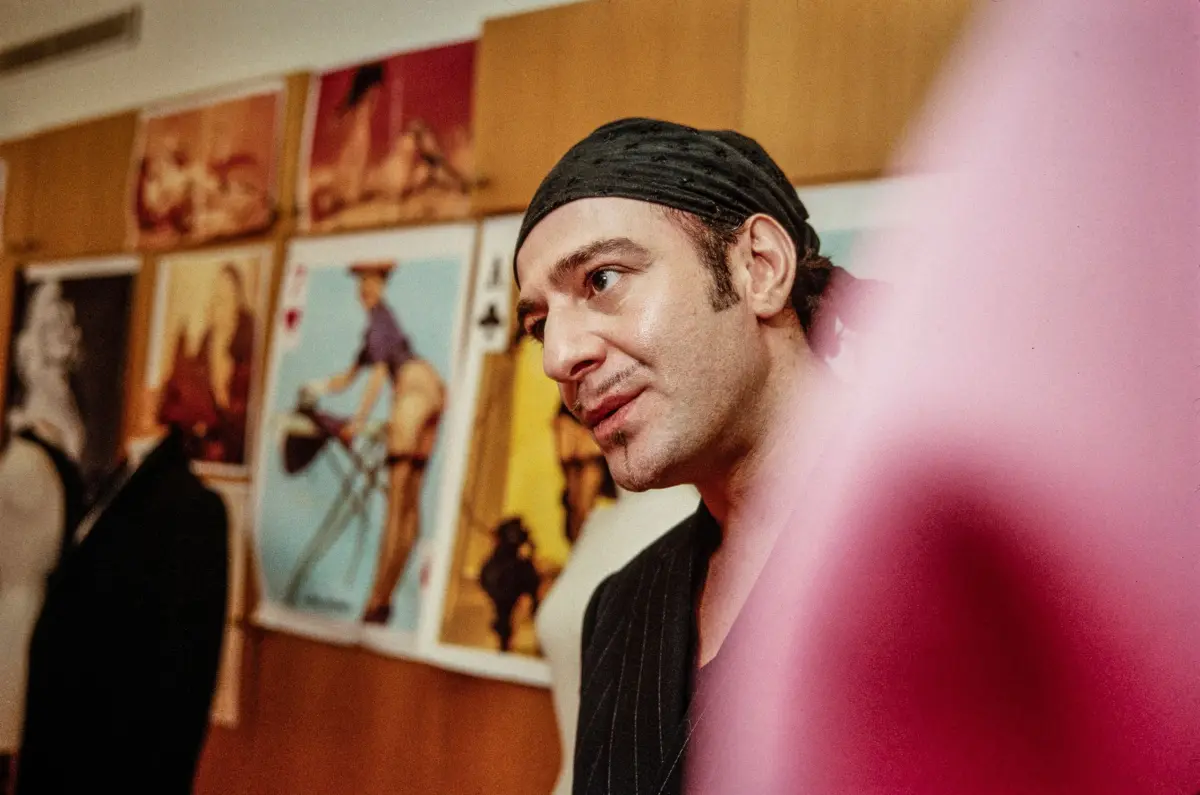
On August 31st, precisely thirty days after its initial announcement, the Metropolitan Museum of Art officially canceled a planned Costume Institute exhibition and gala honoring the controversial British fashion designer John Galliano. The decision followed an intense month-long public backlash, financial threats from high-profile cultural benefactors, and vocal opposition from local political leaders and community organizations.
The controversy laid bare a deep institutional fracture within the cultural elite. Driven by Vogue global editorial director Anna Wintour and Costume Institute chief curator Andrew Bolton, the museum sought to frame the retrospective as an exploration of artistic genius alongside ethical accountability. However, critics argued that elevated honors—reserved for only a handful of living creators in the history of the museum—transcended mere forgiveness or professional rehabilitation. Galliano, who was convicted by a French court in 2011 for making vile, antisemitic and anti-Asian remarks at a Paris café, had already successfully returned to the fashion industry. Yet, the attempt to bestow upon him the ultimate cultural consecration at the Met Gala sparked widespread outrage at a time of rising global antisemitism.
The decision to abort the show highlights the limits of executive power within elite cultural institutions. While the fashion industry had long since welcomed Galliano back into its commercial fold, public institutions operating under municipal oversight and donor scrutiny faced a fundamentally different set of ethical obligations.
Read Also
Detailed Chronology
[Feb 2011] Paris Cafés Incident & Video Release
    │
[Sept 2011] French Court Conviction (Hate Crime) & Dior Firing
    │
[2011–2013] Rehabilitation & Religious Outreach (Rabbi Marcus, ADL)
    │
[2013] Oscar de la Renta Residency (Brokered by Anna Wintour)
    │
[2014] Appointed Creative Director at Maison Margiela
    │
[2021–2024] Repeated Internal Met Proposals for Galliano Retrospective
    │
[Late July] Met Formally Announces Galliano Exhibition & Gala
    │
[August] Public Firestorm: Politician Letters, Donor Ultimatums (Arne Glimcher)
    │
[August 31] Metropolitan Museum Officially Cancels Exhibition
The 2011 Downfall and Legal Conviction
The origin of the controversy dates back to early 2011, when Galliano—then serving as the creative director of Christian Dior—was involved in three separate encounters at La Perle café in the Le Marais district of Paris. A video published by The Sun captured an intoxicated Galliano making explicit antisemitic declarations to nearby patrons: "I love Hitler. People like you would be dead today. Your mothers, your forefathers, would be fucking gassed."
During another tirade, Galliano targeted museum curator Geraldine Bloch and her friend Philippe Virgitti, uttering severe racial slurs and threatening violence. Testimony revealed that Galliano used the word "Jewish" approximately thirty times during a forty-five-minute rant. Shortly thereafter, Christian Dior dismissed Galliano from the helm of the fashion house, ending a fifteen-year tenure. In September 2011, a French court found Galliano guilty of making public insults based on origin, religious belief, race, or ethnicity—a criminal hate crime under French law. He received suspended fines totaling €6,000.
Rehabilitation and Commercial Return
Following his conviction, Galliano cited a "triple addiction" to alcohol, Valium, and sleeping pills, claiming the pressures of managing massive global brands had broken his mental health. He completed rehabilitation programs in Arizona and Switzerland, insisting he was not a bigot but "someone who needed help."
Over the next two years, Galliano engaged in a structured process of penance and re-education. He studied under Rabbi Barry Marcus in London and met extensively with Abraham Foxman, then the national director of the Anti-Defamation League (ADL). By January 2013, Foxman publicly validated Galliano’s efforts, noting that the designer had worked arduously to research the evils of bigotry.
That same month, Anna Wintour helped broker a temporary residency for Galliano at Oscar de la Renta. By late 2014, Galliano was appointed creative director of Maison Margiela, marking his full reinstatement into high fashion. Over the following decade, he regularly dressed Hollywood celebrities, collaborated with fast-fashion giants like Zara, and designed custom pieces for prominent figures at the Met Gala itself, including Kim Kardashian in 2024.
The Met’s Failed Proposals and August Crisis
For at least three years, Wintour and Andrew Bolton actively pushed to dedicate the Met’s marquee spring exhibition to Galliano’s design legacy. An initial attempt for the spring 2024 show was quietly shelved in favor of the theme "Sleeping Beauties: Reawakening Fashion."
When the Met re-announced plans for a Galliano retrospective to open in 2025, the institutional calculus quickly unraveled. Over the course of August, widespread public outcry erupted across New York City. Facing impending threats from core financial backers and public calls for cancellation from city and state representatives, the museum formally nixed the project on August 31st—exactly one month after its announcement.
Supporting Context & Metrics
The Economics of Fashion and Institutional Honor
Galliano’s rise during the mid-1990s coincided with a seismic transformation in the fashion economy. Alongside peers like Alexander McQueen, Galliano transformed traditional, house-bound couture into a global mass-entertainment spectacle. As chronicled in Dana Thomas’s Gods and Kings: The Rise and Fall of Alexander McQueen and John Galliano, the intense commercial demands of multibillion-dollar conglomerates pushed both designers to psychological extremes. McQueen died by suicide in 2010; Galliano suffered a public crisis that ended his career at Dior.
| Designer Feature | John Galliano | Alexander McQueen | Karl Lagerfeld |
|---|---|---|---|
| Met Retrospective Year | Canceled (2024 / 2025) | 2011 (Savage Beauty) | 2023 (A Line of Beauty) |
| Status at Time of Honor | Living | Deceased (Honored Posthumously) | Deceased (Honored Posthumously) |
| Primary Industry Impact | Dior, Maison Margiela, Givenchy | Givenchy, Alexander McQueen | Chanel, Fendi, Chloe |
| Key Controversy | 2011 Criminal Hate Crime Conviction | Personal & Professional Struggles | Controversial Public Statements |
The debate surrounding the Met exhibition hinged on the critical distinction between personal forgiveness and public honor:
- Commercial Viability vs. Cultural Consecration: Galliano was already professionally active, highly compensated, and routinely featured on international red carpets.
- Posthumous vs. Living Honors: Retrospectives at the Met Costume Institute have almost exclusively honored historical figures or deceased icons. Only two living designers had ever received dedicated solo exhibitions at the Met prior to this proposal. Critics noted that while controversial figures like Karl Lagerfeld were celebrated after death, honoring a living designer grants direct financial, commercial, and reputational benefits to an active brand.
- The Gala Economy: The Met Gala serves as the sole source of annual funding for the Costume Institute, routinely raising tens of millions of dollars. Blending a celebratory, celebrity-driven fundraising party with an exhibition exploring criminal hate speech created an insurmountable cultural contradiction.
Official Statements & Key Reactions
The proposal met with resistance across political, philanthropic, and religious lines, forcing institutional leaders into an untenable position.
                   ┌────────────────────────────────────────┐
                   │    Met Costume Institute Proposal      │
                   └──────────────────┬─────────────────────┘
                                      │
         ┌────────────────────────────┼────────────────────────────┐
         ▼                            ▼                            ▼
┌─────────────────┐          ┌─────────────────┐          ┌─────────────────┐
│ Political Class │          │ Cultural Donors │          │ Religious Body  │
└────────┬────────┘          └────────┬────────┘          └────────┬────────┘
         │                            │                            │
 ┌───────┴───────┐            ┌───────┴───────┐            ┌───────┴───────┐
 │ Brad Lander   │            │ Arne Glimcher │            │ ADL & URJ     │
 │ Julie Menin   │            │ Alice Tisch   │            │ Rabbi Ingber  │
 │ Micah Lasher  │            └───────────────┘            └───────────────┘
 └───────────────┘
Political Leaders
-
Brad Lander, Democratic congressional candidate from Brooklyn, told The New York Times:
"This seems very straightforward to me. The Met should cancel the exhibition and pick a new Met Gala honoree."
-
Julie Menin, Speaker of the New York City Council and daughter of Holocaust survivors, authored an official letter to Met leadership:
"I believe in repentance and second chances, but honoring Mr. Galliano at the Metropolitan Museum of Art goes far beyond mere forgiveness."
-
Micah Lasher, New York State Assemblyman:
"I am baffled that anyone saw this as anything other than a terrible idea."
-
Mamdani Administration: Issued a statement characterizing Galliano’s past remarks as:
"…repeated use of vile, antisemitic language that has no place in public life or cultural institutions."
Cultural Benefactors and Donors
- Arne Glimcher, founder of Pace Gallery and prominent Met patron, publicly threatened to cut the museum out of his estate plans if the exhibition proceeded.
- Alice Tisch, influential philanthropist and long-time donor, engaged in high-level discussions with the Met’s board of trustees, pressuring leadership to protect the museum’s civic mandate.
Religious and Community Leaders
-
Jonathan Greenblatt, CEO of the Anti-Defamation League (ADL), clarified his position on X (formerly Twitter) after initial reports suggested unqualified support:
"Some Jews may question the decision to include Galliano’s work in an exhibit given the massive spike in antisemitism in recent years. And it’s not just the increase in incidents that’s at issue; it’s also the insensitivity that political leaders in this city and elsewhere have shown toward the Jewish community."
-
Rabbi David Ingber, Senior Director of the Bronfman Center at 92Y:
"The decision put the Jewish community in a no-win position. Either we are blamed for being overly sensitive and not allowing him to be honored, or we are complicit."
Future Outlook & Institutional Implications
The abrupt cancellation leaves the Metropolitan Museum scrambling to reorganize its schedule for upcoming Costume Institute exhibitions. The museum must now rapidly pivot to develop an alternative theme for its 2027 showcase, replicating the strategy employed when "Sleeping Beauties" was substituted for the previous Galliano proposal in 2024.
Curatorial Accountability and Management
The episode highlights significant governance blind spots within the Met. Reports indicate that Wintour and chief curator Andrew Bolton proceeded with plans after consulting selected religious leaders, believing they had secured tacit approval from the Jewish community under the principle of teshuvah (repentance). However, by failing to properly brief the full board of trustees or anticipate the public reaction, leadership exposed a gap between elite curatorial authority and broader public sentiment.
Industry Commentary and Cultural Realities
Pulitzer Prize-winning fashion critic Robin Givhan offered a widely cited perspective, suggesting that while Galliano’s technical mastery is undeniable, combining a serious curatorial inquiry into artistic ethics with a glamorous, celebratory red-carpet gala is inherently flawed:
┌─────────────────────────────────────────────────────────────────────────┐
│                      The Met Gala Dilemma                               │
├────────────────────────────────────────┬────────────────────────────────┤
│          Curatorial Exhibition         │       Celebrity Met Gala       │
├────────────────────────────────────────┼────────────────────────────────┤
│ • Critical inquiry into art vs. ethics │ • High-glamour red carpet event │
│ • Analysis of technical achievement    │ • Corporate sponsorships       │
│ • Nuanced exploration of accountability│ • Millions raised for Institute│
└────────────────────────────────────────┴────────────────────────────────┘
                 ▲                                        ▲
                 └────────────── INCOMPATIBLE ────────────┘
Givhan noted that canceling the gala while maintaining a serious exhibition on Galliano’s design legacy might have been the intellectually honest choice, yet acknowledged that such a solution was practically impossible given the millions of dollars the gala generates for the institute.
Institutional Governance
Despite the administrative friction, governance experts view the cancellation as a rare example of functioning institutional checks and balances. In an era where corporate and cultural leadership frequently resists public accountability, the swift reversal demonstrated that public pressure, municipal oversight, and donor ethics can still successfully check executive overreach.
For Galliano, his commercial standing remains secure—his collections continue to sell, and his high-street partnerships remain lucrative. However, the Met’s decision establishes a clear boundary within the cultural landscape: while the commercial market may choose to move on from past transgressions, premier public institutions will not grant their highest civic honors when accountability remains in doubt.



Comments
Facebook App ID not configured. Please add it in the Customizer.