
Executive Overview
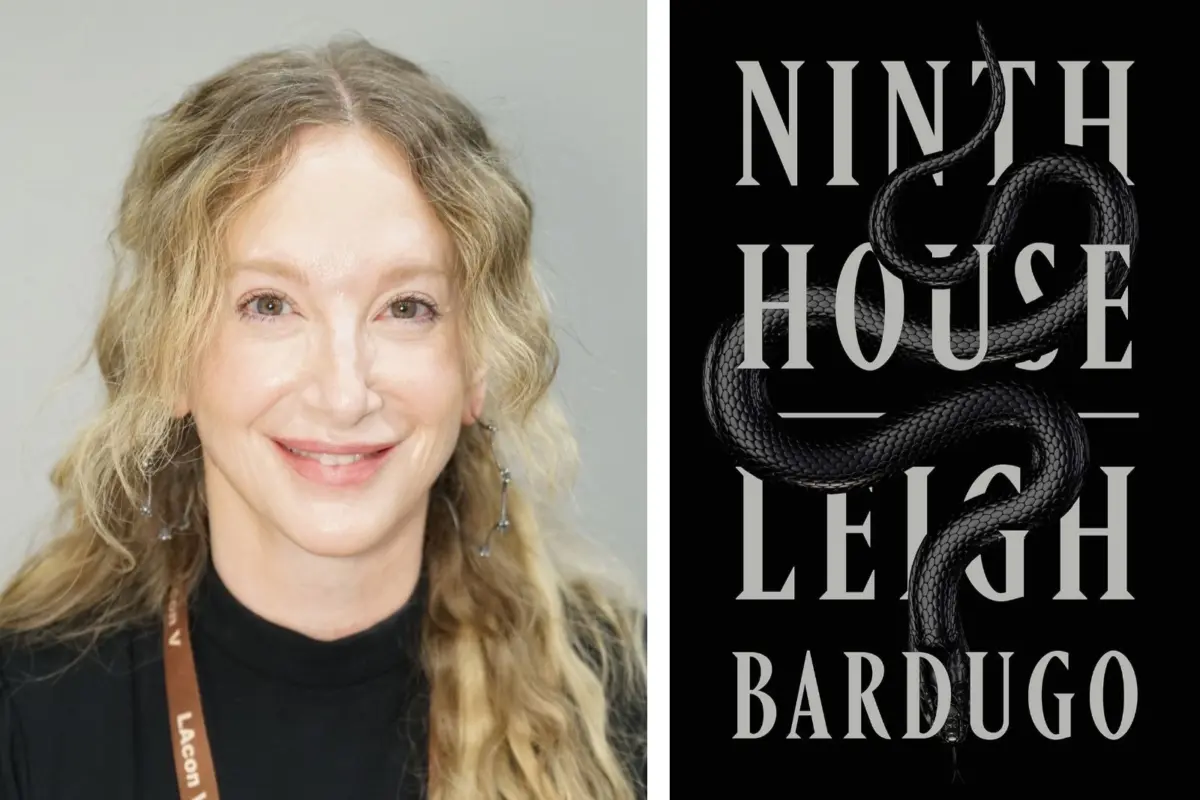
The journey of Leigh Bardugo’s bestselling dark fantasy novel Ninth House from the page to the screen has officially hit a dead end at Amazon MGM Studios. Nearly seven years after initial reports surfaced that the streaming giant had acquired the rights to develop the book as a high-end television series, industry sources have confirmed that the project is no longer in active development.
The adaptation, which initially promised to bring Bardugo’s visceral, esoteric depiction of Yale University’s infamous secret societies to life, joins a growing graveyard of high-profile fantasy properties that failed to make the leap from development hell to actual production. While Bardugo delighted fans in 2023 by revealing that a pilot script had been successfully drafted—a collaborative effort she heavily contributed to—subsequent radio silence from the studio ultimately signaled trouble behind the scenes.
For the fantasy community, the cancellation is a bitter pill. Ninth House inaugurated a critically acclaimed adult dark fantasy trilogy that continued with 2023’s Hell Bent and concluded earlier this year with Dead Beat. Set within a shadowy, magical underbelly of Ivy League privilege, the series has cultivated a fiercely loyal readership. The termination of the Amazon series underscores the volatile nature of the current streaming landscape, where even established intellectual property with built-in audiences and award-winning source material can quietly be abandoned.
Read Also
Yet, as the dust settles on this latest adaptation casualty, hope persists within the literary and television communities. Industry analysts note that turnaround rights and closed pipelines do not necessarily mean the end of the road for the Intellectual Property (IP). With other studios actively hunting for the next breakout fantasy franchise—and with Netflix having previously adapted Bardugo’s Grishaverse in Shadow and Bone—there remains a distinct possibility that Alex Stern and the Lethal Nine could find a more hospitable home elsewhere.
Detailed Chronology of an Adaptation Stalemate
To understand how the Ninth House television project crumbled, it is necessary to examine the timeline of its development, marked by long stretches of dormancy interspersed with rare moments of public optimism.
The Initial Acquisition (2018–2019)
The story began shortly after the publication of Ninth House in October 2019. Even prior to the book’s explosive commercial success and critical acclaim—including a Goodreads Choice Award for Best Fantasy—industry whispers indicated high-level interest in its cinematic potential. In late 2019, news broke that Amazon Studios had officially optioned the rights to adapt the novel into a series. At the time, the deal was heralded as a major win for Amazon’s burgeoning fantasy slate, which was already heavily invested in high-budget world-building via projects like The Lord of the Rings: The Rings of Power.
The Years of Silence (2020–2022)
Following the initial announcement, the project entered an extended period of developmental quietude. Compounded by the global disruptions of the COVID-19 pandemic, which upended production schedules across Hollywood throughout 2020 and 2021, Ninth House seemed to vanish into the corporate ether. Fans eagerly scouring trade publications for casting news, showrunner appointments, or director attachments were met with total silence. During this window, Amazon underwent leadership shuffles and shifting strategic priorities, moving away from mid-tier speculative fiction toward guaranteed four-quadrant hits or hyper-niche prestige dramas.
The Pilot Script Reveal (2023)
A flicker of hope emerged in 2023 when Leigh Bardugo herself offered a rare update regarding the status of the adaptation. Speaking directly to readers, Bardugo revealed that the project was not entirely dead; rather, a pilot script had been successfully formulated, with the author actively participating in the writers’ room to ensure the adaptation honored the intricate lore of the novel. This revelation injected a fresh wave of optimism into the fan base, suggesting that pre-production milestones were quietly being cleared. However, looking back, the reliance on a singular script without a subsequent greenlight for a series order was likely an early warning sign of creative or budgetary gridlock.
The Quiet Cancellation (Late 2024–Present)
The final nail in the coffin arrived not through a formal press release from Amazon MGM Studios, but via the investigative reporting of entertainment journalists. In the latest installment of his reader Q&A column, trusted industry insider Matt Webb Mitovich of Matt’s Inside Line addressed a query regarding the long-dormant project. Citing direct sources within Amazon MGM Studios, Mitovich confirmed that Ninth House was no longer an active concern at the studio. The project had been quietly retired, bringing an unceremonious close to a seven-year development cycle.
Supporting Context & Metrics: The Weight of the Ninth House Universe
The abandonment of the Ninth House IP by Amazon is particularly striking when contextualized against the commercial and cultural footprint of Leigh Bardugo’s literary output. Bardugo is not a speculative fiction newcomer; she is a proven powerhouse in the young adult and adult fantasy markets.
The Power of the Alex Stern Trilogy
Ninth House introduced readers to Galaxy "Alex" Stern, a troubled protagonist with the ability to see ghosts, who is offered a life-changing opportunity: a full ride to Yale University contingent on her serving as an overseer for the school’s secret societies. These societies—Skull and Bones, Scroll and Key, and others—do not merely harbor institutional power; they practice dangerous, illicit magic.
The trilogy’s metrics speak for themselves:
- Critical Acclaim: Ninth House was named a New York Times bestseller, a USA Today bestseller, and received widespread praise from outlets like The Washington Post, Time, and NPR. Stephen King famously praised the novel, calling it "The best fantasy novel I’ve read in years."
- Expanding Lore: The sequel, Hell Bent, was released in January 2023 to immense fan enthusiasm, further cementing Alex Stern as a premier protagonist in modern dark fantasy.
- Trilogy Completion: The publication of the third installment, Dead Beat, earlier this year brought a definitive narrative arc to the series, providing a complete blueprint for any prospective television adaptation that would not risk outrunning its source material—a frequent pitfall in book-to-screen transitions (as infamously seen with HBO’s Game of Thrones).
The Streaming Landscape and Adaptation Fatigue
The failure of Ninth House to clear Amazon’s development hurdles reflects a broader industry trend. In the wake of the post-pandemic streaming correction, studios have significantly tightened their purse strings. High-fantasy and dark-fantasy series require massive budgets for visual effects, period-accurate set design, and complex world-building.
Furthermore, Amazon’s historical struggles with translating complex book series into cohesive, long-running television shows—barring a few mega-hits—suggests that executive appetite for risk has plummeted. When faced with the dark, graphic, and morally ambiguous content of Ninth House—which deals heavily with themes of trauma, violence, and the occult—executives may have balked at the financial commitment required to execute the vision properly.
Official Statements and Industry Insights
While Amazon MGM Studios has declined to issue a detailed public post-mortem regarding the cancellation of the project, industry insiders have offered illuminating perspectives on how development deals operate in contemporary Hollywood.
The revelation via Matt Webb Mitovich’s reporting highlights a common Hollywood practice: projects are often left to languish in development limbo rather than being formally canceled, sparing studios unfavorable PR headlines. However, as talent contracts expire and options lapse, the reality of these cancellations inevitably leaks out.
Leigh Bardugo has maintained a pragmatic stance on Hollywood adaptations throughout her career. Following the premature cancellation of Netflix’s Shadow and Bone series—which cut short the television life of her Grishaverse characters—Bardugo has been vocal about the precarious nature of streaming television. In previous statements addressing the adaptation process, she emphasized the collaborative nature of working with studios while acknowledging that creative visions do not always align with corporate matrixes.
Industry analysts point out that the shelving of Ninth House does not reflect a lack of audience demand. Dark academia and adult fantasy remain among the most lucrative subgenres in modern publishing, driven largely by passionate online communities on platforms like BookTok. The appetite for stories featuring morally grey characters, institutional corruption, and supernatural mysteries has never been higher, making Amazon’s decision a missed opportunity to capture a massive, pre-engaged demographic.
Future Outlook: Where Does the IP Go From Here?
As the initial disappointment among fans begins to wane, attention naturally shifts to the future. Does the death of Ninth House at Amazon mean the end of Alex Stern’s screen aspirations forever? Not necessarily.
The Mechanics of Adaptation Rights
When a studio options a book for adaptation, the agreement is bound by a specific timeframe. If the studio fails to move the project into production within a designated window, the rights typically revert to the author.
Given that Amazon has officially let the project drop from its active development slate, it is highly probable that the adaptation rights have either already reverted to Bardugo or will do so shortly. This frees the author and her representatives to shop the property to competing studios, streaming services, or cable networks.
Potential Suitors in a Crowded Market
The television landscape is fiercely competitive, and networks are constantly searching for established intellectual property with built-in fanbases. Several platforms could emerge as ideal homes for a Ninth House revival:
- HBO / Max: Known for prestige, high-budget adaptations of complex literary works (such as House of the Dragon and The Last of Us), HBO has the mature tone and financial backing necessary to properly execute the dark, violent, and gritty reality of Yale’s magical underbelly.
- FX / Hulu: With a track record of producing edgy, character-driven genre television (Shōgun, What We Do in the Shadows), the Disney-backed networks possess the creative freedom to handle the darker thematic elements of Bardugo’s work without diluting its edge.
- Apple TV+: Renowned for its commitment to high-end science fiction and fantasy world-building (Foundation, Silo), Apple TV+ could provide the cinematic sheen and budgetary support required to bring New Haven and the Grey to life.
Conclusion
While the confirmation that Ninth House is dead at Amazon is undoubtedly a setback, it is merely one chapter in the complex ongoing relationship between literature and television. Leigh Bardugo’s universe remains as vibrant, intricate, and commercially viable as ever. For the legions of fans who fell in love with Alex Stern, Darlington, and the clandestine societies of Yale, the hope remains that another network will recognize the extraordinary potential waiting within the pages of the trilogy—and finally unlock the gates to the Ninth House.

Comments
Facebook App ID not configured. Please add it in the Customizer.