
In an era dominated by curated digital identities, hyper-refined social media algorithms, and rigid, unrealistic cultural standards of physical appearance, the battle for children’s self-esteem begins earlier than ever. Modern children are frequently exposed to implicit biases, narrow aesthetic benchmarks, and subtle microaggressions regarding weight, height, ability, facial features, and cultural background.
Fortunately, a growing wave of contemporary picture books and middle-grade literature is challenging these toxic narratives. Driven by visionary authors and illustrators, these works offer young readers essential frameworks for self-acceptance, body literacy, emotional resilience, and radical empathy.
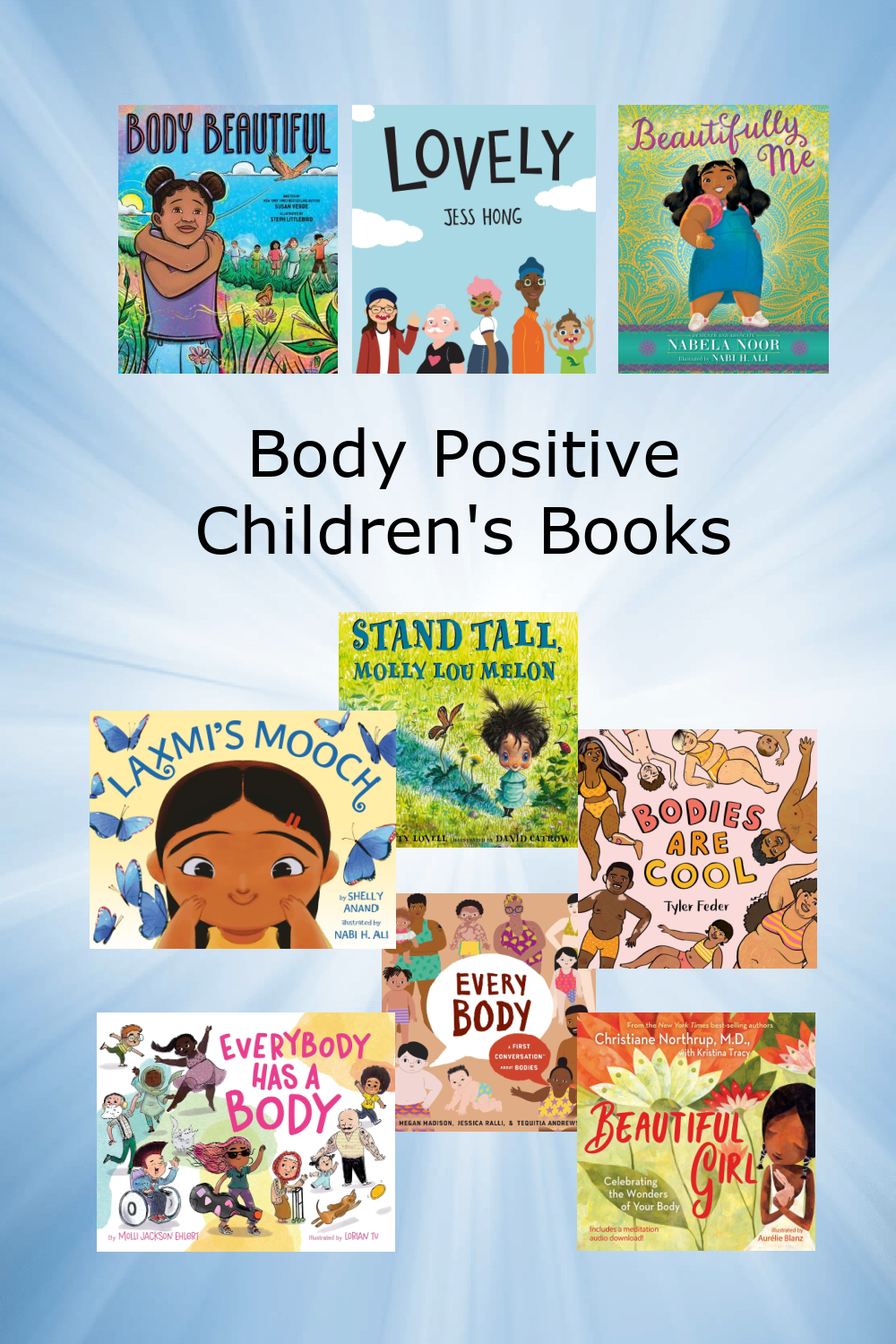
This comprehensive review explores an influential curated reading list inspired by Susan Verde’s acclaimed picture book, Body Beautiful. Spanning toddler board books to middle-grade novels, these selections actively dismantle ableism, fatphobia, colorism, and narrow Eurocentric definitions of beauty. By spotlighting physical functionality, emotional intelligence, and diverse human forms, this collection serves as a vital toolkit for parents, educators, and librarians dedicated to fostering healthy body images in the next generation.
Read Also
Detailed Chronology: The Evolution of Body Image Literature for Young Readers
To understand the current landscape of body-positive children’s books, it is helpful to trace how the genre has evolved from simplistic moral tales into sophisticated explorations of identity, accessibility, and systemic bias.
Phase One: The Foundation of Self-Esteem (Early 2000s)
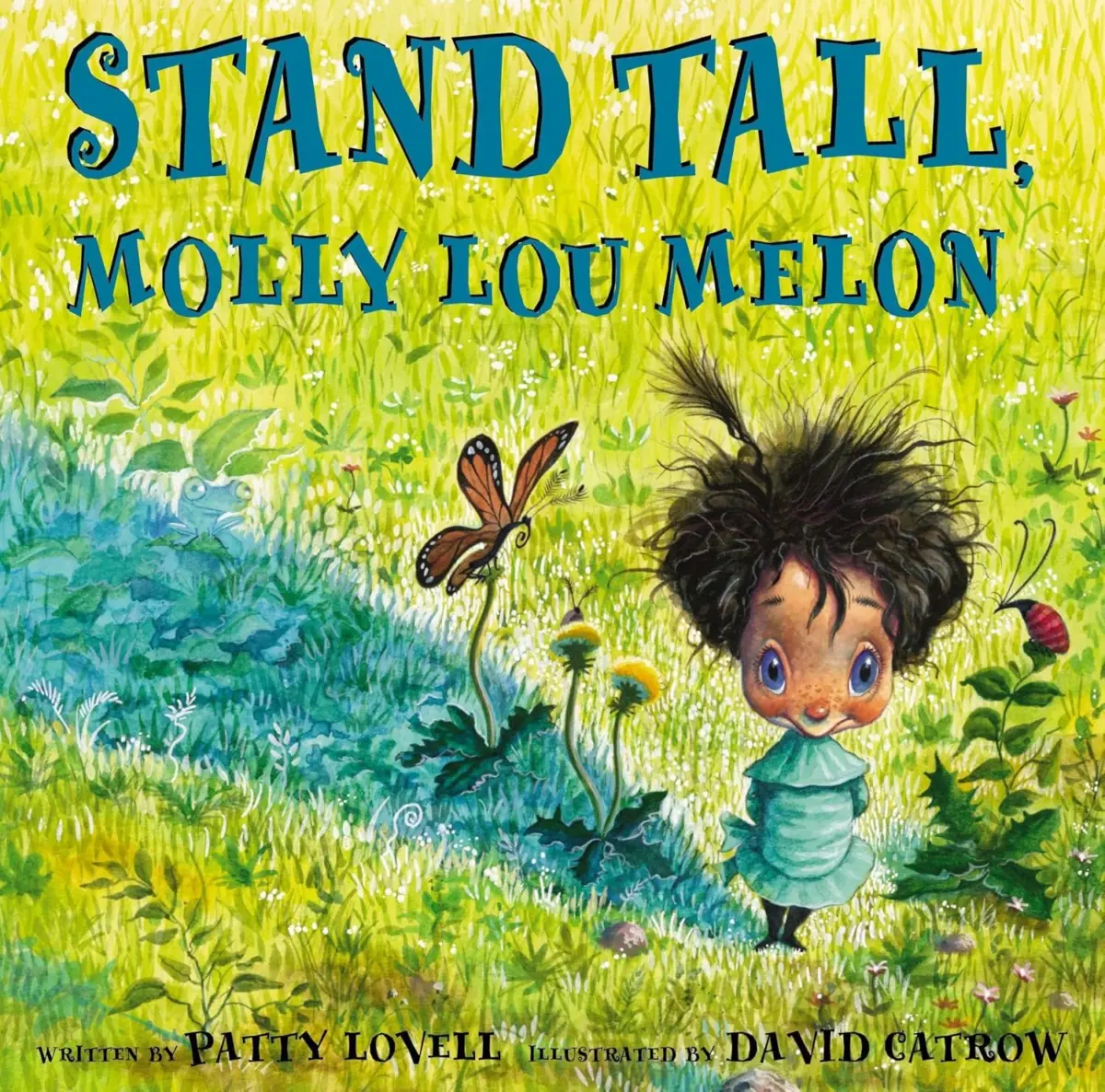
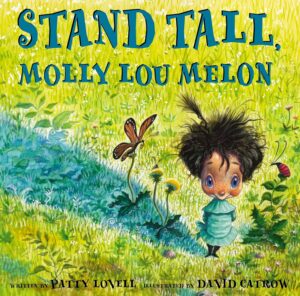
Early milestones in the genre focused primarily on individual non-conformity and personal pride. A foundational text of this era is Patty Lovell’s Stand Tall, Molly Lou Mellon (illustrated by David Catrow). Published to critical acclaim, the narrative follows young Molly Lou—characterized by her short stature, buck teeth, and deep voice—as she navigates a new school environment. Armed with wise counsel from her grandmother, Molly Lou turns her perceived "flaws" into sources of strength. When confronted by a bully, she maintains her confidence, ultimately winning over her peers through sheer authenticity. This era established that children’s literature could actively counteract peer victimization by reframing physical differences as unique assets.
Phase Two: Expanding Cultural and Intersectional Perspectives (2010s–2020)
As the literary market demanded greater representation, authors began exploring how body image intersects with culture, race, and family dynamics.
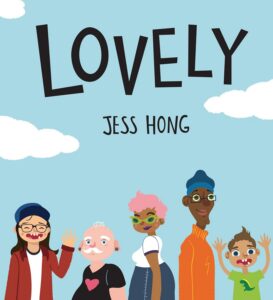
- Jess Hong’s Lovely (published in the mid-2010s) utilized sparse text and vibrant, inclusive illustrations to redefine the concept of beauty, asserting that being "different, weird, and wonderful" is universal.
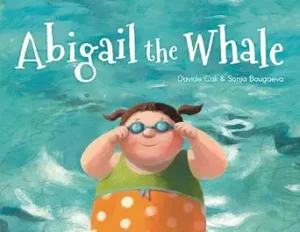
- Davide Cali’s Abigail the Whale (illustrated by Sonja Bougaeva) introduced cognitive reframing and a growth mindset. When classmates label Abigail a "whale" due to her large splash in swim class, her coach teaches her the power of positive thinking and imagination—transforming her self-perception from heavy to light, agile, and powerful.
Phase Three: Modern Intersectional Advocacy and Body Liberation (2021–Present)
The most recent publishing cycle has broken new ground by addressing complex structural issues—such as fat activism, disability justice, systemic colorism, and anti-Asian microaggressions—directly with young audiences.
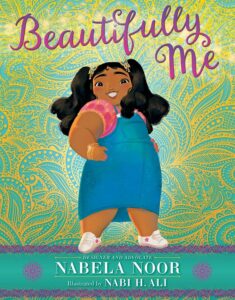
- Nabela Noor’s Beautifully Me (illustrated by Nabi H. Ali) tackles generational body shaming when young Zubi overhears family members criticizing their own bodies on her first day of school.
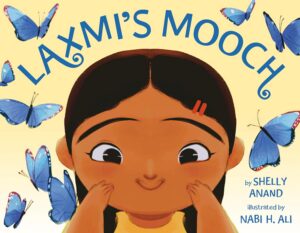
- Shelly Anand’s Laxmi’s Mooch (illustrated by Nabi H. Ali) normalizes body hair and shatters gendered expectations around appearance.
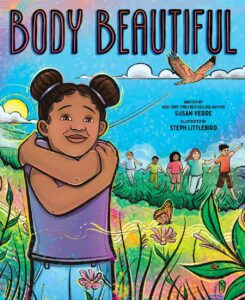
- Susan Verde and Steph Littlebird’s Body Beautiful re-centers the conversation around physical functionality, positioning the body as a wise, expressive vessel deserving of radical love rather than an object for external evaluation.
Supporting Context & Metrics: The Urgent Need for Body-Positive Early Intervention
Research across developmental psychology, pediatrics, and sociology underscores the critical need for early literacy interventions centered on body acceptance.
The Psychological Impact of Media Exposure
According to studies by organizations like the Common Sense Media and the American Psychological Association, signs of body dissatisfaction and dieting behaviors manifest in children as young as six years old. Exposure to filtered images on digital platforms and casual weight-stigmatizing remarks by family members (often referred to in literature as "fat talk") significantly degrade a child’s baseline self-worth.
Key Themes Addressed in Contemporary Literature
Modern literature targeted at children ages 2 through 12 addresses several distinct pillars of body liberation:
- Functional Body Literacy: Shifting the conversation from how a body looks to what a body can do (e.g., moving through the world, dancing, swimming, resting).
- Disability Justice and Ableism: Normalizing adaptive devices, diverse mobility aids, and neurodiversity (exemplified by titles like We Move Together and Every Body: A First Conversation about Bodies).
- Cultural and Racial Affirmation: Challenging Eurocentric beauty standards—such as the policing of eye shapes, skin tones, and body hair—to ensure children of all backgrounds see their identities reflected and honored.
Curated Book Selections: Comprehensive Reviews
1. Beautifully Me by Nabela Noor, illustrated by Nabi H. Ali
- Target Audience: Picture book, ages 2 and up
- Core Synopsis: It’s Zubi’s first day of school, and she is brimming with excitement as she gets dressed. However, her joy is punctured when she overhears negative self-talk from her Amma about her big tummy, her older sister’s weight loss aspirations, and her Baba’s anxieties about gaining weight. Later at school, a classmate remarks that they look "fat" in their dress, plunging Zubi into a state of self-doubt. At home, Zubi announces she wants to go on a diet, shocking her family into recognizing the harmful impact of their casual remarks. They apologize and reaffirm her worth, noting that her name means "loving and understanding." Zubi resolves to spread beauty, making her second day of school a triumph.
- Memorable Quote: "A beautiful person is someone who embraces who they are and helps others do the same. There is only one Zubi, and that makes you beautiful, you."
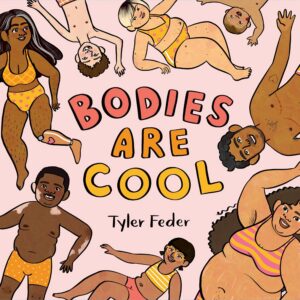
2. Bodies Are Cool by Tyler Feder
- Target Audience: Picture book, ages 2 and up
- Core Synopsis: Tyler Feder’s vibrant, inclusive masterwork ensures that every conceivable type of body is represented on the page. Featuring individuals of various sizes, skin tones, physical abilities, and gender expressions, the book operates as an enthusiastic, celebratory chant. It is uniquely engineered as an interactive read-aloud designed for caregivers and young children to shout out affirmations together with unbridled joy.
3. Stand Tall, Molly Lou Mellon by Patty Lovell, illustrated by David Catrow
- Target Audience: Picture book, ages 2 and up
- Core Synopsis: Armed with invaluable self-esteem lessons from her grandmother—who taught her that short stature means people will look up to you, buck teeth create smiles worth sharing, and a deep voice demands to be heard—Molly Lou moves away with unshakable confidence. When a schoolyard bully tries to belittle her, Molly Lou responds with unwavering poise and a bright smile, ultimately winning over the entire classroom and transforming the bully into a friend.
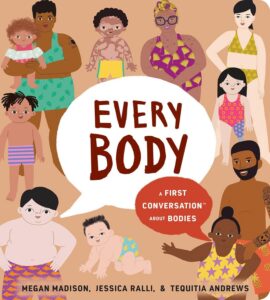
4. Every Body: A First Conversation about Bodies by Megan Madison and Jessica Ralli, illustrated by Tequitia Andrews
- Target Audience: Picture book, ages 3 and up
- Core Synopsis: For caregivers seeking a direct, didactic, and educational approach, this text provides an exceptional starting point. Designed specifically for preschoolers, it broaches sophisticated sociological concepts with accessible language, covering ableism, body diversity, disability justice, fatphobia, fat activism, and comprehensive body affirmation.
5. Body Beautiful by Susan Verde, illustrated by Steph Littlebird
- Target Audience: Picture book, ages 4 and up
- Core Synopsis: Susan Verde and Steph Littlebird present a transformative paradigm shift: framing the body as something functionally brilliant, wonderfully expressive, deeply wise, and inherently deserving of love. Serving as a direct counterweight to social media’s rigid and unrealistic aesthetic molds, this book encourages children to honor their physical forms for what they experience and achieve. (Note: The author is hosting a book giveaway for this title; readers can enter by leaving a comment on the original publication thread).
6. Lovely by Jess Hong
- Target Audience: Picture book, ages 4 and up
- Core Synopsis: Utilizing minimal text and striking illustrations, Lovely broadens the definition of beauty to include everyone. It acts as an open-ended celebration of human diversity, teaching young minds that looking different is not a deviation from the norm, but rather the very essence of wonder.
- Memorable Quote: "Lovely is different, weird, and wonderful."
7. Laxmi’s Mooch by Shelly Anand, illustrated by Nabi H. Ali
- Target Audience: Picture book, ages 4 and up
- Core Synopsis: When classmates point out that Laxmi has a mustache, she spends a miserable day feeling deeply embarrassed. Upon returning home, her parents offer a reassuring, body-positive perspective: human bodies grow hair in all sorts of places, and mustaches are entirely normal. Empowered by this conversation, Laxmi returns to school the next day ready to share this message of acceptance with her peers.
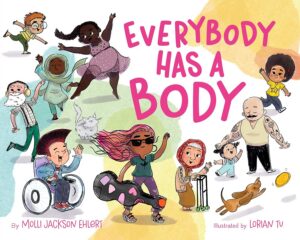
8. Every Body Has a Body by Molli Jackson Ehlert, illustrated by Lorian Tu
- Target Audience: Picture book, ages 4 and up
- Core Synopsis: This title roots body appreciation in utility rather than aesthetics. Emphasizing that every body has a unique structure designed to move us through the world, the book reminds children that while bodies may look vastly different, they share a common purpose: keeping us alive, active, and engaged.
9. Abigail the Whale by Davide Cali, illustrated by Sonja Bougaeva
- Target Audience: Picture book, ages 5 and up
- Core Synopsis: After being dubbed "a whale" by classmates for making a heavy splash during swim class, Abigail feels too large to succeed in the water. Her perceptive swim coach introduces her to the power of cognitive reframing: "If you want to feel light, you have to think light." By imagining herself as a swift fish, a soaring bird, a bounding kangaroo, or an unmovable statue, Abigail unlocks a profound growth mindset, demonstrating the remarkable power of positive thinking, empathy, and creative visualization.
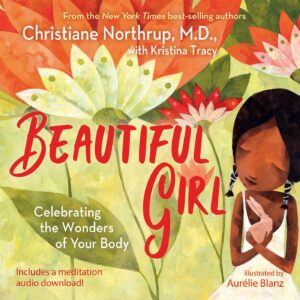
10. Beautiful Girl: Celebrating the Wonders of Your Body by Christiane Northrup, M.D. and Kristina Tracy, illustrated by Aurelie Blanz
- Target Audience: Picture book, ages 5 and up
- Core Synopsis: Serving as a gentle, age-appropriate precursor to more advanced anatomical discussions, this book utilizes inspirational metaphors to help young girls appreciate and understand their rapidly changing bodies, fostering a lifelong habit of body reverence.
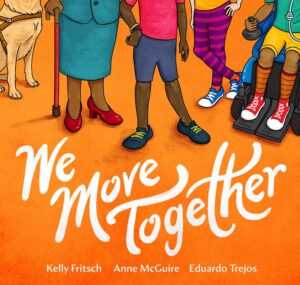
11. We Move Together by Kelly Fritsch and Anne McGuire, illustrated by Eduardo Trejos
- Target Audience: Picture book, ages 6 and up
- Core Synopsis: Grounded in the principles of disability justice, this picture book explores ableism and accessibility, illustrating how communities can unite to ensure no body is left behind.
- Guiding Principle: "All bodies are unique and essential. All bodies are whole… We are powerful not despite the complexities of our bodies, but because of them." (Drawing on wisdom from Aurora Levine Morales and Patty Berne).
12. All the Ways to Be Pretty by Shamila Khan, illustrated by Reyhana Ismail
- Target Audience: Picture book, ages 7 and up
- Core Synopsis: Written specifically to provide Muslim parents with a narrative framework for discussing beauty with their daughters, this book deliberately decouples beauty from physical attributes. Instead, Khan models inner virtues—such as intelligence, wisdom, bravery, piousness, resiliency, and kindness—as the true markers of a beautiful life.
13. Eyes that Kiss in the Corners by Joanna Ho, illustrated by Dung Ho
- Target Audience: Picture book, ages 4 and up
- Core Synopsis: A young Taiwanese girl realizes her eyes are shaped differently than those of her peers, who possess large, round eyes and long lashes. Observing her mother, grandmother, and little sister, she recognizes a shared lineage: eyes that "kiss in the corners," glow like warm tea, and hold generations of stories and future hope. Drawing strength from these familial matriarchs, she claims her own empowered path to self-love.
14. The Big Bath House by Kyo Maclear, illustrated by Gracey Zhang
- Target Audience: Picture book, ages 4 and up
- Core Synopsis: Following a joyful family visit to Baachan’s house, a group of cousins and aunties head to a traditional public bathhouse. After a thorough cleansing ritual, they immerse themselves in the steamy waters. The book culminates in a breathtaking celebration of female bodies across all life stages:
- Memorable Quote: "You’ll all dip your bodies / your newly sprouting, / gangly bodies, / your saggy, shapely / jiggly bodies, / your cozy, creased, / ancient bodies. / Beautiful bodies."
15. The Ouchiest Words by Debbie Min, illustrated by Putri Ayu Sekarmentari
- Target Audience: Picture book, ages 4 and up
- Core Synopsis: When a classmate named Zach targets Nari with anti-Asian bullying—including verbal taunts and pulling back his eyelids—Nari begins dreading school. Observing how another bullied student, Patty, maintains her composure inspires Nari to arm herself with positive self-talk and verbal boundaries. The book offers realistic coping mechanisms for targets of bullying while empowering bystanders to act as allies.
16. A Kids Book About Body Image by Rebecca Alexander
- Target Audience: Mostly non-illustrated picture book, ages 5 and up
- Core Synopsis: Co-authored for shared reading between adults and children, this frank and honest book is written by Rebecca Alexander (founder of AllGo, a platform rating public accessibility for plus-size individuals). Alexander openly discusses her own struggles with body image, fluctuating self-love, and the external pressures exerted by advertising and social media, championing a message of radical self-acceptance.
17. The Comeback: A Figure Skating Novel by E.L. Chen
- Target Audience: Middle grade novel, ages 8 and up
- Core Synopsis: Highlighted in reviews by Ms. Yingling Reads, this contemporary middle-grade novel tackles the complex cultural pressures experienced by students of color. Protagonist Maxine resorts to using adhesive to alter her eyelids in a bid to minimize critical remarks about her appearance. Through a narrative rich in figure skating details, academic struggles, and shifting peer dynamics, the story addresses microaggressions, institutional accountability, and the difficult, necessary journey toward self-reconciliation.
Official Statements & Expert Perspectives
The overarching consensus among child psychologists, educators, and children’s book creators is clear: preventative literacy is the most effective shield against body dissatisfaction.
- On Family Dialogue: Developmental experts emphasize that children absorb body language and casual remarks long before they comprehend formal concepts of diet culture. Books like Beautifully Me and A Kids Book About Body Image act as conversational catalysts, giving families the vocabulary to course-correct negative self-talk at home.
- On Inclusive Representation: Disability advocates and cultural critics stress that seeing diverse bodies—whether featuring mobility aids, distinct facial features, body hair, or varied physical sizes—normalizes human variance. As highlighted in We Move Together and Bodies Are Cool, true inclusion teaches children that bodily diversity is not an exception to be accommodated, but the fundamental reality of the human experience.
Future Outlook: The Path Forward for Body-Positive Publishing
As the children’s publishing industry continues to expand its horizons, the demand for nuanced, intersectional, and compassionate literature remains high. Authors and illustrators are increasingly moving beyond simple tolerance toward active body liberation and justice.
Future literary trends are expected to further integrate neurodiversity, chronic illness representation, and cross-cultural examinations of wellness. By putting these essential books into the hands of preschoolers, elementary students, and middle-grade readers, parents and educators are building a resilient foundation where every child can look in the mirror—or out at the world—and recognize that their body is functional, unique, and profoundly beautiful.





Comments
Facebook App ID not configured. Please add it in the Customizer.