
Executive Overview
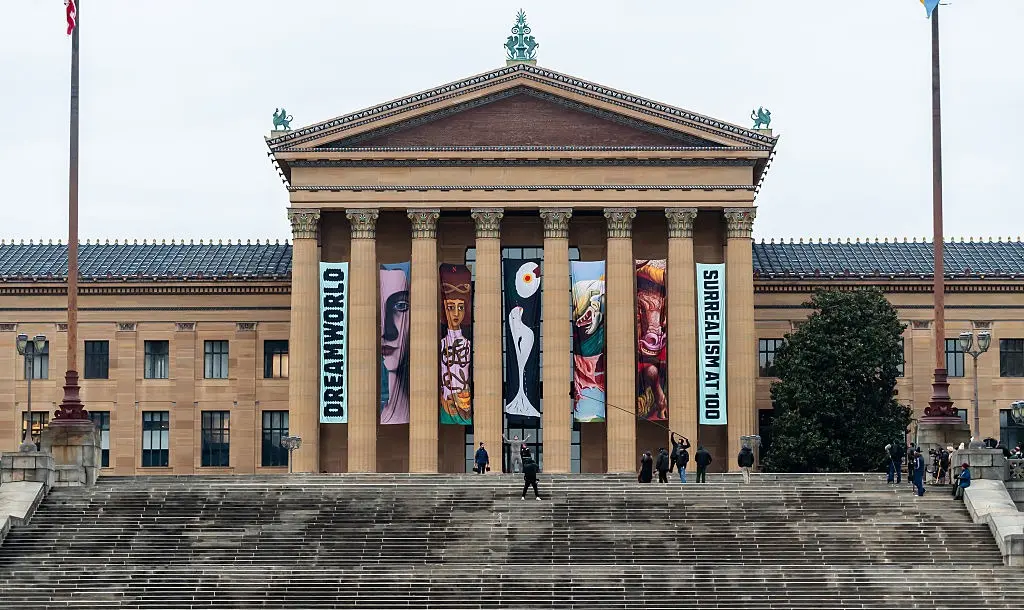
In a swift and definitive resolution to a high-profile white-collar crime case that shook the cultural sector in the commonwealth of Pennsylvania, a former high-ranking executive at the prestigious Philadelphia Museum of Art (PMA) entered a guilty plea on Friday. Latasha Harling, who previously served as the institution’s inaugural chief people and diversity officer, admitted to utilizing company-issued credit cards to finance approximately $30,000 in unauthorized personal purchases.
The guilty plea, entered before Common Pleas Court Judge Leon King II, averted what was anticipated to be a closely watched trial scheduled to commence that same morning. Harling, 44, accepted responsibility for a misdemeanor charge of receiving stolen property. In lieu of incarceration, Judge King sentenced her to five years of probation. Furthermore, the court mandated that Harling pay full restitution to the museum in the amount of $30,000, broken down into manageable monthly installments of at least $500, with payments scheduled to begin in January. As an incentive for compliance, the judicial order includes a provision allowing Harling to petition the court for early termination of her probationary period should she satisfy the full restitution amount ahead of schedule.
The case has drawn substantial scrutiny not merely due to the financial sum involved, but because of the seniority of the position Harling held. Tasked with championing institutional culture, human resources, and diversity, equity, and inclusion (DEI) initiatives, Harling occupied a vital leadership role within one of the nation’s premier art institutions. Her downfall underscores the vulnerabilities that can exist within corporate governance structures when high-level executives are granted financial discretion without commensurate, rigorous internal oversight.
Read Also
Detailed Chronology of the Embezzlement and Legal Proceedings
The unraveling of Latasha Harling’s tenure at the Philadelphia Museum of Art is a cautionary tale of institutional trust breached and subsequent accountability. To fully understand how a newly minted executive compromised her career and legal standing, one must trace the timeline from her auspicious appointment to her ultimate appearance in a Philadelphia courtroom.
November 2023: A Promising Appointment
Harling’s journey with the Philadelphia Museum of Art began in late autumn 2023. Brought on board as the institution’s inaugural chief people officer (a title that would later expand to encompass diversity initiatives), Harling was charged with leading the museum’s human resources division. Her portfolio was extensive, touching upon employee relations, talent acquisition, workplace culture, and organizational strategy.
Because of the sweeping administrative nature of her role, Harling was granted certain operational privileges, including access to corporate credit cards intended for business travel, client entertainment, departmental supplies, and institutional events. At the time of her hiring, museum leadership expressed high hopes for her capacity to modernize and support the museum’s workforce.
January 2025: Suspicion Arises
The first cracks in the professional façade appeared roughly fourteen months after Harling assumed her duties. According to an affidavit of probable cause filed in connection with her subsequent arrest, museum officials grew deeply suspicious of Harling’s financial activities in January 2025.
The red flags were raised when internal administrative staff noticed anomalies within the monthly credit card statements submitted by Harling. A cursory review revealed a pattern of significant, seemingly personal expenditures charged directly to the museum’s accounts—purchases that bore no relation to human resources operations, staff development, or museum administration.
Prompted by these irregularities, the institution’s chief financial officer (CFO) ordered a comprehensive internal forensic audit of all credit card usage tied to Harling since the inception of her employment. The findings of the audit were staggering: the review uncovered that Harling had allegedly charged a total of $58,885 in personal expenses to the corporate cards over her fourteen-month tenure.
Early 2025: Internal Resolution Attempts Fail
Rather than immediately involving local law enforcement, museum administrators initially attempted to resolve the matter through internal administrative channels. Confronted with the damning evidence compiled by the CFO, Harling was reportedly given the opportunity to make restitution by repaying $32,565 to the institution.
Faced with mounting pressure, Harling resigned from her position shortly after the discrepancies came to light, departing the museum while the credit card expenses remained entirely unaddressed and outstanding.
Determined to recover the misappropriated funds without immediately resorting to criminal charges, the museum entered into a civil agreement with its former executive. In February 2025, Harling signed a legally binding promissory note in which she formally agreed to repay $19,380 to the museum over a structured three-month period.
However, the agreement quickly collapsed. By April 2025, the museum had not received a single payment toward the promised restitution. With the promissory note breached and good faith exhausted, institutional leadership made the decision to escalate the matter, formally contacting the Philadelphia Police Department to launch a criminal investigation.
November 2025: The Guilty Plea and Sentencing
The criminal investigation culminated in formal charges against Harling. A trial was scheduled for Friday morning, drawing media interest from regional and national outlets. However, rather than proceeding to a courtroom battle, defense counsel and prosecutors reached a negotiated resolution.
Standing before Common Pleas Court Judge Leon King II, Harling pleaded guilty to receiving stolen property, a misdemeanor. Judge King handed down the sentence of five years of probation alongside the strict restitution order of $30,000, payable in installments of $500 per month starting this coming January. Should Harling manage her finances in such a way that the full sum is paid off prior to the expiration of her five-year term, she retains the legal right to request an early discharge from probation—a potential silver lining in an otherwise devastating chapter for the former executive.
Supporting Context & Financial Metrics
While the criminal case centered specifically on a $30,000 restitution figure—the amount codified in the final legal plea agreement—the broader financial picture revealed during the internal audit paints a much larger picture of corporate resource misuse.
- Total Audit Discrepancies: The comprehensive internal forensic audit conducted by the museum’s chief financial officer identified a cumulative total of $58,885 in unauthorized personal expenses charged to corporate accounts during Harling’s tenure.
- Initial Settlement Offer: Museum officials initially sought a repayment of $32,565 from Harling following the discovery of the misuse of funds.
- The Promissory Note: The civil agreement signed in February 2025 stipulated that Harling would repay $19,380 over a three-month installment window—an agreement that ultimately fell through when no funds were remitted by the April deadline.
- Final Court-Ordered Restitution: Under the terms of the criminal sentencing handed down by Judge Leon King II, Harling is legally obligated to pay $30,000 to the Philadelphia Museum of Art.
- Installment Parameters: Payments are set at a minimum of $500 per month, commencing in January.
- Probationary Term: The misdemeanor conviction carries a five-year probation period, with a clause permitting early termination upon full settlement of the restitution debt.
- Duration of Tenure: Harling was employed by the museum for approximately 14 months, beginning in November 2023 and ending with her resignation in early 2025.
These figures illustrate a significant financial breach within an institution that, like many non-profit cultural entities, operates on carefully balanced operational budgets. Non-profit governance experts note that even relatively modest sums like $30,000 can have an outsized impact on departmental programming, staff morale, and public trust.
Official Statements and Institutional Impact
The resolution of the legal proceedings has allowed the leadership of the Philadelphia Museum of Art to publicly close the book on an embarrassing and disruptive chapter. In a carefully worded official statement released shortly after Friday’s court proceedings, a museum spokesperson addressed the conclusion of the case:
"We are grateful that the case is resolved, and we look forward to returning our focus to the exhibitions, programs, and experiences we provide for our community."
This sentiment reflects a profound institutional desire to pivot away from administrative scandals and refocus public attention on the museum’s core mission. As one of the crown jewels of Philadelphia’s cultural landscape—housing hundreds of thousands of works spanning millennia—the museum relies heavily on public goodwill, donor confidence, and seamless daily operations.
Cultural sector analysts have observed that incidents involving executive malfeasance present unique PR challenges for non-profits. Unlike for-profit corporations, where financial improprieties are often viewed strictly through a legal or regulatory lens, non-profit museums depend intimately on the perceived ethical alignment of their leadership with the public good. The fact that Harling served as the chief people and diversity officer—a role explicitly designed to foster trust, equity, and ethical organizational health—made the breach of conduct particularly stinging for the museum’s rank-and-file employees.
Behind closed doors, staff members and union representatives have privately expressed relief that the legal process has concluded without a protracted, painful trial. However, the incident has also prompted broader internal discussions regarding expense reporting transparency, corporate credit card limits, and the frequency of internal auditing practices for executive-level staff.
Future Outlook and Governance Implications
As Latasha Harling prepares to begin her monthly restitution payments this coming January and navigates the terms of her five-year probation, the Philadelphia Museum of Art is looking toward the future. The institution has already begun the process of stabilizing its human resources and diversity leadership, ensuring that robust checks and balances are firmly in place.
The case serves as a stark reminder to non-profit boards and executive search committees across the cultural sector regarding the critical importance of rigorous vetting and continuous financial oversight. Key takeaways for museum governance moving forward include:
- Enhanced Credit Card Controls: Implementing stricter parameters on corporate credit card usage, including mandatory real-time digital receipt uploads, lower transaction thresholds, and multi-tier approval workflows for executive expenses.
- Proactive Auditing: Conducting unannounced, routine audits of departmental spending rather than relying solely on post-hoc discovery or whistle-blower alerts.
- Transparent Accountability: Strengthening protocols for handling internal financial discrepancies to ensure that civil promissory notes do not replace timely criminal reporting when institutional assets are compromised.
- Restoring Workplace Trust: Rebuilding employee confidence in human resources leadership following the departure of an inaugural chief people officer under criminal clouds.
For the Philadelphia Museum of Art, Friday’s legal outcome marks the definitive end of a difficult ordeal. With the judicial system having rendered its verdict and a structured repayment plan established, the institution can redirect its considerable energies toward what it does best: curating world-class exhibitions, fostering community engagement, and preserving artistic heritage for generations of visitors to come.



Comments
Facebook App ID not configured. Please add it in the Customizer.