
Executive Overview
MCH Group, the international live-marketing, exhibition, and trade-fair powerhouse best known as the parent company of the preeminent Art Basel franchise, has announced a robust financial performance for the first half of 2026. Demonstrating remarkable operational resilience against a backdrop of compounding geopolitical conflicts, regional trade wars, and a broader cooling of the ultra-high-end art market, the Swiss-headquartered enterprise reported a 12 percent year-on-year increase in operating revenue, reaching CHF 248.8 million ($301.6 million).
This milestone marks the fourth consecutive positive half-year result for MCH Group, signaling that strategic restructuring and geographic expansion initiatives implemented over the prior three years are yielding tangible dividends. Alongside the revenue climb, the company’s Earnings Before Interest, Taxes, Depreciation, and Amortization (EBITDA) surged to CHF 34.3 million ($41.6 million).
While the glittering global iterations of Art Basel—spanning Basel, Hong Kong, Miami Beach, and Paris—continue to serve as the crown jewels of MCH Group’s cultural portfolio, the corporation’s commercial success is anchored by a diverse ecosystem. Alongside world-class contemporary art fairs, MCH Group orchestrates massive trade and consumer exhibitions catering to foundational industries ranging from civil construction and gardening to fine watchmaking and jewelry.
Read Also
The financial success of the first half of 2026, however, was far from guaranteed. MCH Group’s leadership had to steer the multinational organization through a labyrinth of escalating geopolitical flashpoints. Most notably, the company faced the arduous task of launching Art Basel Qatar in Doha mere months after the region was rattled by Israeli airstrikes associated with the broader, protracted military engagements involving Israel, the United States, and Iran. Furthermore, international trade frictions severely impacted the cost of structural materials and booth construction, while the global art market continued to grapple with a cyclical slowdown following the frenetic, speculative highs of the early 2020s.
Despite these headwinds, strategic expansions—such as the debut in Doha and a newly announced acquisition of a 20 percent stake in Miami’s upcoming Jupiter Festival—have proven that MCH Group’s diversified portfolio and aggressive market adaptation can absorb profound external shocks. In the following sections, we examine the financial metrics, chronological milestones, executive perspectives, and strategic horizons defining MCH Group’s performance at the midpoint of 2026.
Detailed Chronology: The First Half of 2026 in Review
The trajectory of MCH Group’s first half of 2026 was defined by a high-stakes operational calendar that tested the company’s crisis-management capabilities, logistical prowess, and strategic adaptability.
February: The Debut of Art Basel Qatar
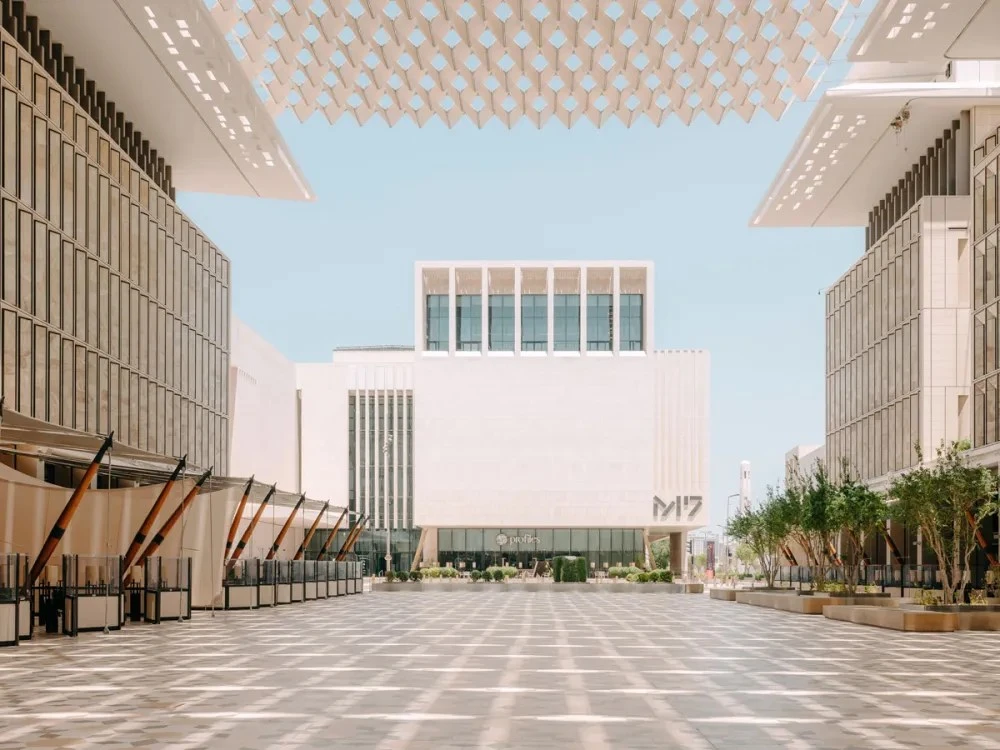
The year’s most anticipated and high-risk cultural rollout occurred in February with the inaugural edition of Art Basel Qatar in Doha. As the newest frontier for the world’s most powerful art fair franchise, the Doha edition was intentionally designed to be a boutique affair. Comprising just 87 elite international dealers, the fair was structurally far smaller and more intimate than its historic counterparts in Basel, Hong Kong, Miami Beach, and Paris.
Yet, the journey to the Doha exhibition center was fraught with unprecedented anxieties. Just five months prior, in September, Doha had been rattled by Israeli airstrikes, a stark manifestation of the widening regional conflagration involving Israel, the United States, and Iran. The threat of geopolitical instability cast a long shadow over planning sessions, insurance negotiations, and collector travel itineraries.
Nevertheless, MCH Group and its local partners soldiered forward. When the doors finally opened, dealers participating in Art Basel Qatar reported to ARTnews that the fair was a notable success, despite overall transaction speeds being somewhat measured and cautious. The presence of regional collectors alongside international patrons validated MCH Group’s thesis that the Gulf region represents a vital, untapped catchment area for ultra-high-net-worth art buyers.
March: The Spring Event Circuit and Regional Fallout
Following hard on the heels of the Doha launch, March brought a dual test of logistical endurance and market sentiment. In Asia, Art Basel Hong Kong delivered what the company formally termed a "successful edition." Blue-chip galleries found eager buyers for major, seven-figure masterpieces, reinforcing the enduring liquidity of the absolute top tier of the art market. Concurrently, however, several participating dealers noted that general sales were "slower than usual," reflecting a broader, macro-level cooling in mid-market primary sales.
At the same time, MCH Group’s broader live-marketing, exhibitions, and events (LMS) division was grappling with sudden and severe regional disruptions. The escalating violence across the Middle East began to exact a heavy toll on commercial operations. According to corporate disclosures, MCH Group’s business was "significantly impacted" as international clients abruptly cancelled all live corporate events beginning in early March.
As supply chains strained under the weight of concurrent trade wars—which artificially inflated the raw material and labor costs necessary for custom booth construction—MCH Group was forced to pivot rapidly. The company instituted rigorous cost-management controls while maintaining service delivery for its core industrial portfolio.
Spring to June: Industrial Anchors and Market Stabilization
While the art world focused on Doha and Hong Kong, MCH Group’s bread-and-butter industrial exhibitions quietly provided crucial financial ballast. The company successfully executed major heavy-industry and trade events for its LMS and Exhibitions & Events divisions, most notably CONEXPO and Swissbau. Both of these massive expositions focus on the global construction, architecture, and infrastructure sectors, generating predictable, high-volume revenue streams that insulated the parent company from the volatility of the discretionary art market.
As the second quarter progressed, the geopolitical landscape in the Middle East began a slow, fragile recovery. Corporate activities and live-event bookings in the region started a gradual normalization process, culminating in a fourth-quarter outlook that—while heavily localized—showed promising signs of renewed commercial vitality.
June 25: Securing the Future with Jupiter Festival
Squeaking in just under the wire before the close of the first-half reporting period, MCH Group made a strategic move signaling its long-term ambitions in the Americas. On June 25, the company announced a major investment: acquiring a 20 percent equity stake in a newly minted cultural venture, the Jupiter Festival. Slated for its inaugural edition in October in Miami, this festival represents a calculated effort by MCH Group to diversify its footprint in Florida beyond the monolithic presence of Art Basel Miami Beach, tapping into emerging festival formats that blend contemporary art, music, and immersive entertainment.
Supporting Context & Metrics: Financial Resilience Amid Macroeconomic Headwinds
To truly appreciate MCH Group’s 12 percent revenue increase to CHF 248.8 million ($301.6 million) and its EBITDA rise to CHF 34.3 million ($41.6 million), one must examine the hostile macroeconomic environment in which these results were forged.
+-----------------------------------------------------------------+
|               MCH GROUP H1 2026 FINANCIAL SNAPSHOT              |
+-----------------------------------------------------------------+
| Operating Revenue : CHF 248.8M ($301.6M)  [+12% YoY]            |
| EBITDA            : CHF  34.3M ($41.6M)   [Consecutive #4]      |
| Strategic Pillars : Art Basel (Global), LMS, Industrial Fairs   |
| Key Growth Driver : Art Basel Qatar (Doha), Industrial Expos    |
+-----------------------------------------------------------------+
Navigating the Art Market Correction
The art market of 2026 bears little resemblance to the hyper-inflated boom years of 2021 and 2022. Driven by persistent global inflation, high interest rates, and macroeconomic uncertainty, collectors and institutional buyers have adopted a markedly conservative posture. The frenzied, speculative bidding wars that once characterized primary-market gallery booths have largely subsided, replaced by deliberate, highly calculated acquisitions.
For MCH Group, a market-wide slowdown in art sales presents a direct challenge. Because a significant portion of fair revenues relies on gallery booth fees—which in turn depend on the galleries’ confidence in making sales—a sluggish market can trigger contraction. Yet, MCH Group’s diversified business model acted as a powerful shock absorber. While gallery sales experienced friction, the corporate exhibitions, construction trade shows (such as Swissbau and CONEXPO), and gardening expositions maintained steady cash flows.
Geopolitical Realities and Supply Chain Pressures
The company’s financial disclosures explicitly highlighted the friction caused by international conflicts. The Middle East crisis did not merely threaten the debut of Art Basel Qatar; it froze the broader live-event ecosystem in the region for the critical spring booking window. When clients canceled live events starting in March, MCH Group faced immediate revenue displacement.
Simultaneously, ongoing trade wars between major global economies exerted upward pressure on the logistical and material costs of staging large-scale physical events. Building custom exhibition pavilions, shipping multi-ton industrial machinery for CONEXPO, and transporting fragile, multi-million-dollar artworks across international borders became increasingly expensive endeavors. That MCH Group managed to expand its operating margins and deliver its fourth consecutive positive half-year result under these conditions speaks volumes about its stringent cost discipline and pricing power.
Official Statements: Leadership Perspectives on Strategic Execution
The leadership team at MCH Group has been remarkably candid about the challenges overcome during the first half of 2026, while expressing deep satisfaction with the strategic pivots that unlocked new avenues of growth.
In the official corporate announcement, Andrea Zappia, CEO and Chairman of MCH Group, captured the sentiment of the executive board:
"The first half of 2026 has shown that the steps we have taken are delivering results—with Art Basel Qatar, we have opened up a new growth region, while our business as a whole has once again demonstrated its strength and resilience."
Zappia’s emphasis on resilience is well-founded. By successfully establishing a beachhead in Doha despite geopolitical crosswinds, MCH Group has proven that the Art Basel brand possesses extraordinary gravity, capable of drawing collectors and blue-chip galleries to emerging cultural capitals.
Furthermore, corporate statements emphasized that the deliberate diversification of the company’s portfolio—balancing elite cultural fairs with heavy-duty industrial trade exhibitions—remains the bedrock of its financial stability. By refusing to rely solely on the capricious fortunes of the high-end art market, MCH Group has constructed a corporate fortress capable of weathering regional wars, trade disputes, and cyclical economic downturns.
Future Outlook: Strategic Horizons for MCH Group
As MCH Group looks beyond the midpoint of 2026 and into the future, the company’s strategic roadmap is defined by targeted expansion, digital integration, and portfolio optimization.
1. Consolidating the Middle Eastern and Asian Footprints
Following the stabilization of the Middle Eastern live-event market in the fourth quarter, MCH Group is poised to deepen its commitment to the Gulf region. While the initial focus in Doha has necessarily shifted toward cultivating local and regional audiences, the long-term vision for Art Basel Qatar is to cement its status as a permanent, indispensable bridge between Western collectors and the rapidly expanding cultural infrastructure of the Middle East. Concurrently, Art Basel Hong Kong will continue to serve as the undisputed anchor for the company’s operations in Asia, capitalizing on shifting wealth centers across Southeast Asia and the Pacific rim.
2. The Miami Expansion and the Jupiter Festival Venture
The acquisition of the 20 percent stake in the Jupiter Festival represents a fascinating evolution in MCH Group’s strategy. Scheduled for its debut in Miami this coming October, the festival model allows MCH Group to capture a younger, culturally adventurous demographic that intersects contemporary art with music, design, and interactive technology. By partnering on this venture, MCH Group diversifies its Miami footprint beyond Art Basel Miami Beach, creating a multi-season presence in one of America’s most dynamic art hubs.
3. Industrial Fairs as Financial Anchors
As global infrastructure investments shift and green-transition technologies reshape the construction and industrial sectors, MCH Group’s LMS and Exhibitions & Events divisions—anchored by stalwarts like Swissbau and CONEXPO—are projected to maintain robust performance metrics. These industrial expos provide a reliable hedge against potential future contractions in the discretionary luxury and art markets.
Conclusion
MCH Group’s performance in the first half of 2026 serves as a masterclass in corporate adaptability. By posting a 12 percent revenue increase to CHF 248.8 million ($301.6 million) and growing its EBITDA to CHF 34.3 million ($41.6 million) in the face of regional wars, trade protectionism, and art-market fatigue, the company has firmly established its operational fortitude. With new growth regions unlocked in Doha, strategic equity investments secured in Miami, and an industrial exhibition portfolio firing on all cylinders, MCH Group enters the second half of 2026 positioned not merely to survive global turbulence, but to actively shape the future of the international live-marketing and cultural economy.




Comments
Facebook App ID not configured. Please add it in the Customizer.