

Executive Overview
Amazon’s entry-level 6-inch e-reader lineup has undergone a strategic evolution, presenting consumers with a stark and fascinating hardware dichotomy. For the first time in its history, the foundational tier of the Kindle ecosystem is split into two distinct models: the standard, featherlight plastic Kindle (2026) and the luxurious, robust Kindle Aluminum.
While both variants share identical computational cores—including a crisp 6-inch, 300 PPI flush-front display, identical underlying software architectures, and comparable battery-per-charge endurance—their exterior philosophies, material engineering, and target audiences diverge completely. The plastic model champions ergonomics, everyday practicality, and budget-friendly accessibility, tipping the scales at a mere 140 grams. In contrast, the Kindle Aluminum leans heavily into a high-end luxury aesthetic, offering a rigid metal chassis, smudge-resistant matte finishes, integrated back magnets for snap-on folio accessories, an ad-free lock screen out of the box, and a spacious 32GB of internal storage.
Beyond materials and marketing, however, a much larger narrative looms over this hardware generation. Propelled by impending, stringent European Union battery regulations aimed at curbing electronic waste and enforcing consumer "Right to Repair" mandates, Amazon has fundamentally re-engineered how these devices are assembled. Moving decisively away from the notoriously glued-shut, disposable designs of previous generations, both the 2026 plastic and aluminum Kindles feature easily removable, user-replaceable batteries and modular back panels (EBR-compliant). This comprehensive shift marks a watershed moment for the e-reader industry, marrying premium and budget hardware choices with unprecedented internal accessibility.
Read Also
Detailed Chronology: The Evolution of Kindle’s 2026 Entry-Tier Strategy
To understand how Amazon arrived at this dual-track release strategy, one must examine the iterative timeline of e-reader design choices over the past decade. Historically, Amazon segmented its Kindle portfolio strictly by feature sets and pricing tiers: the baseline entry-level Kindle served as an ultra-affordable gateway, the Paperwhite occupied the mid-tier sweet spot with warm lighting and waterproofing, and the Oasis (and later the Scribe) catered to luxury seekers and note-takers.

By late 2025 and into 2026, market pressures and impending regulatory shifts forced a strategic pivot. The traditional glued-shut plastic entry-level model was facing mounting criticism from consumer advocacy groups and European lawmakers alike. At the same time, a vocal segment of the reading community expressed a willingness to pay a premium for a smaller, pocket-portable device built with high-grade materials, moving away from plastic without having to jump to the heavier, larger formats traditionally associated with luxury e-readers.
In response, Amazon conceptualized a two-pronged approach for its 6-inch lineup:
- Phase One (The Plastic Pillar): Refine the classic entry-level formula. Make it thinner, faster, and lighter, utilizing recycled plastics to maintain an ultra-accessible price point while upgrading the internal storage to 16GB.
- Phase Two (The Aluminum Pillar): Introduce a parallel luxury SKU—the Kindle Aluminum—aimed at power users and design purists who demanded a rigid metal build, expanded 32GB capacity, and the elimination of lock-screen advertisements by default.
- Phase Three (The Regulatory Compliance Shift): Integrate screw-secured or snap-release modular backplates across both versions to comply with the European Union’s rigid battery-accessibility directives, forever altering the teardown and maintenance landscape of modern e-readers.
Supporting Context & Metrics: Plastic Practicality vs. Metal Mastery
The Kindle (2026) Plastic Model: The Ergonomic Workhorse
In reviews across the consumer tech landscape, the standard plastic Kindle (2026) continues to earn high marks for its featherlight portability and pragmatic usability. Weighing in at just 140 grams, it represents the pinnacle of reading fatigue reduction; users can hold the device effortlessly in one hand for hours on end without experiencing wrist strain.
- Tactile Design: The textured, recycled plastic shell successfully mimics the warm, organic feel of a classic paperback.
- Durability Mechanics: While reviewers note that the plastic chassis is inherently more susceptible to minor hairline surface scratches than metal, it possesses a structural elasticity that works to its advantage. Under physical pressure or accidental drops, the plastic shell flexes, absorbing shock rather than transmitting it directly to the delicate internal e-paper screen substrate.
- Value Proposition: For readers who prioritize comfort, cost-efficiency, and unpretentious durability, the plastic model remains the definitive value choice. It delivers the exact same 300 PPI reading fidelity and software performance as its pricier counterpart at a fraction of the cost.
The Kindle Aluminum: The High-End Luxury Experience
Conversely, the Kindle Aluminum completely shifts the conversation toward a premium aesthetic and functional hardware upgrades.

- Chassis Engineering: The rigid, matte-finished metal chassis successfully eradicates body flex entirely, giving the device a dense, premium heft. Furthermore, the matte coating naturally resists oily fingerprint smudges, keeping the device looking pristine during prolonged reading sessions.
- Functional Enhancements: Beyond mere cosmetics
, the aluminum variant introduces thoughtful hardware additions. Built-in back magnets allow for seamless, secure snap-on folio covers without the need for bulky wrap-around plastic clips. Additionally, accessible external Torx and hex screws pave the way for straightforward structural maintenance.
- Storage and Extras: Equipped with 32GB of onboard storage—double that of the base plastic model—and shipped strictly without lock-screen ads, the Kindle Aluminum bridges the gap between pocket-sized convenience and flagship sophistication.
The Regulatory Catalyst: Dissecting the EU Battery Law and Repairability
The most profound storyline surrounding the 2026 Kindle generation is not aesthetic or cosmetic, but structural and legislative. E-reader manufacturers have historically lagged behind the smartphone and laptop industries regarding internal accessibility. For years, devices were sealed with industrial adhesives, making battery replacement virtually impossible for the average consumer and expensive even for authorized service centers.
Driven by upcoming European Union regulations targeting electronic waste and mandating user-serviceable power cells, Amazon has boldly altered its manufacturing blueprint. Both the standard plastic model and the upgraded aluminum variant are fully compliant with emerging EBR (E-Reader Battery) directives.
Disassembly and Battery Replacement Profiles
Accessing the internal components differs notably between the two models, dictated entirely by their exterior material composition:
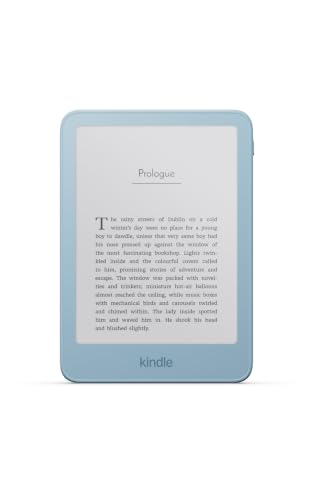
- The Plastic Kindle: Because plastic lacks the rigid tolerances and thread-holding capabilities required for micro-screws in an ultra-thin chassis, the plastic model relies on a snap-fit design. Users can easily pop off the back panel using nothing more than a fingernail, a guitar pick, or a plastic spudger. Once the rear cover is detached, replacing the battery requires simply unscrewing four small Phillips-head screws that anchor the power cell to the internal frame.
- The Kindle Aluminum: The metal variant requires a slightly more deliberate approach to maintain its structural rigidity. Technicians or end-users must first remove two tiny hex screws located securely along the bottom edge of the device. Once these fasteners are extracted, the aluminum backplate can be gently pried open using a fingernail or a plastic pick, granting immediate access to the internal battery bay.
This shift represents a monumental victory for the Right to Repair movement, proving that consumer electronics can remain razor-thin and water-resistant while still respecting the consumer’s right to maintain and service their hardware.
Future Outlook: What the 2026 Kindle Split Means for the Industry
The introduction of Amazon’s dual-track 6-inch Kindle strategy signals a broader maturation of the e-reader market. For over a decade, form factors were largely standardized: budget meant plastic, and premium meant larger screens, expensive metal frames, or specialized note-taking digitizers.
By proving that a compact, 6-inch device can command a luxury price tag simply through superior metallurgy, storage capacity, and design refinement, Amazon has opened a new front in mobile hardware competition. Competitors such as Kobo, Boox, and PocketBook will undoubtedly monitor consumer adoption rates closely. If the Kindle Aluminum proves successful, expect a wave of premium, pocket-sized metal e-readers to flood the global market.
At the same time, the regulatory compliance demonstrated by these devices sets a new global benchmark. As the European Union’s battery laws take full effect, electronics manufacturers can no longer rely on disposable design paradigms. The 2026 Kindle lineup demonstrates that compliance does not require sacrificing elegance; rather, it forces engineering innovation, resulting in devices that are simultaneously more luxurious and inherently more sustainable. Whether consumers choose the featherlight, economical plastic workhorse or the sophisticated, repairable aluminum flagship, the future of reading hardware is decisively modular, durable, and consumer-centric.





Comments
Facebook App ID not configured. Please add it in the Customizer.