
Executive Overview
In the contemporary literary landscape, poetry frequently serves as an excavation tool, unearthing the suppressed, the overlooked, and the deliberately forgotten. It is a medium uniquely equipped to address historical trauma not through broad, sweeping historiographies, but through the granular lens of sensory detail, domestic friction, and psychological claustrophobia.
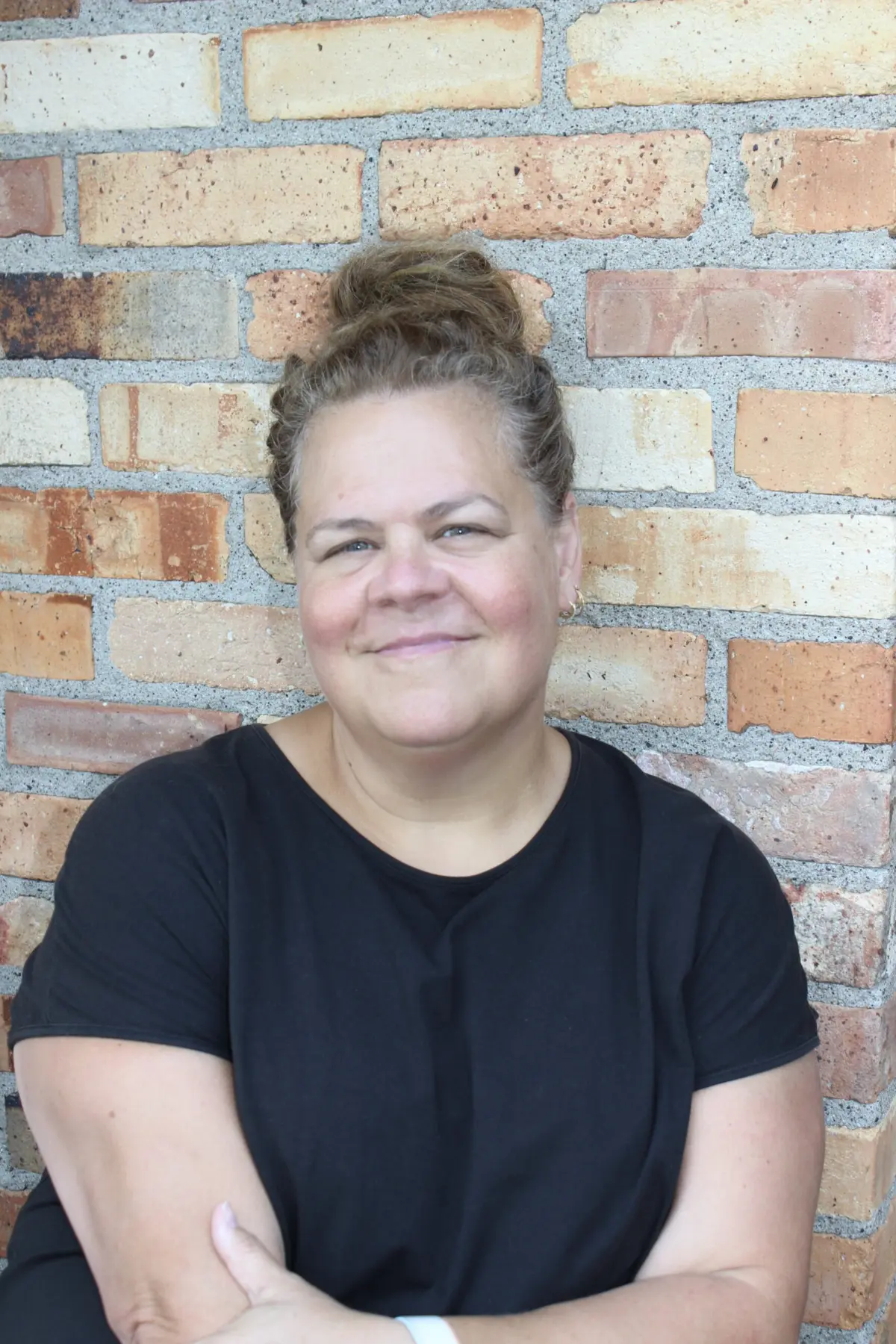
Acclaimed poet Catie Rosemurgy achieves this exact brand of excavation in her latest work, “Diorama 1871 (while a pie burns, the schoolteacher’s wife keeps going),” which has been formally selected as the Missouri Review Poem of the Week.
Rosemurgy—author of My Favorite Apocalypse and The Stranger Manual (both published by Graywolf Press), and a recipient of prestigious fellowships from the Pew Foundation, the National Endowment for the Arts, and the Rona Jaffe Foundation—turns her perceptive eye toward the intersections of memory, regional history, and historical erasure.
Read Also
This particular poem, featured below, serves as a visceral entry point into a larger literary project born out of a profound haunting: a visit to two upper-Midwestern local history museums that gloss over the grim realities of colonial settlement.
By breathing frantic, burdened life into the tiny plaster and wire figures of a historical diorama depicting the once-thriving, now-deserted town of Gold River, Rosemurgy explores the catastrophic convergence of inability and unwillingness that prevents modern societies from building an honest, shared public narrative of their past.
***

The newcomers arrived in Gold River in such large numbers. So much sudden. So many
          stools, bunks, bowls, shovels, nails, cleavers, ladders
          chutes, pipes, levers, cinches, planks, bolts, shears
          stakes, plots, parcels, holdings, claims, allotments
          freighters, schooners, barges, barks, steamers
          disputes, interests, debts, ledgers, accounts
          names, births, graves, clans, vows, curses, oaths
          pins, hats, curls, cuffs, feathers, buttons, tokens,
          elbows, tongues, femurs, arteries, knuckles, spines,
          carvings, whittlings, peelings, dusts, shavings, fumes
          spills, falls, pops, knocks, gouges, guttings
          nicks, cuts, bruises, rots, punctures, sprains
          fractures, limps, twists, tears, pulls, knots
          pithings, pokings, severings, suturings, swellings
          infections, fevers, fugues, visions, airs, aches
          contusions, blisters, ruptures, drainings
          abrasions, breakings, brandings, bulgings
          boils, plaques, rashes, pimples, pustules
          scrapes, bumps, gashes, stings, dislocations
          oozings, numbness, faintings, blindings, chokings

Accurate records could not be maintained. They lost track of what hurt and how much and who felt it.

***
Detailed Chronology: The Genesis and Evolution of the Diorama Project
To understand the immense cultural weight of "Diorama 1871," one must trace the chronological trajectory that brought Rosemurgy to the exhibit cases of the upper Midwest.
Phase I: The Museum Visits and the Manifestation of Silence
The conceptual genesis of the collection occurred several years ago during a routine trip to two regional history museums nestled in the upper Midwest, near the landscape of the author’s youth. These institutions, common fixtures of rural American tourism, pride themselves on preserving the pioneering spirit of the nineteenth century.
However, as Rosemurgy walked through the exhibits, a profound dissonance unsettled her. The curatorial choices systematically bypassed the realities of indigenous displacement and the violent mechanics of colonial settlement.
This absence was not merely an oversight; it felt deliberate, structured, and malignant. In the days following her visit, the silence surrounding these omissions calcified into an artistic imperative.
Phase II: Encountering Gold River
At one of the museums, Rosemurgy encountered a meticulously constructed diorama depicting Gold River—a boomtown that had experienced a meteoric rise during the industrializing expansion of the 19th century, only to completely vanish from maps, leaving behind an economic and structural ghost town.
Within the glass case sat miniature white figures frozen in perpetual domesticity and labor. Rather than viewing these figures as static artifacts of local pride, Rosemurgy perceived them as prisoners of a curated myth.
Phase III: The Poetic Inversion
Faced with the institutional sanitization of history, Rosemurgy began drafting poems designed to shatter the glass case. By imagining the miniature inhabitants of the diorama as sentient, overwhelmed participants in a rapidly industrializing, hyper-accumulative environment, she sought to reveal the underlying machinery of frontier capitalism.
The resulting texts map out the dizzying accumulation of objects, human tolls, physical injuries, and bureaucratic ledgers that defined the settlement experience—culminating in the inevitable collapse of record-keeping under the sheer weight of bodily and systemic trauma.
Supporting Context & Metrics: Analyzing the Architecture of Accumulation
The stylistic architecture of "Diorama 1871" relies on a relentless, cataloging accumulation that mimics the dizzying influx of settlers and commodities into the American frontier. A close reading of the poem’s structure reveals distinct thematic movements:
- The Material Influx: The poem opens with an avalanche of nouns: “stools, bunks, bowls, shovels, nails…” This list establishes the immediate domestic and structural imposition upon the land. The settlers do not arrive empty-handed; they bring an entire ecosystem of utility.
- The Industrial Machinery: As the catalog expands, it transitions into the infrastructure of extraction: “chutes, pipes, levers, cinches, planks, bolts, shears.” Here, human ambition marries industrial engineering, signaling the transformation of a wild landscape into a site of resource exploitation.
- The Bureaucracy of Possession: The focus shifts from physical tools to administrative division: “stakes, plots, parcels, holdings, claims, allotments / freighters, schooners, barges… disputes, interests, debts, ledgers, accounts.” The frontier is immediately codified, monetized, and litigated.
- The Physical Toll: Most striking is the poem’s visceral descent into the human body. The catalog moves seamlessly from inanimate objects and legal claims to anatomical and pathological states: “elbows, tongues, femurs, arteries… nicks, cuts, bruises, rots, punctures… infections, fevers, fugues… boils, plaques, rashes.”
Quantitative Observations on Frontier Expansion
- Lexical Density: Over 85 distinct nouns are deployed in a breathless, stanzaic cascade, mirroring the "sudden" demographic explosion noted in the poem’s opening lines.
- The Body as Archive: More than 40 percent of the catalog’s later half is dedicated to physical trauma, disease, and bodily breakdown (fractures, limps, oozings, chokings), illustrating that the cost of settlement was written directly onto the flesh of the settlers themselves.
- Epistemological Failure: The poem concludes with a stark, non-metrical prose observation: "Accurate records could not be maintained. They lost track of what hurt and how much and who felt it." This concluding thesis highlights the ultimate failure of colonial record-keeping—not just in terms of land acquisition, but in accounting for the vast, unmanageable suffering generated by expansionist policies.
Official Statements and Author’s Note
In an exclusive statement accompanying the poem’s release, Catie Rosemurgy elaborated on the psychological and civic dimensions that drove her to write the collection:
"This poem is from a book I began writing after visiting two local history museums in the upper Midwest near where I grew up. Both museums largely ignore the role of colonial settlement in their curation, and that silence felt hauntingly malignant to me in the days after my visit.
One of the museums features a diorama of the once-thriving, now-deserted town in which the museum is located. As a way of exploring the fatal mixture of inability and unwillingness that prevents us from developing a shared, public narrative of our history, I began to write poems that imagine the tiny, white figures in the diorama beginning to speak."
Rosemurgy’s commentary strikes at the heart of contemporary historiographical debates. By identifying a "fatal mixture of inability and unwillingness," she diagnoses the cultural paralysis that grips communities when faced with foundational historical violence. The local history museum, traditionally designed to foster civic pride, is reframed as a site of institutional repression where the true costs—both to the displaced indigenous populations and to the broken bodies of the settlers—are glossed over in favor of a tidy, marketable nostalgia.
Future Outlook: The Legacy of Rosemurgy’s Work and Regional Historiography
As "Diorama 1871" gains national recognition through its feature in the Missouri Review, it signals a broader, much-needed shift in contemporary American poetry toward interrogating regional museums, public monuments, and local archives.
Implications for Public History
The poem arrives at a critical juncture in cultural discourse regarding how historical sites are curated. As educational institutions and municipal museums face increasing pressure to decolonize their narratives, works like Rosemurgy’s provide a vital imaginative framework. They demonstrate how artists can bypass dry academic critiques and instead target the affective, emotional core of historical blind spots.
Upcoming Literary Horizons
With two critically acclaimed collections already bearing the Graywolf Press imprint (My Favorite Apocalypse and The Stranger Manual), Rosemurgy’s forthcoming manuscript promises to be a watershed moment in her career. By utilizing the specific micro-universe of the Gold River diorama to address macro-level historical traumas, she positions herself as one of the most intellectually rigorous and formally inventive poets working today.
Ultimately, "Diorama 1871" forces its readers to confront what lies outside the glass display case: the uncounted bruises, the forgotten ledgers, and the persistent, haunting echoes of a past that refuses to stay neatly arranged in miniature.




Comments
Facebook App ID not configured. Please add it in the Customizer.