
Executive Overview
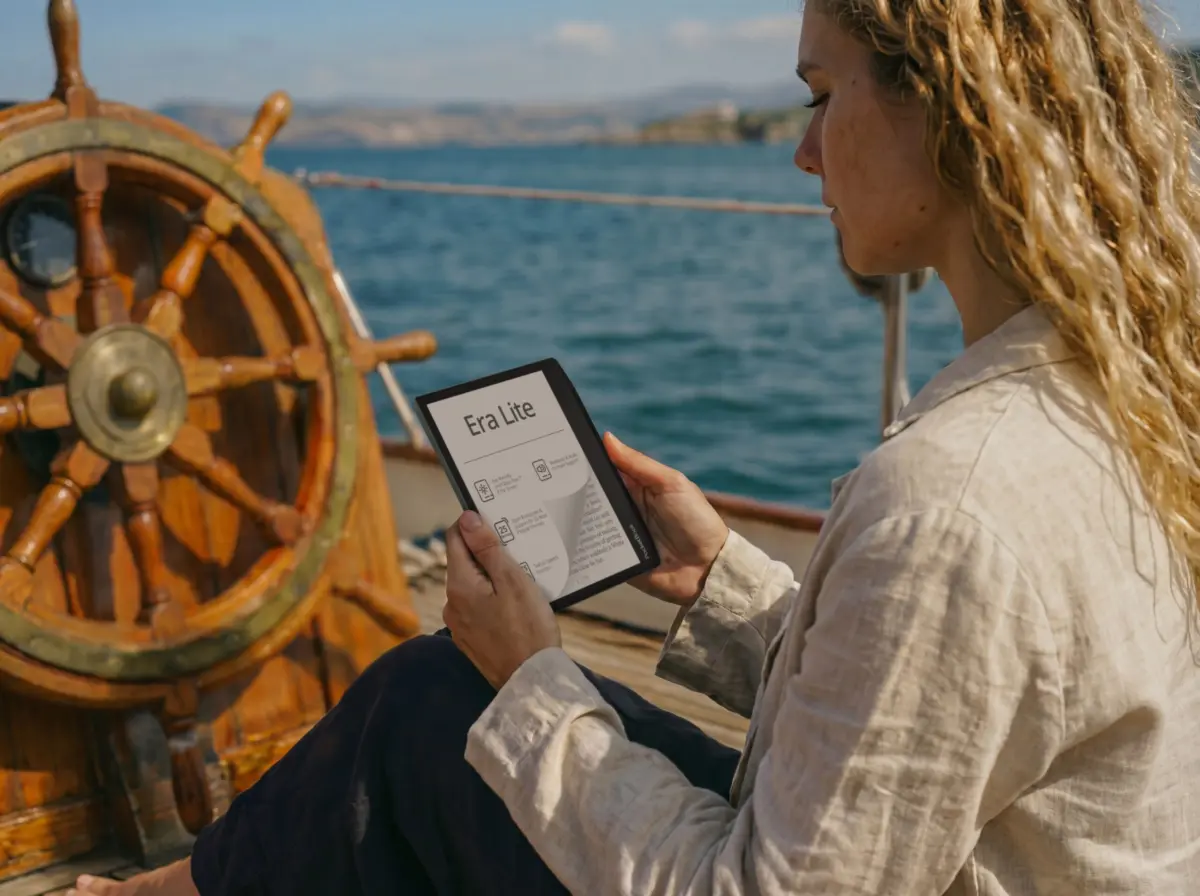
The digital reading revolution has fundamentally transformed how humanity consumes literature. With sleek, paper-like e-readers and high-resolution tablets tucked into pockets and bags, modern bibliophiles possess the unprecedented ability to carry entire municipal libraries wherever they go. The convenience is as intoxicating as it is seamless. A reader can finish a gripping thriller at midnight, bathed in the soft amber glow of a front-lit screen, and immediately purchase and download the sequel without ever leaving the comfort of their bed.
However, this frictionless convenience has introduced a silent, insidious financial drain. For many avid readers, monthly digital book expenditures have swelled to rival utility bills or grocery budgets. The architecture of modern digital storefronts—optimized for one-tap purchasing and instant gratification—creates a psychological disconnect at the point of sale. A single click bypasses the tactile friction of cash, making twenty- or thirty-dollar microtransactions feel weightless until the credit card statement arrives at the end of the month.
This investigative report examines the economics of digital reading in the mid-2020s, analyzing how readers can reconcile their passion for literature with long-term financial health. Through strategic audits, optimized public library utilization, subscription platform evaluation, and a look at independent author ecosystems, this piece provides a comprehensive roadmap for maintaining an endless literary appetite without draining personal savings.
Read Also
Detailed Chronology: The Evolution of Digital Friction and Consumer Spending
To understand how digital book spending reached its current apex, one must trace the technological and commercial shifts that defined the past two decades of e-reading.
Phase 1: The Novelty and Skepticism (Late 2000s – Early 2010s)
When dedicated e-ink devices first saturated the consumer electronics market, they were viewed primarily as hardware novelties for tech enthusiasts. Digital storefronts were rudimentary, and file formats often required manual conversion (such as moving EPUB files via desktop software). During this era, consumers maintained a high degree of awareness regarding digital purchases because the transaction process involved multiple steps, acting as a natural psychological barrier against impulse buying.
Phase 2: The Streamlining of Retail (Mid 2010s)
Major retailers quickly recognized that user friction was the primary bottleneck to digital sales. The introduction of 1-Click purchasing protocols, tightly integrated hardware ecosystems, and cloud-synced accounts eliminated every possible barrier between desire and acquisition. Books went from being deliberate, budgeted investments to impulse buys comparable to streaming video rentals or mobile application microtransactions.
Phase 3: The Subscription Boom and Algorithmic Merchandising (Late 2010s – 2020s)
As the market matured, subscription models (modeled after Netflix and Spotify) entered the literary space, offering "unlimited" reading for a flat monthly fee. Concurrently, data analytics and algorithmic recommendations began driving targeted marketing straight to e-reader lock screens and email inboxes. By the mid-2020s, digital bookstores had evolved into hyper-personalized, frictionless spending engines. Consumers found themselves subscribing to multiple platforms while simultaneously purchasing new releases outside of subscription walls, leading to unprecedented cumulative spending on digital text.
Supporting Context & Metrics: Auditing Your Digital Library Habits
The first critical step in mitigating digital reading inflation is conducting a rigorous, unsparing financial audit. Because digital microtransactions leave no physical paper trail—unlike stacks of physical books gathering dust on a living room shelf—readers chronically underestimate their annual output.
The Psychology of Invisible Spending
Behavioral economists have long noted that the pain of paying is deeply tied to the tangibility of the transaction. Handing over physical currency or swiping a credit card while looking at a register total triggers a neurological response associated with loss. In contrast, biometric authentication (such as a thumbprint or facial scan) combined with a pre-saved credit card on a digital storefront bypasses this pain point entirely.
To break this cycle, consumers must pull back the curtain on their spending habits:
- The Three-Month Lookback: Review bank and credit card statements for the past 90 to 180 days. Isolate every digital transaction tied to major e-book retailers, audiobook platforms, and independent publisher sites.
- The Tally Shock: Calculate the cumulative total. Many readers discover they are spending upwards of $100 to $200 monthly on digital literature alone—amounts that frequently trigger genuine surprise.
- Establishing a Digital Allowance: Transitioning from reactive spending to proactive budgeting requires utilizing digital tools. Many readers successfully leverage free zero-based budgeting applications to carve out a dedicated "Digital Literature" category.
By boxing in the hobby with a firm monthly cap, the psychological guilt of purchasing evaporates. When a reader knows their allowance is intact, every acquisition becomes an intentional, highly valued choice rather than a regretful impulse buy.
Strategic Resource Optimization: Beyond the Retail Storefront
Curbing digital expenses does not mean abandoning the joy of reading. Rather, it requires shifting acquisition pipelines toward public, open, and promotional ecosystems that have evolved dramatically to serve the modern reader.
1. Maximizing Modern Public Libraries
The modern public library bears little resemblance to the quiet, dusty archives of the past. Today’s municipal systems have invested heavily in robust digital wings, partnering with apps like Libby, OverDrive, and Hoopla to offer millions of e-books and audiobooks directly to personal devices.

- The Selection Parity: Digital library catalogs frequently mirror retail storefronts, housing current New York Times bestsellers, complex historical biographies, and niche genre fiction.
- Managing the Waitlist: The primary friction point of public library apps is the waitlist for high-demand releases. Savvy readers circumvent this by curating diverse, active wishlists and placing concurrent holds on multiple titles. As one book finishes, another automatically downloads, creating a seamless, rolling queue of free content.
- Non-Resident Programs: For readers living in rural areas with underfunded local systems, major metropolitan libraries (such as the New York Public Library or Brooklyn Public Library in past years, or regional urban hubs) often offer non-resident digital cards for a modest annual fee. This fee is routinely recouped within the purchase price of just two or three retail e-books.
2. The Power of Public Domain Archives
For those willing to explore foundational literary classics, the public domain offers an infinite, entirely free library. Works published prior to established copyright expiration thresholds are freely available across platforms like Project Gutenberg and Standard Ebooks.
Unlike raw text dumps, modern curated public domain archives utilize volunteer typography and coding experts to produce beautifully formatted, error-free EPUB files optimized for modern e-readers. Diving into these archives allows readers to explore centuries of philosophy, poetry, and foundational fiction without spending a single cent.
3. Independent Author Promotions and Deal Aggregators
Independent and self-published authors operate in a hyper-competitive market where discoverability is the primary hurdle. To build long-term readership, indie authors frequently utilize loss-leader strategies—offering the first installment of an expansive fantasy or sci-fi series completely free of charge.
By subscribing to daily curated book-deal newsletters and independent aggregators, readers can populate their e-readers with professionally edited, highly rated works for pennies or zero cost. This not only protects personal finances but introduces readers to bold, experimental voices operating outside traditional corporate publishing houses.
4. Family Sharing and Cross-Account Pooling
Major digital ecosystem operators (such as Amazon, Apple, and Google) provide family sharing architectures designed to link multiple user profiles under a single household umbrella.
- Cost Splitting: Partners, roommates, or siblings with matching literary tastes can pool their resources, purchasing new releases on a shared account or utilizing family library sharing protocols.
- Budget Halving: This collaborative approach effectively halves individual digital book budgets overnight while sparking engaging, real-time discussions about shared reading material.
Official Statements and Industry Insights
Industry analysts and consumer advocates have increasingly turned their attention to the structural shifts within the digital publishing economy.
Dr. Elena Vance, a digital media economist at the Consumer Culture Institute, notes that the transition to cloud-based media has fundamentally altered ownership perception:
"When consumers purchase a physical book, they own a tangible asset that holds resale, trade, and gifting value. When consumers purchase a digital license, they are essentially buying temporary access governed by corporate terms of service. Recognizing that digital items lack traditional asset longevity should naturally encourage consumers to rethink how much capital they allocate toward retail e-book purchases versus open-access public resources."
Furthermore, librarians across North America have reported surging demand for digital loans, putting unprecedented strain on municipal digital acquisition budgets. A recent statement from the Public Library Association highlighted this digital shift:
"Digital circulation numbers have completely eclipsed physical checkouts in many urban centers. While our mission remains rooted in universal access, the licensing models imposed by major publishers—where e-book licenses expire after a set number of checkouts—cost libraries significantly more than physical copies. Readers who utilize library apps are not only saving their own money; they are actively validating the vital public infrastructure of modern information access."
Future Outlook: Sustainable Reading in an Algorithmic Age
Looking toward the remainder of the decade, the economics of digital reading will continue to be shaped by subscription fatigue, algorithmic curation, and the rising tide of alternative content models.
As streaming services across music, television, and gaming face consumer backlash over perpetual price hikes and content fragmentation, digital book subscription platforms will likely face similar scrutiny. Readers are expected to adopt more fluid, tactical subscription habits—subscribing to a specialized platform for a single month to binge an author’s exclusive catalog, canceling immediately afterward, and rotating to a competitor the following month. This dynamic subscription management will replace passive, set-and-forget billing.
Ultimately, the core mission of reading remains unchanged: to escape reality, expand horizons, and immerse oneself in compelling narratives. The transformation of our financial habits does not diminish the magic of a great story. By replacing unmonitored impulse purchases with mindful audits, library utilization, and strategic community sharing, readers can cultivate vibrant, limitless digital libraries while ensuring their personal finances remain robust, resilient, and ready for the next great chapter.

Comments
Facebook App ID not configured. Please add it in the Customizer.